

Introduction to Blood Pressure Machines
High blood pressure, often called the “silent killer,” affects millions of people worldwide. It can damage the heart, brain, kidneys, and blood vessels without showing any obvious symptoms. Because of this hidden danger, monitoring blood pressure has become a crucial part of maintaining overall health. A blood pressure machine, also known as a blood pressure monitor or sphygmomanometer, is the simplest and most reliable tool to measure blood pressure levels at home or in a clinical setting.
In the past, blood pressure monitoring was only available at hospitals and clinics, where trained healthcare professionals used manual sphygmomanometers with stethoscopes. While accurate, these devices were not practical for everyday use by ordinary people. With advances in technology, digital blood pressure machines have now become common, affordable, and easy to use. Today, anyone can monitor their blood pressure at home, track readings over time, and share results with their doctor.
A home blood pressure monitor offers convenience and control. Instead of waiting weeks or months for a clinic appointment, users can check their blood pressure in just a few minutes. This is especially important for people with hypertension, diabetes, or cardiovascular risk factors. Regular home monitoring not only helps in early detection but also allows patients to understand how diet, exercise, stress, and medication affect their blood pressure.
There are two main types of digital blood pressure machines available today: upper arm monitors and wrist monitors. Upper arm models are generally considered more accurate, as recommended by healthcare professionals. Wrist blood pressure machines, on the other hand, are more compact and portable, making them a favorite for travelers or individuals who find arm cuffs uncomfortable. Both types provide reliable readings when used correctly, but choosing the right device depends on individual needs.
The importance of blood pressure monitoring is increasing as lifestyle-related conditions such as obesity, stress, and poor diet become more widespread. According to global health organizations, nearly one in three adults suffers from high blood pressure, and many are unaware of it. Early detection through a blood pressure machine can prevent serious complications such as stroke and heart attack.
When selecting the right blood pressure machine, factors such as accuracy, ease of use, memory storage, and cuff size should be considered. Modern devices often come with additional features like smartphone connectivity, irregular heartbeat detection, and large digital displays, making them user-friendly for all age groups.
In summary, the blood pressure monitor is no longer just a medical tool used in hospitals. It has become an essential part of everyday health management, empowering individuals to take charge of their cardiovascular health. Whether you are monitoring for prevention, treatment, or peace of mind, having a reliable digital blood pressure machine at home is a smart investment in long-term wellness.
Importance of Using a Blood Pressure Machine
Blood pressure is one of the most important indicators of overall health. High blood pressure, also called hypertension, is a condition that develops silently and often without noticeable symptoms. If left unchecked, it can lead to heart disease, stroke, kidney failure, and other life-threatening complications. This is why regular monitoring is essential, and having a blood pressure machine at home makes it possible to stay in control of your health.
Early Detection of Hypertension
One of the main reasons for using a blood pressure monitor is the early detection of hypertension. Many people may feel perfectly healthy while their blood pressure is dangerously high. By the time symptoms appear, significant damage may already be done to the arteries, heart, and kidneys. A digital blood pressure machine allows individuals to identify rising blood pressure trends before they become serious medical problems. Early detection means early treatment, which reduces the risk of long-term complications.
Monitoring Treatment Progress
For individuals already diagnosed with hypertension, a home blood pressure monitor is vital for tracking how well treatment is working. Doctors often recommend lifestyle changes such as diet improvements, weight loss, exercise, or medications. By taking daily or weekly readings, patients can see whether their efforts are paying off. If blood pressure remains high despite treatment, results from a home machine give doctors valuable insights for adjusting medications or treatment strategies.
Reducing White Coat Syndrome
Many people experience anxiety in a clinical setting, a phenomenon known as “white coat syndrome.” This can cause blood pressure readings at the doctor’s office to be higher than normal. In contrast, home readings with a digital blood pressure machine provide a more accurate reflection of a person’s everyday blood pressure levels, helping doctors make better treatment decisions.
Convenience and Accessibility
Regular clinic visits can be time-consuming and costly. A home blood pressure monitor allows individuals to check their readings anytime without leaving their house. This convenience is particularly important for elderly individuals, people with mobility issues, or those living in remote areas where healthcare facilities are not easily accessible.
Peace of Mind and Preventive Care
Another key benefit of owning a blood pressure machine is peace of mind. People with a family history of hypertension, diabetes, or heart disease can use the device for preventive care. Knowing your blood pressure levels are stable reduces stress and helps motivate healthier lifestyle choices.
Empowering Patients
Perhaps the most significant importance of using a blood pressure monitor is that it empowers individuals. Instead of relying solely on occasional doctor visits, people can take charge of their own health. Modern machines store past readings, allowing users to track progress over weeks or months and share results with healthcare providers. This creates a collaborative approach to health management, where patients and doctors work together for better outcomes.
In conclusion, the importance of a blood pressure machine cannot be overstated. It is a tool for early detection, accurate monitoring, convenience, and empowerment. In today’s world, where lifestyle diseases are increasingly common, owning a reliable home blood pressure monitor is one of the smartest investments for long-term health.
Top 3 Blood Pressure Machines – Reviews

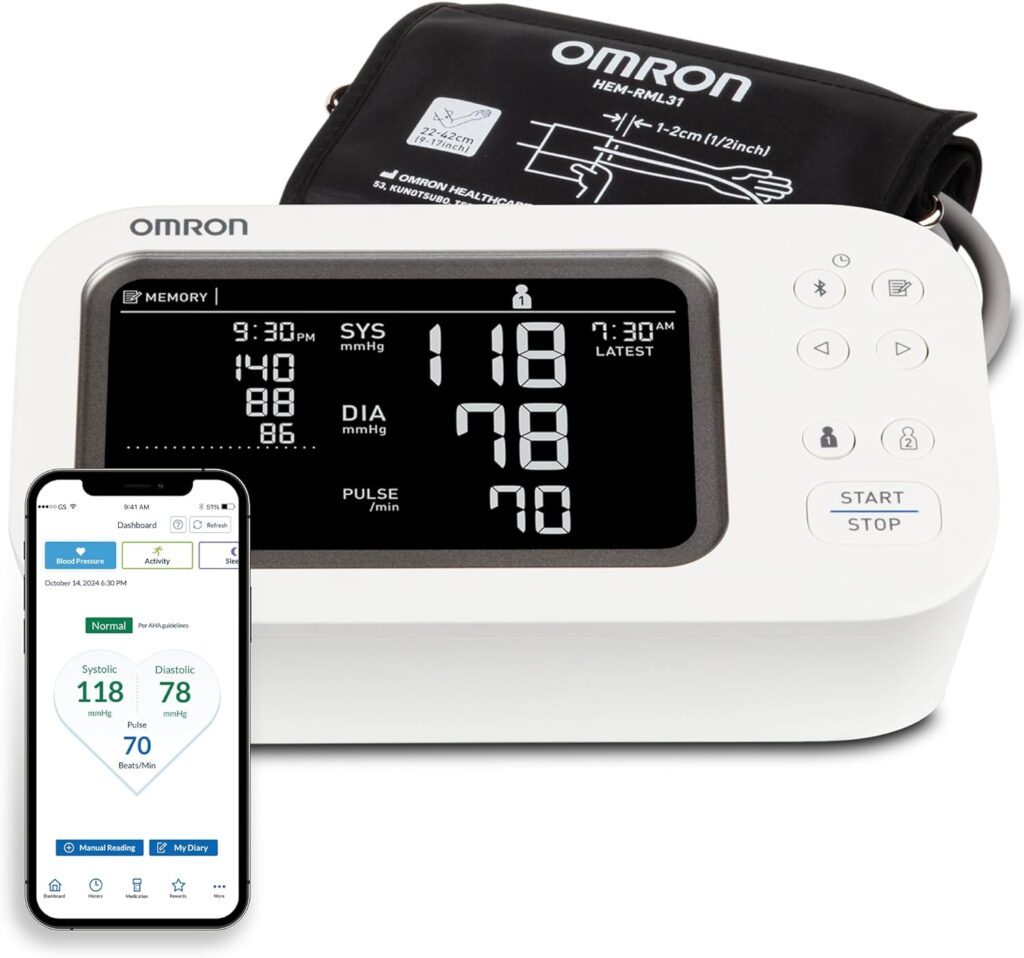
Omron Platinum BP5450 Upper Arm Blood Pressure Monitor
Description:
The Omron Platinum BP5450 is a clinically validated upper arm monitor designed for accuracy and ease of use. It features Bluetooth connectivity, allowing seamless synchronization with the Omron Connect app for tracking and sharing readings.
Pros:
-
Clinically validated for accuracy.
-
Dual-user mode with 200 memory storage.
-
Bluetooth connectivity for app integration.
-
Large, backlit display for easy reading.
Cons:
-
Higher price point compared to basic models.
-
Slightly bulkier design, less portable.

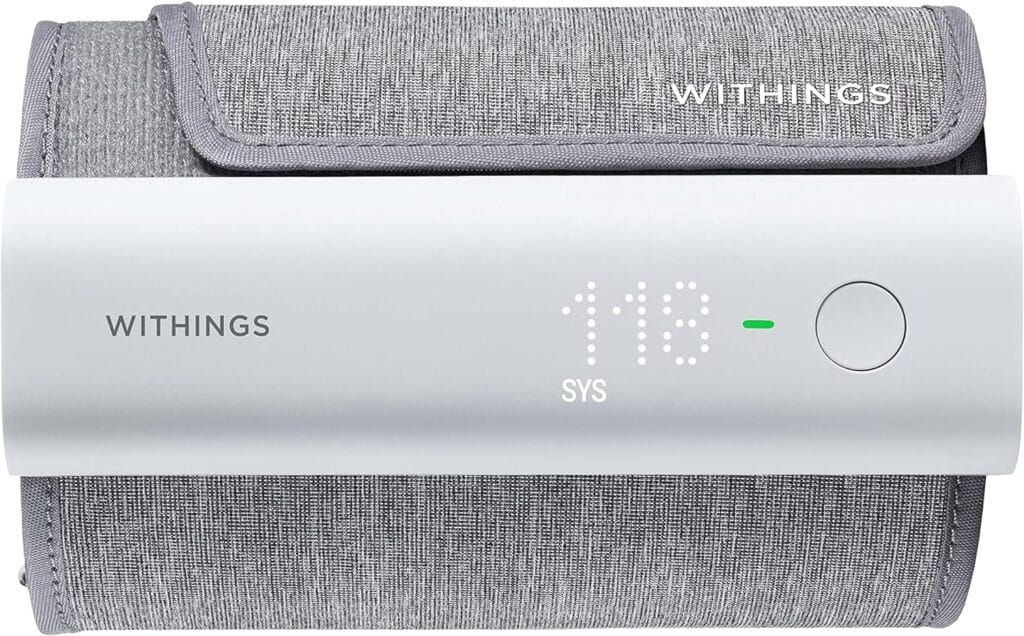
Withings BPM Connect Wireless Blood Pressure Monitor
Description:
The Withings BPM Connect is a compact and stylish blood pressure monitor that offers clinically accurate readings. It connects wirelessly to the Health Mate app, allowing users to track their measurements over time.
Pros:
-
Clinically validated for accuracy.
-
Wireless syncing with Health Mate app.
-
Compact and portable design.
-
Rechargeable battery with long life.
Cons:
-
Smaller display may be challenging for some users.
-
Requires smartphone for full functionality.

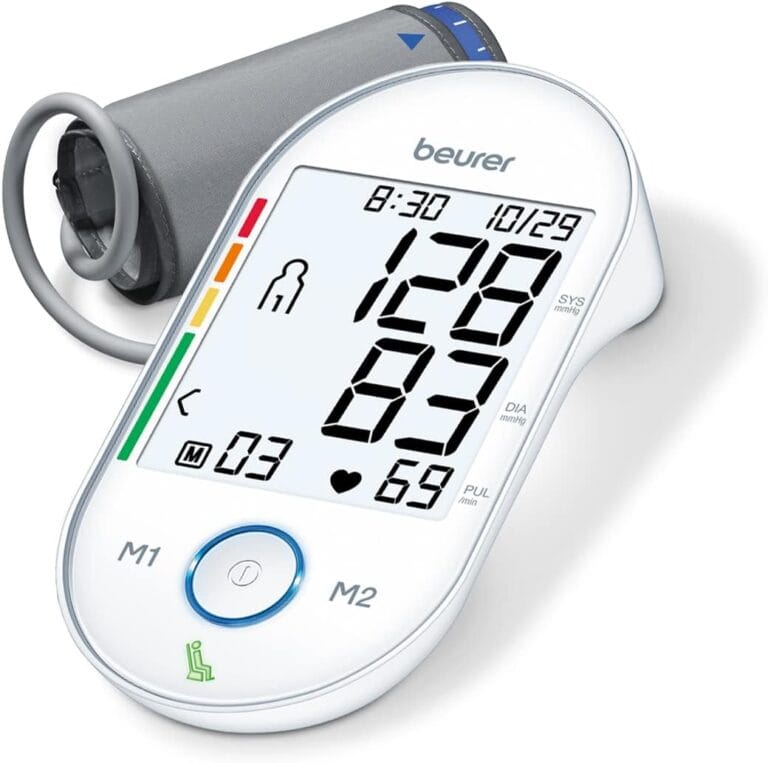
Beurer BM55 Upper Arm Blood Pressure Monitor
Description:
The Beurer BM55 is an upper arm blood pressure monitor known for its user-friendly features. It includes a large, backlit display and color-coded risk indicator, making it easy to interpret readings.
Pros:
-
Large, easy-to-read backlit display.
-
Color-coded risk indicator based on WHO guidelines.
-
Dual-user memory with 60 readings per user.
-
Affordable price point.
Cons:
-
Lacks Bluetooth connectivity for app integration.
-
No advanced features like irregular heartbeat detection.
Doctor & Book References for Blood Pressure Machines
When choosing the best blood pressure machine, it is important to rely on guidance from healthcare professionals and trusted medical resources. A device may look convenient or stylish, but accuracy and reliability are the most important factors. Doctors consistently emphasize the use of clinically validated blood pressure monitors that meet international standards. Books written by cardiologists and medical associations also provide valuable advice on how to measure blood pressure properly and why consistent monitoring is essential.
Doctor Recommendations
According to the American Heart Association (AHA), individuals who monitor blood pressure at home should use an upper arm digital blood pressure machine that has been clinically validated. Wrist monitors are convenient, but they are often more sensitive to body position, which can lead to inaccurate readings if not used correctly. Doctors stress that the cuff should fit properly around the upper arm to ensure reliability.
Dr. Michael Joseph Blaha, a cardiologist at Johns Hopkins, highlights the importance of home monitoring in detecting “masked hypertension,” where blood pressure may appear normal in the clinic but elevated in daily life. He recommends devices like the Omron and Withings models, which have been clinically tested and approved by organizations such as the FDA and European Society of Hypertension (ESH).
Dr. Sheldon Sheps from the Mayo Clinic also stresses that home monitors should be used consistently at the same time each day. He advises patients to sit comfortably, keep their arm at heart level, and take two to three readings to ensure accuracy.
Trusted Book References
-
“Mayo Clinic Healthy Heart for Life!”
This book emphasizes lifestyle changes for cardiovascular health and highlights the importance of home blood pressure monitors as part of preventive care. It explains that tracking blood pressure at home helps people take proactive steps in reducing their risk of stroke and heart attack. -
“The Hypertension Solution” by Dr. Stephen T. Sinatra
A comprehensive guide on controlling blood pressure naturally, this book also emphasizes the role of accurate home monitoring. Dr. Sinatra explains how regular readings empower patients to adjust lifestyle choices, including diet, exercise, and stress management. -
“Your Guide to Lowering Blood Pressure” by the National Heart, Lung, and Blood Institute (NHLBI)
This government-backed guide encourages the use of validated monitors and provides step-by-step instructions on correct usage. It highlights how consistency and proper technique are just as important as the choice of device.
Clinical Validation Standards
Doctors and medical books recommend buying only clinically validated blood pressure machines—devices that have been tested and approved by international protocols such as the AAMI (Association for the Advancement of Medical Instrumentation), BHS (British Hypertension Society), and ESH (European Society of Hypertension). These certifications guarantee accuracy and reliability, which are critical for health management.
Conclusion
Both doctors and authoritative medical books agree on one essential point: accuracy matters more than extra features. A doctor recommended blood pressure machine is always one that is clinically validated, easy to use, and reliable over time. By following professional advice and consulting trusted health resources, patients can confidently select the right home blood pressure monitor and take control of their cardiovascular health.
Benefits of a Blood Pressure Machine
A blood pressure machine is more than just a medical device—it is a powerful tool for preventive healthcare, early diagnosis, and long-term management of hypertension. Whether you are already living with high blood pressure or simply want to maintain a healthy lifestyle, having a home blood pressure monitor offers multiple advantages. From convenience to peace of mind, the benefits are significant and life-changing.
1. Early Detection of Hypertension
One of the biggest benefits of a blood pressure machine is its ability to detect hypertension early. High blood pressure is often symptomless, which is why it is called the “silent killer.” Regular use of a home BP monitor allows individuals to catch elevated readings before they lead to complications such as stroke, heart attack, or kidney disease. Early detection gives patients and doctors the opportunity to take preventive measures.
2. Accurate Monitoring at Home
A clinically validated home blood pressure machine provides accurate and consistent results, helping individuals monitor their health without frequent doctor visits. With features such as memory storage and digital displays, it becomes easier to track changes in blood pressure over days, weeks, or months. This helps identify patterns and triggers, such as stress, diet, or lack of sleep.
3. Convenience and Cost Savings
Owning a digital BP monitor saves time and money. Instead of scheduling repeated clinic appointments, you can check your blood pressure anytime at home. This is particularly helpful for seniors, people with mobility issues, or those who live far from healthcare facilities. Over time, the cost of a reliable monitor is far less than repeated doctor visits.
4. Reducing White Coat Syndrome
Many people experience higher blood pressure in medical environments due to anxiety—a condition called “white coat syndrome.” A home blood pressure monitor allows readings to be taken in a calm, familiar setting, providing a more accurate reflection of true blood pressure levels. This helps doctors make better treatment decisions based on reliable data.
5. Empowerment and Lifestyle Management
A home BP monitor empowers individuals to take control of their health. Patients can directly see how lifestyle changes—such as improved diet, weight loss, exercise, or reduced salt intake—impact their blood pressure. This creates motivation to stick to healthy habits and fosters a sense of responsibility for one’s health.
6. Sharing Data with Doctors
Modern digital blood pressure machines often come with Bluetooth or app connectivity, making it easy to share readings with healthcare professionals. Instead of relying on occasional clinic measurements, doctors can review a detailed history of blood pressure trends. This helps in tailoring medication and treatment plans more effectively.
Conclusion
The benefits of a blood pressure machine go far beyond simple measurement. From early detection and accurate home monitoring to convenience, empowerment, and better collaboration with healthcare providers, a home blood pressure monitor is an essential tool for modern health management. Investing in a reliable device not only safeguards your heart health but also offers peace of mind and long-term wellness.
How to Use a Blood Pressure Machine Correctly
Owning a blood pressure machine is only helpful if it is used correctly. Even the most accurate home blood pressure monitor can give misleading results if the technique is wrong. Doctors and medical organizations emphasize that consistency and proper method are just as important as the device itself. Here is a complete guide on how to use a blood pressure machine at home for reliable results.
Preparing for Measurement
-
Rest Before Measuring
Sit quietly for at least 5 minutes before taking a reading. Avoid caffeine, smoking, alcohol, or exercise for at least 30 minutes beforehand, as these can temporarily raise blood pressure. -
Choose the Right Environment
Take readings in a calm, quiet space. Avoid distractions like television or phone calls during measurement. -
Sit in the Proper Position
-
Sit on a chair with your feet flat on the floor (do not cross your legs).
-
Keep your back supported and your arm resting comfortably on a table at heart level.
-
Relax your body and breathe normally.
-
Using an Upper Arm Blood Pressure Machine
-
Place the Cuff Correctly
-
Wrap the cuff snugly around the upper arm, about 1 inch above the elbow crease.
-
Ensure the tubing runs down the center of your arm.
-
The cuff should not be too tight or too loose.
-
-
Start the Machine
-
Press the power/start button.
-
Remain still and silent while the cuff inflates and deflates.
-
-
Read the Display
The screen will show two main numbers:-
Systolic pressure (top number, pressure during heartbeat).
-
Diastolic pressure (bottom number, pressure between beats).
Many machines also display heart rate.
-
Using a Wrist Blood Pressure Machine
-
Position the Cuff
-
Place the cuff around your wrist, snug but not too tight.
-
Hold your wrist at heart level, supported by your other hand or resting on a cushion.
-
-
Start the Reading
-
Press the start button and remain completely still.
-
Avoid moving your wrist or hand until the reading is complete.
-
-
Check the Results
-
Like upper arm monitors, results will show systolic, diastolic, and pulse readings.
-
For best accuracy, take two or three readings and average them.
-
Tips for Accurate Blood Pressure Readings
-
Always measure blood pressure at the same time each day, preferably morning and evening.
-
Take at least two readings, one minute apart, and record the average.
-
Use the same arm consistently for measurements.
-
Keep a log or use the memory function on your digital BP monitor to track trends.
-
Consult your doctor if readings are consistently high (above 130/80 mmHg).
Conclusion
Learning how to use a blood pressure machine correctly is essential for obtaining accurate and reliable results. Proper preparation, correct cuff placement, and consistency in timing all play key roles. By following these steps, a home blood pressure monitor becomes a powerful tool for managing health, detecting problems early, and working effectively with healthcare providers.