


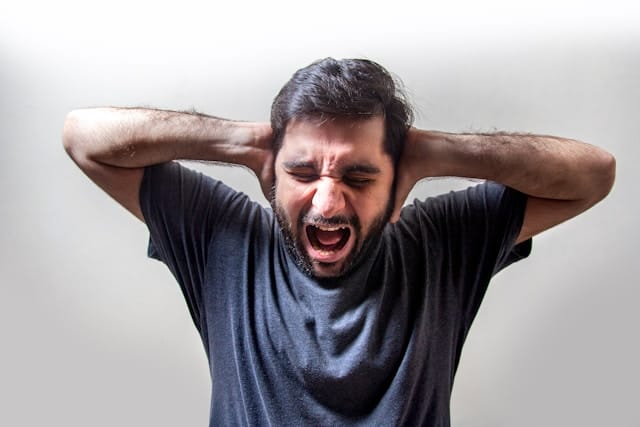
Anxiety coping strategies
Journaling, grounding techniques, increased physical activity, and meditation are some methods that can help reduce and manage anxiety symptoms.
Anxiety is a symptom of that stress response and happens to everyone at some point in life.
When the stress response is repeatedly activated, anxiety can sometimes shift from a temporary symptom to a chronic problem.
Anxiety disorder is a term for various mental health issues characterized by anxiety symptoms, though their nature and causes may differ.
Managing chronic or severe anxiety may require professional help, but learning some techniques on your own is very important.
Anxiety coping strategies
These techniques can be helpful when anxiety symptoms arise or even beforehand. They take some time to practice but can be powerful tools to control anxiety.
- Examine your thought patterns
Unnecessary negative thoughts can become ingrained and distort your understanding of situations. When anxiety increases, check your thoughts—what is true and what is just assumptions or emotional reactions. - Practice deep breathing
Deep breathing helps reduce feelings of anxiety. Inhale for 4 seconds, hold for 4 seconds, then exhale slowly for 4 seconds; practice for 5 minutes. The 4-7-8 breathing technique is also popular. - Use aromatherapy
Some studies show aromatherapy helps reduce anxiety. Natural scents like lavender, chamomile, and sandalwood promote mental calm. - Stay physically active
Exercise balances hormones, improves mood, and reduces anxiety. You can walk, do yoga, tai chi, or quick exercises like squats, push-ups, or jumping jacks. - Use grounding techniques
The 3-3-3 rule is a grounding method where you identify three things you see, three you hear, and three you feel. This keeps the mind in the present and reduces anxiety.
6 long-term anxiety control strategies
If anxiety disrupts your life, seek help from a mental health professional. They can identify root causes and help create a suitable plan.
- Identify and manage your anxiety triggers
Knowing which situations or causes increase your anxiety is important. - Learn about medications
Some medications may cause anxiety as a side effect; consult your doctor. - Meditate daily
Meditation trains the mind and helps reduce anxiety. - Keep a journal
Writing daily thoughts helps identify triggers and note effective coping strategies. - Increase social connections
Spending time with friends and family reduces stress and loneliness. - Maintain regular physical activity
Exercise helps reduce anxiety both immediately and in the long term.
Summary
Anxiety symptoms can complicate many areas of life. However, some effective strategies help reduce and manage these symptoms. Professional help should be sought if needed.