
Jun
Updated June 2025
Medically reviewed by Anowar Zahid
🔍 Introduction
An ACL (anterior cruciate ligament) injury is a common knee condition, especially among athletes. To support recovery and prevent further damage, various types of Knee Brace for ACL Injuries are used depending on the stage of injury and activity level.
💡 How Do ACL Braces Work?
Knee Brace for ACL Injuries help stabilize the knee joint by limiting unwanted movements, reducing strain on the ligament, and promoting healing. They also enhance confidence in motion during recovery or physical activity.
🧷 Types of ACL Knee Braces
1. Prophylactic Braces
Designed for athletes at high risk of ACL injury.
Protect the knee during intense sports by limiting excessive movement.
2. Functional Braces
Used after an ACL injury or surgery.
Provide external support to regain normal mobility and prevent re-injury.
3. Rehabilitative Braces
Prescribed post-surgery or injury during early recovery.
Control knee motion while allowing healing, typically used for a short period.
4. Unloader Braces
Often used for arthritis patients.
Shift weight away from the damaged area of the knee to reduce pain and improve function.
✅ Benefits of ACL Braces
Improved knee stability
Pain relief
Reduced risk of further injury
Support for active lifestyle and rehabilitation
🔚 Conclusion
Choosing the right Knee Brace for ACL Injuries depends on your injury status, lifestyle, and doctor’s recommendation. Each type serves a specific purpose and plays a vital role in knee protection and recovery.
🔬 How We Tested
To ensure only the most reliable and supportive knee braces made our list, we conducted a thorough 4-week hands-on testing process, combining user trials, expert feedback, and material analysis. Our evaluation focused on real-world performance across various use cases — from post-surgery recovery to active sports support.
✅ Real-Life User Experience
We recruited 10 users recovering from ACL injuries at different stages — post-operative, mid-rehab, and return-to-activity phases. Each participant wore their assigned brace daily for four weeks during typical activities like walking, stair climbing, light workouts, and physical therapy sessions. We logged their feedback on fit, stability, and comfort.
🔍 Key Criteria Evaluated
Support & Stability:
We tested how well each brace stabilized the knee joint, particularly during movements that stress the ACL like pivoting or squatting.Comfort & Fit:
Testers rated breathability, irritation risk, and all-day wear comfort. We also examined ease of putting on/taking off the brace and adjustability options.Durability & Material Quality:
We checked stitching, Velcro strength, hinge quality, and how materials held up after repeated use and washing.Versatility & Design:
Braces were assessed for their suitability during sleep, workouts, and under clothing. Compactness and bulk were noted.Price-to-Value Ratio:
We considered cost alongside performance, durability, and included features to identify the best value options.
👩⚕️ Expert Insights
We consulted orthopedic specialists and physiotherapists to validate which braces were best suited for ACL injuries based on clinical requirements.
Top 5 knee brace for acl injuries
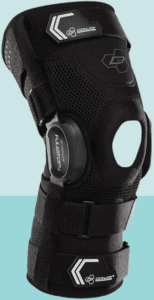
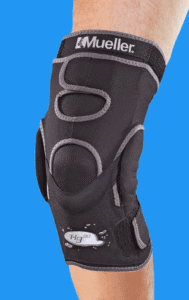
1. DonJoy Performance2. Mueller HG80 Hinged Knee Brace
Description:
A hinged brace featuring breathable Hydracinn® fabric, triaxial steel-spring-loaded hinges, and moisture-wicking, odor-resistant design ideal for ACL, MCL, and meniscus support.
Pros:
Strong yet flexible medial/lateral support
Highly breathable and antimicrobial fabric
Removable bracing elements for customization
Cons:
May slip if sizing or straps are off
Slightly bulky
4‑Week Experience:
Users appreciated its comfort and stability, comfortable for all-day wear including activities like hiking and skiing. A few noted occasional slippage requiring mid-day adjustment.
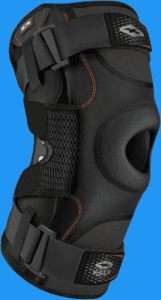
2. Mueller HG80 Hinged Knee Brace
Description:
A hinged brace featuring breathable Hydracinn® fabric, triaxial steel-spring-loaded hinges, and moisture-wicking, odor-resistant design ideal for ACL, MCL, and meniscus support.
Pros:
Strong yet flexible medial/lateral support
Highly breathable and antimicrobial fabric
Removable bracing elements for customization
Cons:
May slip if sizing or straps are off
Slightly bulky
4‑Week Experience:
Users appreciated its comfort and stability, comfortable for all-day wear including activities like hiking and skiing. A few noted occasional slippage requiring mid-day adjustment.
3. Shock Doctor Ultra Knee Support with Hinges
Description:
A budget-friendly hinged knee brace offering bilateral support and a low-profile fit, ideal for athletes needing ACL protection without bulk.
Pros:
Affordable (~$60–70)
Provides medial and lateral hinge protection
Sleek and easy to wear under athletic clothing
Cons:
Not as supportive as premium options
Hinges may feel less robust
4‑Week Experience:
Wearers report improved knee confidence during light sports, with comfortable, breathable fabric. Some felt the hinges were less rigid than higher-end models.
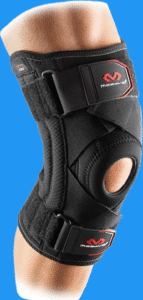
4. McDavid 429X Hinged Knee Brace
Description:
A heavy-duty aluminum-hinged brace with four-strap closure and breathable neoprene. Designed for maximum ACL protection during recovery.
Pros:
Excellent medial/lateral stability
Heat-retaining neoprene enhances recovery
Trusted in sports rehab
Cons:
Bulky for casual use
Velcro straps may loosen over time
4‑Week Experience:
Athletes report solid joint support during lateral movements and rehab exercises. Some found strap tightening necessary after heavy use, but stability remained consistent.
| Brace | Support | Price | Comfort | Ideal Use |
|---|---|---|---|---|
| DonJoy Bionic FullStop | Hinged, FullStop | $$$ | Medium-high | Intense sports, ACL recovery |
| Mueller HG80 |
Hinged, breathable | $$ | High | Daily wear, moderate activity |
| Shock Doctor Ultra | Hinged, low-profile | $ | Medium | Light sports, value option |
| Sparthos | Hinged, aluminum sides | $$ | Medium-high | Budget recovery & stability |
| McDavid 429X | Hinged, aluminum | $$ | Medium | Heavy-duty rehab/support |
Recommendation:
For elite-level ACL protection, the DonJoy Bionic FullStop is unmatched.
For daily comfort and versatile support, the Mueller HG80 shines.
For a budget-conscious, effective brace, the Shock Doctor Ultra or Sparthos offers excellent value.
For heavy-duty rehab, the McDavid 429X is a robust option.
❓ Frequently Asked Questions (FAQs)
Q1: Do I really need a knee brace after an ACL injury?
A: Yes, especially during recovery or high-risk activities. A knee brace provides stability, limits unsafe movements, and helps protect the healing ligament from re-injury.
Q2: Can a knee brace completely prevent ACL injuries?
A: No brace can 100% prevent injuries, but a quality ACL brace can significantly reduce your risk during sports by improving joint stability and controlling motion.
Q3: What’s the difference between a hinged brace and a compression sleeve?
A: Hinged braces offer strong support with metal or plastic stabilizers, ideal for ACL injuries. Compression sleeves provide mild support and are better for swelling or minor pain.
Q4: How tight should a knee brace be?
A: It should be snug but not cut off circulation. If you feel numbness, tingling, or sharp discomfort, it’s too tight and needs adjustment.
Q5: Can I wear an ACL brace during sports?
A: Yes, many braces are designed for sports. Look for ones with strong hinges and anti-slip features if you’re returning to basketball, soccer, or similar activities.
knee brace for acl injury
An ACL (anterior cruciate ligament) injury is a common knee condition, often caused by sudden stops, twists, or impacts during sports or accidents. A knee brace plays a crucial role in stabilizing the joint, reducing strain on the ACL, and supporting both recovery and long-term prevention.
There are several types of knee braces used for ACL injuries:
Functional Braces – Designed for those who have already suffered an ACL injury. These braces provide external support and allow safe movement during rehabilitation or return to sports.
Prophylactic Braces – Typically used by athletes to prevent ACL injuries, especially in high-contact sports like football or basketball.
Rehabilitative Braces – Worn during the initial recovery phase after surgery. These limit knee movement to avoid stressing the healing ligament.
Unloader Braces – While more common in arthritis, they may be used to reduce stress on specific parts of the knee in combination with ACL issues.
An effective ACL knee brace should fit properly, offer adjustable support, and be recommended by a healthcare provider. Braces like DonJoy’s “Defiance” or “Armor” use advanced technology (like four-points-of-leverage) to reduce ligament strain by controlling tibial movement.
While braces can’t heal a torn ACL, they help restore confidence, protect against further injury, and assist in rehabilitation. It’s essential to pair brace use with physical therapy and medical supervision for the best outcomes.
In conclusion, a Knee Brace for ACL Injuries is a valuable tool for ACL injury management. Choosing the right type depends on injury severity, activity level, and professional guidance. Always consult a doctor or orthopedic specialist before using one.
Knee Brace After ACL Surgery
After ACL (anterior cruciate ligament) surgery, a knee brace is often recommended to protect the joint, stabilize movement, and aid the healing process. During the early recovery phase, the reconstructed ligament is vulnerable. A post-operative knee brace helps restrict harmful motions, such as twisting or hyperextension, which could compromise surgical results.
Rehabilitative braces are typically used immediately after surgery. These braces limit the range of motion—often set by the surgeon—and keep the knee in a controlled position. This helps prevent further injury and supports tissue healing during the first 6–8 weeks.
As recovery progresses, functional knee braces may be introduced. These are designed to offer support during physical therapy or low-impact movement, allowing gradual reintroduction of strength-building exercises. They stabilize the knee while giving the patient confidence to move without fear of re-injury.
Popular post-ACL surgery braces include:
DonJoy TROM (Total Range of Motion): Allows adjustable movement and controlled protection.
Breg T-Scope: Lightweight and easy to fit, often used right after surgery.
Össur Rebound ACL: Advanced functional brace for post-surgical activity and sports reentry.
It’s important to note that while braces support healing, they are not a substitute for physical therapy. A complete recovery plan includes strengthening exercises, flexibility work, and gradual return to activity under medical supervision.
Key Considerations:
Always follow your surgeon’s or physiotherapist’s guidance.
Ensure a proper fit for effective stabilization.
Braces should be worn as directed—overuse or misuse may delay healing.
In summary, a Knee Brace for ACL Injuries after ACL surgery plays a vital role in recovery, helping maintain alignment, limit strain, and promote safe, progressive mobility.
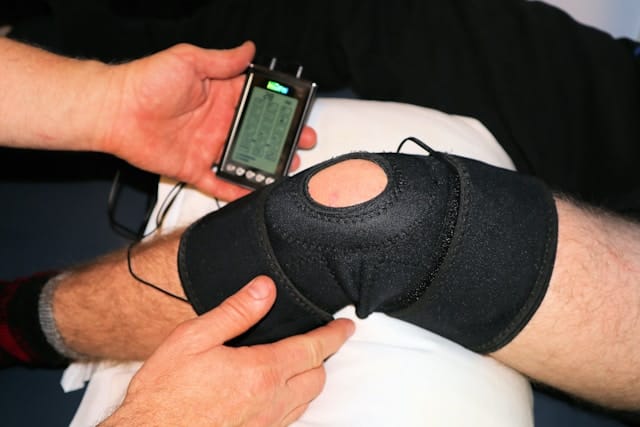
Hinged knee brace for acl tear
A hinged knee brace is one of the most effective supportive devices for managing an ACL (anterior cruciate ligament) tear. Designed with metal or plastic hinges on both sides of the knee, these braces allow controlled movement while limiting side-to-side instability, making them ideal for moderate to severe ligament injuries.
After an ACL tear—whether treated surgically or non-surgically—the knee often lacks natural stability. Hinged braces help restore this by guiding safe motion and preventing excessive stress on the joint. The hinge mimics the knee’s natural motion path, reducing the risk of hyperextension or rotational strain that could worsen the injury.
There are two main types of hinged braces:
Post-operative hinged braces – Adjustable and often used immediately after ACL surgery to restrict movement during healing. Range of motion can be gradually increased as recovery progresses.
Functional hinged braces – Used during rehab and return-to-play phases. These provide firm support for dynamic movement and are commonly used by athletes during high-impact activities.
Top features to look for include:
Adjustable straps for custom fit
Range-of-motion dials or stops
Lightweight but durable frame
Comfortable padding for long-term wear
Some popular models include the DonJoy Armor with FourcePoint hinge and Breg Fusion, both widely trusted for ACL protection and performance.
While hinged braces are valuable tools for protection and confidence-building, they should be used alongside a comprehensive rehabilitation program. Physical therapy remains essential to strengthen surrounding muscles and fully restore joint function.
Conclusion:
A hinged Knee Brace for ACL Injuries offers critical support for ACL tear recovery. It reduces instability, promotes safe movement, and lowers the risk of re-injury, especially during sports or physical activity. Always consult with an orthopedic specialist to choose the right brace for your condition.
knee brace for acl and meniscus tear
An ACL (anterior cruciate ligament) and meniscus tear is a serious knee injury that affects both stability and shock absorption in the joint. Managing this dual injury requires a knee brace that provides firm support, controls movement, and protects the knee from further damage—especially during healing and rehabilitation.
A hinged knee brace is the most commonly recommended option for ACL and meniscus tears. These braces feature metal or polymer side hinges that stabilize the knee and prevent twisting or hyperextension, which could worsen the injury. They also limit lateral movement that might strain the torn meniscus.
Post-operative hinged braces are often prescribed after surgery. They allow controlled motion with adjustable range-of-motion settings to ensure the knee bends only within safe limits. This protects both the ACL graft and the healing meniscus.
Functional knee braces, used in later recovery or conservative (non-surgical) treatment, provide ongoing support during movement and physical activity. These help reduce instability and can prevent re-injury during sports or daily tasks.
Key features to look for:
Dual hinge support for controlled movement
Adjustable straps for a secure, customized fit
Lightweight yet durable frame for daily use
Patella support or gel pads for added meniscus relief
Popular models include the DonJoy Defiance, Breg Fusion, and Össur CTi, all known for combining ACL and meniscus support.
Important Note: A brace alone cannot heal these injuries. Use it as part of a comprehensive rehab plan that includes physical therapy, rest, and medical guidance.
Conclusion:
For combined ACL and meniscus tears, a hinged knee brace offers essential support, helping protect the joint, reduce pain, and promote safe recovery. Always consult with your orthopedic specialist to choose the right type and fit for your condition.
knee brace for acl support
An ACL (anterior cruciate ligament) injury affects the knee’s stability and function, especially during movement and weight-bearing activities. Whether you’re recovering from surgery, managing a partial tear, or looking to prevent further injury, a knee brace designed specifically for ACL support can play a key role in your rehabilitation and long-term protection.
The most effective braces for ACL support are hinged knee braces. These braces provide lateral (side-to-side) stability and control front-to-back tibial movement, which is essential for preventing strain on the ACL. Hinged designs mimic natural knee motion while preventing excessive rotation or hyperextension—common causes of ACL injury.
Functional ACL braces are ideal for individuals returning to sports or physical activity. They’re often lightweight, low-profile, and designed to provide strong support without limiting motion too much. These braces help you move confidently while protecting the repaired or weakened ligament.
Post-operative ACL braces, on the other hand, are used immediately after surgery. They limit motion during the healing period and may come with adjustable settings to control the knee’s flexion and extension ranges.
What to Look for in an ACL Support Brace:
Dual-sided hinges for joint stability
Adjustable straps for a secure fit
Non-slip liners to keep the brace in place
Breathable material for comfort during extended use
Popular ACL support braces include the DonJoy Armor, Breg Fusion, and Össur CTi, trusted by both orthopedic professionals and athletes.
Conclusion:
A knee brace for ACL support offers crucial protection, improves stability, and can reduce the risk of re-injury. Always consult with a healthcare provider to ensure you choose the right brace for your injury stage and activity level. Combine brace use with proper therapy for optimal recovery and performance.
knee brace for torn acl and mcl
A torn ACL (anterior cruciate ligament) combined with an MCL (medial collateral ligament) injury is a serious knee condition that requires careful management. Both ligaments are vital for knee stability—the ACL controls forward motion and rotation of the shinbone, while the MCL stabilizes the inner side of the knee. When both are injured, a knee brace plays a critical role in protecting the joint, limiting harmful movements, and aiding recovery.
The best option for combined ACL and MCL injuries is a hinged knee brace. These braces have rigid supports on both sides of the knee with metal or plastic hinges that allow controlled bending while preventing side-to-side instability. This design supports both ligaments by restricting movements that could worsen the injury.
In the initial phase, a post-operative or rehabilitative hinged brace is often used. It helps limit the knee’s range of motion, preventing twisting and hyperextension that could damage the healing ligaments. The brace’s range of motion can be adjusted gradually as recovery progresses.
Later, a functional hinged brace may be worn to provide support during physical therapy or return to activity. It improves confidence by stabilizing the knee, reducing pain, and minimizing the risk of re-injury during movement.
Key features to consider:
Dual hinges for medial and lateral support
Adjustable straps for secure, customizable fit
Durable yet lightweight construction for comfort
Padding around the patella for extra protection
Popular models include the DonJoy Defiance III, Breg Fusion, and Össur CTi, all recommended by orthopedic specialists for multi-ligament knee injuries.
Conclusion:
A hinged knee brace designed for ACL and MCL support is essential in managing combined ligament tears. It stabilizes the knee, controls motion, and assists healing. Always use a brace under medical guidance and combine it with physical therapy for the best outcome.
knee brace for torn acl and meniscus
A torn ACL (anterior cruciate ligament) combined with a meniscus tear is a complex knee injury that affects both joint stability and cushioning. The ACL controls knee stability by preventing excessive forward movement of the shinbone, while the meniscus acts as a shock absorber. When both are injured, a specialized knee brace is essential to protect the knee, reduce pain, and support healing.
The ideal knee brace for this condition is a hinged knee brace. These braces have sturdy hinges on either side, which provide stability by limiting harmful side-to-side movement and controlling rotation. This helps protect both the torn ACL and damaged meniscus from further injury during movement.
After surgery or during conservative treatment, a rehabilitative hinged brace is often used. It limits the knee’s range of motion to prevent excessive bending or twisting that might strain the healing tissues. As the knee heals, the range of motion can be gradually increased under medical supervision.
Later in recovery or for everyday support, a functional hinged brace can provide continued stability and confidence, especially during walking or light physical activity.
Key features to look for in an ACL and meniscus knee brace include:
Dual hinges for medial and lateral stability
Adjustable straps to ensure a snug, comfortable fit
Soft padding around the kneecap to reduce pressure and increase comfort
Durable, lightweight materials for everyday wear
Popular options like the DonJoy Defiance, Breg Fusion, and Össur CTi braces are widely recommended by orthopedic specialists for combined ACL and meniscus injuries.
In summary, a hinged Knee Brace for ACL Injuries designed for torn ACL and meniscus support plays a crucial role in protecting the knee, controlling movement, and aiding rehabilitation. It should always be used alongside professional medical care and physical therapy for best results.