

Aug
As dog owners, we want nothing more than to see our pets happy, healthy, and full of energy. But when allergies appear, they can turn mealtimes into a stressful experience. Food allergies in dogs are more common than many realize, and they often lead to frustrating symptoms such as itchy skin, ear infections, digestive problems, or even chronic discomfort. For pet parents, the challenge is not only identifying what triggers these reactions but also choosing the best dry dog food for food allergies way to manage them through diet.
This is where dry dog food for food allergies becomes an invaluable solution. Unlike standard kibble that may contain multiple protein and grain sources, specialized allergy-friendly formulas are carefully designed to reduce the chances of triggering a reaction. They typically rely on limited ingredients, novel proteins, or hydrolyzed formulations that make it easier for sensitive dogs to digest and thrive.
The benefits go beyond allergy relief. Feeding your dog the right dry food can also lead to healthier skin, improved digestion, a shinier coat, and better overall energy levels. With the right choice, you can give your dog comfort and vitality while avoiding the trial-and-error stress that often comes with dietary changes.
In this guide, we’ll take a closer look at what food allergies really mean for dogs, why dry food is a practical option for managing them, and how to identify the best diet for your canine companion. By the end, you’ll have the knowledge and confidence to make well-informed decisions about your dog’s health, armed with expert-backed insights, product reviews, and veterinarian advice.
Understanding Dog Food Allergies
What Are Dog Food Allergies?
Food allergies in dogs occur when the immune system mistakenly identifies a harmless ingredient as a threat. Instead of processing the food normally, the body reacts defensively, producing symptoms ranging from mild irritation to severe discomfort. It’s important to distinguish between true allergies and food intolerances.
-
Food allergies involve an immune response and typically cause skin issues like itching, rashes, or ear infections.
-
Food intolerances, on the other hand, are usually digestive problems (gas, diarrhea, bloating) caused by an inability to properly process certain foods.
While they present differently, both conditions can make life difficult for dogs and owners alike.
Common Allergens in Dog Food
Research and veterinary case studies have shown that certain ingredients are more likely to trigger allergic responses in dogs. The most frequent culprits include:
-
Proteins: Chicken, beef, dairy, lamb.
-
Grains: Wheat, soy, corn.
-
Additives: Artificial colors, preservatives, and flavorings.
Interestingly, proteins are the leading cause of allergies in dogs, which is why many dry dog foods for food allergies replace common meats with alternatives like venison, duck, fish, or hydrolyzed protein sources.
Symptoms of Food Allergies in Dogs
Food allergies can manifest in ways that aren’t always obvious. Some of the most common signs include:
-
Persistent itching and scratching.
-
Red or inflamed skin.
-
Chronic ear infections.
-
Hair loss or patchy coat.
-
Gastrointestinal distress (vomiting, diarrhea, excessive gas).
-
Lethargy or changes in behavior.
Because these symptoms overlap with other conditions (like flea bites or seasonal allergies), it’s vital to seek veterinary advice before making major dietary changes.
How Veterinarians Diagnose Food Allergies
The gold standard for diagnosing food allergies is the elimination diet. This process involves feeding your dog a strict, simplified diet — often a prescription hypoallergenic dry food — for several weeks. During this time, all other foods and treats are eliminated to identify whether symptoms improve. Afterward, ingredients are reintroduced one at a time to pinpoint the allergen.
Veterinarians may also recommend blood or skin tests, but these are not always as reliable as diet-based trials. Regardless, having a vet involved in the process ensures that your dog receives the right nutrition while avoiding unnecessary discomfort.
Why Food Allergies Are Becoming More Common
Some experts believe that the rise in food allergies is linked to overexposure to certain proteins like chicken or beef, which are present in the majority of commercial dog foods. Others suggest that low-quality fillers, artificial additives, and over-processing of kibble play a role in irritating a dog’s immune system. Whatever the root cause, awareness is growing, and more brands now offer carefully formulated dry dog food to meet the needs of sensitive pets.
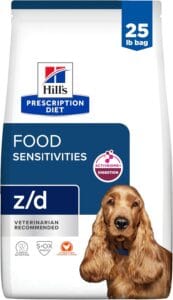
Hill’s Prescription Diet z/d Skin/Food Sensitivities Dry Dog Food
Description:
Hill’s z/d is a veterinarian-formulated, hydrolyzed-protein diet designed to manage severe food sensitivities. The protein source is broken down to reduce immune detection, and the formula is enriched with Omega-3 & 6 fatty acids to support skin health, plus ActivBiome+ prebiotics to enhance digestion Amazon+1.
Pros:
-
Clinically proven to soothe skin issues and firm stools in under 30 days Amazon+1
-
Designed for sensitive dogs; highly digestible with no intact animal proteins
-
Includes prebiotics and essential fatty acids for overall wellness
Cons:
-
Requires veterinary prescription
-
Premium price point compared to standard kibble
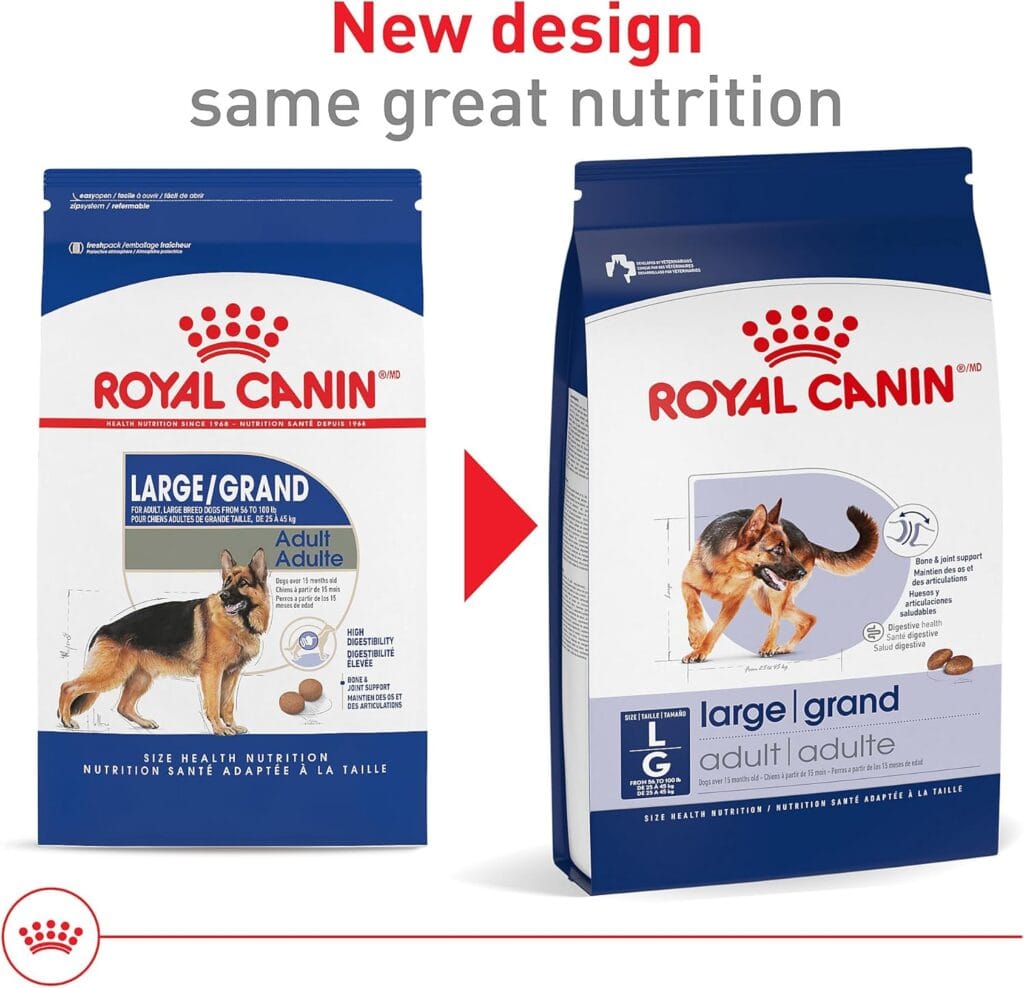
Royal Canin Veterinary Diet Hydrolyzed Protein HP Dry Dog Food
Description:
Royal Canin HP is a prescription-only dry food featuring hydrolyzed soy protein and a targeted blend of nutrients to reinforce the skin barrier and ease digestion. Highly palatable and formulated for long-term use in dogs suffering from allergies
Pros:
-
Hydrolyzed protein minimizes allergic reactions
-
Supports skin and digestion with fiber blends and omega fatty acids
-
Strict production standards reduce risk of ingredient cross-contamination
Cons:
-
Requires prescription approval
-
Some users note packaging can be inconvenient or the odor off-putting
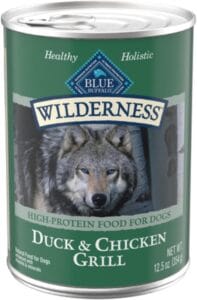
Blue Buffalo Basics Limited Ingredient Grain-Free (Salmon & Potato)
Description:
Blue Buffalo Basics offers a clean, single-animal-protein formula coupled with a single carb (potato) to control potential allergens. Grain-free and free from dairy, soy, and corn, this is an excellent OTC option for dogs with milder food sensitivities
Pros:
-
Simplified ingredient list helps isolate allergens
-
Budget-friendly and widely accessible
-
Includes antioxidants and omega fatty acids for wellness
Cons:
-
May not resolve symptoms in highly sensitive dogs
-
Grain-free recipes may require vet approval depending on the dog’s health
Buy on Amazon:
Why Choose Dry Dog Food for Allergies?
When it comes to managing canine allergies, pet parents are often faced with a choice between different diet forms: wet, raw, homemade, or dry. Each has its own advantages, but dry food stands out as one of the most practical and effective solutions for managing food allergies. Here’s why:
Convenience for Owners
Dry dog food is easy to measure, store, and feed. Unlike raw or homemade diets, it doesn’t require refrigeration or cooking, which makes it especially practical for busy households. This convenience ensures that pet owners can consistently follow the strict dietary guidelines necessary for managing allergies without cutting corners.
Variety of Specialized Formulas
There is a wide range of dry dog foods for food allergies available on the market today, from prescription-only veterinary diets to over-the-counter limited ingredient and grain-free formulas. This variety allows pet owners to select a food tailored to their dog’s specific sensitivities, whether it’s avoiding chicken, replacing common grains, or relying on hydrolyzed proteins.
Precision in Portion Control
Allergy management often requires strict portioning to avoid overfeeding and stressing the digestive system. With kibble, it’s easier to measure exact amounts, making it simple to monitor calorie intake and maintain a healthy weight. This is especially important because overweight dogs often experience worse inflammation and skin problems when dealing with allergies.
Balanced Nutrition in Each Bite
Specialized dry food formulas are designed to provide complete and balanced nutrition. Each piece of kibble contains carefully measured proteins, carbohydrates, vitamins, and minerals. For allergic dogs, these diets are formulated to deliver all the essential nutrients while minimizing exposure to problematic ingredients.
Cost-Effectiveness
Compared to fresh or wet hypoallergenic diets, dry food is often more affordable. While premium allergy-friendly dry foods can be pricey, they generally cost less than prescription canned diets or raw diets prepared at home. This makes them accessible for long-term feeding, which is essential since managing food allergies is a lifelong commitment rather than a short-term fix.
Long Shelf Life and Safety
Dry dog food can be stored for months without spoiling, making it more practical than raw or fresh diets that spoil quickly. This shelf stability not only reduces waste but also gives owners confidence that they always have safe food on hand for their sensitive pet.
In short, dry dog food for food allergies combines convenience, variety, safety, and balanced nutrition — all crucial factors for pet owners who want to manage their dog’s allergies effectively without constant stress.
Types of Dry Dog Food for Food Allergies
Not all dry foods are created equal, and understanding the different types available is key to choosing the right formula for your dog. Veterinarians often recommend specific categories depending on the severity of symptoms and the suspected allergens.
Limited Ingredient Diets (LID)
These formulas contain fewer ingredients, typically focusing on a single source of protein and a single source of carbohydrate. By simplifying the recipe, it’s easier to isolate which ingredient might be causing the allergic reaction. For example, instead of chicken and rice with added fillers, a limited ingredient diet might contain only salmon and sweet potatoes.
Novel Protein Diets
A novel protein is one your dog has not been exposed to before. Since food allergies typically develop after repeated exposure to the same protein (like chicken or beef), switching to a less common protein source can reduce allergic reactions. Novel proteins often used in dry dog food include venison, duck, kangaroo, rabbit, or fish.
Grain-Free Formulas
While not every dog is allergic to grains, some do experience sensitivities to common grains like wheat, corn, or soy. Grain-free dry foods replace these ingredients with alternatives such as peas, lentils, or sweet potatoes. These can be helpful for dogs with grain-related digestive issues or skin reactions. However, grain-free diets should be chosen carefully, as not all are nutritionally complete without proper supplementation.
Hydrolyzed Protein Diets
Hydrolyzed proteins are proteins broken down into smaller components (amino acids) that the immune system is less likely to recognize as allergens. These diets are often prescription-based and used for dogs with severe allergies or those who don’t respond to standard limited ingredient or novel protein diets. Popular veterinary brands like Hill’s Prescription Diet and Royal Canin offer hydrolyzed protein kibble specifically designed for dogs with chronic allergies.
Prescription vs. Over-the-Counter Options
Some dry foods for allergies are available only through veterinary prescription, especially hydrolyzed protein formulas. Others, such as limited ingredient or grain-free kibbles, can be purchased directly from pet stores or online. The choice depends on the severity of the allergy and the recommendations from your veterinarian.
Combination Approaches
Some modern formulas combine elements from multiple categories — for example, a grain-free limited ingredient diet featuring a novel protein like venison. These hybrid options can provide targeted solutions for dogs with multiple sensitivities.
Key Ingredients to Look For in the Best Dry Dog Food for Food Allergies
When shopping for the best dry dog food for food allergies, the ingredient list is the most important detail to examine. Dogs with allergies need clean, simple, and nutrient-rich foods that avoid common triggers while still providing complete and balanced nutrition. Here are the key components to look for:
Single-Source Proteins
The foundation of any allergy-friendly formula is a carefully chosen protein. Since proteins are the leading cause of food allergies in dogs, high-quality limited options are crucial. Instead of chicken or beef, the best dry dog food for food allergies often uses novel proteins such as duck, venison, salmon, rabbit, or lamb. These proteins are less likely to trigger reactions because they are less commonly found in standard commercial foods.
Alternative Carbohydrates
Grains like wheat, corn, and soy are common allergens for some dogs. To avoid this, allergy-specific dry dog foods typically use alternative carbohydrates such as sweet potatoes, peas, lentils, quinoa, or chickpeas. These ingredients provide steady energy and fiber without the allergenic properties of common grains.
Hydrolyzed Proteins
For dogs with severe or multiple allergies, hydrolyzed proteins are often included in prescription diets. Hydrolyzed proteins are broken down into smaller molecules that are less likely to be recognized by the immune system. This makes them an excellent option for highly sensitive dogs.
Omega Fatty Acids (Omega-3 and Omega-6)
Allergies often cause skin inflammation, dryness, and itching. Ingredients like fish oil, salmon oil, flaxseed, and canola oil provide essential fatty acids that help soothe inflammation and support a healthy, shiny coat. Many of the best dry dog foods for food allergies emphasize these healthy fats to provide comfort and restore skin health.
Probiotics and Prebiotics
Gut health plays a significant role in the immune system. Ingredients like dried chicory root, beet pulp, or added probiotic cultures support healthy digestion, strengthen immunity, and may reduce allergic flare-ups. These digestive aids are especially helpful for dogs with allergy-related gastrointestinal issues.
No Artificial Additives
Artificial colors, flavors, and preservatives can exacerbate allergies and add unnecessary stress to the immune system. The best dry dog food for food allergies avoids chemical additives and instead relies on natural preservation methods, such as mixed tocopherols (vitamin E).
Chelated Minerals and Vitamins
To ensure dogs get all their nutrients while avoiding fillers, look for kibble with chelated minerals and balanced vitamin blends. These forms of nutrients are more bioavailable, meaning they’re easier for your dog’s body to absorb, especially important when digestion is already compromised by allergies.
By carefully choosing dry dog food with these ingredients, pet owners can ensure their allergic dogs receive all the nutrition they need without the discomfort that comes from triggering foods.
Benefits of the Best Dry Dog Food for Food Allergies
Switching to the best dry dog food for food allergies can be life-changing for both dogs and their owners. Beyond relieving allergy symptoms, these specialized diets support long-term wellness in multiple ways.
Relief from Chronic Symptoms
One of the most immediate benefits of switching to allergy-specific dry food is a visible reduction in symptoms such as scratching, ear infections, hot spots, and digestive upset. When dogs are no longer bombarded by allergens, their bodies can focus on healing and maintaining balance.
Healthier Skin and Coat
Dogs with food allergies often suffer from itchy, flaky skin and dull coats. With the inclusion of omega fatty acids, novel proteins, and easily digestible ingredients, the best dry dog food for food allergies promotes a noticeable improvement in coat shine, skin hydration, and reduced shedding.
Improved Digestion
Dry foods formulated for allergies often avoid fillers and irritating grains, replacing them with easily digestible carbohydrates and probiotics. This leads to better nutrient absorption, firmer stools, reduced gas, and fewer episodes of vomiting or diarrhea.
Supports Immune System Health
By eliminating ingredients that trigger inflammation, allergy-friendly dry dog food helps reduce unnecessary immune responses. With added vitamins, minerals, and antioxidants, these diets strengthen the immune system, making it easier for dogs to fight off environmental stressors.
Long-Term Allergy Management
Food allergies in dogs don’t go away; they must be managed. The best dry dog food for food allergies provides a sustainable, convenient, and affordable way to manage symptoms for the rest of a dog’s life. Unlike homemade diets that require constant planning or raw diets that carry risks, dry food offers a reliable daily solution.
Balanced Nutrition Without Compromise
Many pet parents worry that removing common proteins or grains will deprive their dogs of essential nutrients. However, the best formulas are carefully crafted by veterinarians and animal nutritionists to ensure complete and balanced nutrition. Dogs not only avoid allergens but also thrive on a diet designed for optimal health.
Peace of Mind for Owners
Perhaps one of the most overlooked benefits is the relief pet parents feel when their dogs are finally comfortable. Knowing that your dog’s itching, discomfort, or stomach upset is under control makes daily life easier for both pet and owner.
Summary
Finding the best dry dog food for food allergies can make a life-changing difference for your pet. Dogs with sensitivities often struggle with itchy skin, digestive issues, and chronic discomfort caused by common proteins, grains, or additives. Allergy-friendly dry dog foods are specially crafted with limited ingredients, novel proteins like salmon, venison, or duck, and alternative carbs such as sweet potatoes or peas. These formulations help reduce allergic reactions while still offering balanced nutrition.
Veterinary diets like Hill’s Prescription Diet z/d and Royal Canin Hydrolyzed Protein HP provide reliable solutions for severe cases, while limited-ingredient brands like Blue Buffalo Basics, Natural Balance LID, and Wellness Simple work well for dogs with moderate food sensitivities. By choosing the right formula, pet parents can ease symptoms, improve skin and coat health, and support digestion. The right diet ensures allergic dogs live healthier, happier, and more comfortable lives.