

Jul
Introduction to Wrist Braces: Types, Uses & Importance
What Is a Wrist Brace?
A wrist brace is a supportive device worn around the wrist to stabilize, protect, or limit movement in the joint. Commonly used in sports, recovery, and workplace safety, wrist braces are designed to reduce strain, prevent injury, or support healing after trauma. Whether you’re typing all day, lifting heavy objects, or recovering from carpal tunnel syndrome, wrist braces can play a pivotal role in your health and comfort.
Why Wrist Braces Are Essential
1. Support and Stability
Wrist braces offer vital support to the wrist joint, particularly during repetitive motions or heavy lifting. By restricting unnatural or excessive movement, they minimize stress on ligaments, tendons, and bones.
2. Injury Prevention
In sports like tennis, golf, gymnastics, and weightlifting, wrist injuries are common due to repetitive stress or acute trauma. Wearing a wrist brace proactively protects athletes from sprains, strains, or fractures.
3. Pain Management
Conditions such as arthritis or tendonitis can cause chronic pain in the wrist. A wrist brace helps reduce discomfort by stabilizing the joint and reducing inflammation-inducing motion.
4. Post-Surgical or Injury Recovery
After surgeries or fractures, doctors often recommend wrist braces to help immobilize the area and accelerate healing. This support minimizes the chance of re-injury during daily tasks.
5. Ergonomic Aid in the Workplace
Prolonged typing, scrolling, or manual labor can cause wrist strain. Ergonomic wrist braces are widely used in office and industrial settings to correct posture and reduce stress.
Common Conditions That Require Wrist Support
Wrist braces are not only used in sports or injuries but are also essential in managing various medical conditions. Below are some of the most common ailments requiring wrist support:
1. Carpal Tunnel Syndrome (CTS)
CTS is caused by compression of the median nerve as it travels through the carpal tunnel. Symptoms include tingling, numbness, and weakness in the hand. A wrist brace, especially when worn at night, helps keep the wrist in a neutral position, reducing pressure on the nerve.
2. Arthritis
Osteoarthritis and rheumatoid arthritis can cause joint inflammation and pain. A wrist brace offers compression and warmth, helping to ease pain, improve function, and delay joint deformity.
3. Tendonitis
Wrist tendonitis results from inflammation of the tendons due to overuse or strain. Braces reduce movement and allow the tendons to heal properly.
4. Sprains and Strains
Sprains involve ligament damage, while strains affect muscles or tendons. Wrist braces stabilize the injured area, providing rest and preventing further damage.
5. Wrist Fractures
During the recovery from a fracture, the wrist needs firm immobilization. A rigid brace or splint is used to protect the healing bone structure.
6. Post-Surgical Recovery
After surgeries like tendon repair or bone fixation, wearing a wrist brace is essential to avoid re-injury and to ensure that the wrist heals in the correct position.
7. Repetitive Strain Injuries (RSI)
RSIs, common among office workers, occur due to constant, repetitive wrist movements. Wearing a soft brace provides support while still allowing light movement.
Types of Wrist Braces
Wrist braces are not one-size-fits-all. There are different types depending on the level of support required and the specific condition or activity. The three most common types are soft, rigid, and hybrid braces.
1. Soft Wrist Braces
Description:
Soft wrist braces are made from stretchable and breathable materials like neoprene or elastic fabric. They are flexible and lightweight, offering minimal to moderate support.
Best For:
- Mild sprains or strains
- Early-stage arthritis
- Repetitive strain injury (RSI)
- Preventative use in sports or office work
Pros:
- Comfortable for long-term use
- Allows moderate range of motion
- Breathable and non-bulky
- Ideal for day-to-day or work use
Cons:
- Not suitable for severe injuries
- May wear out faster with extended use
Popular Brands:
Futuro, Mueller, Vive
2. Rigid Wrist Braces
Description:
Rigid braces contain metal or hard plastic inserts to immobilize the wrist completely. These braces limit nearly all movement to allow proper healing.
Best For:
- Post-surgical support
- Severe carpal tunnel syndrome
- Fractures or ligament tears
- Late-stage arthritis
Pros:
- Maximum support and immobilization
- Speeds up healing
- Helps prevent further damage
Cons:
- Bulky and less comfortable
- Restricts hand function significantly
- Not ideal for all-day wear
Popular Brands:
DonJoy, BraceAbility, Ossur
3. Hybrid Wrist Braces
Description:
Hybrid wrist braces combine elements of both soft and rigid braces. They usually feature a soft, padded sleeve with removable splints or stiffeners.
Best For:
- Moderate injuries
- Recovery from mild fractures or sprains
- People needing both comfort and support
Pros:
- Adjustable support level
- More comfortable than full rigid braces
- Can be worn throughout the day
Cons:
- Slightly bulkier than soft braces
- May not offer enough immobilization for serious injuries
Popular Brands:
Velpeau, McDavid, Copper Compression
How to Choose the Right Wrist Brace
Selecting the appropriate wrist brace depends on your specific condition, daily activity level, and the purpose of use. Here’s a quick guide:
Condition/Use | Recommended Brace Type |
Mild pain, typing discomfort | Soft brace |
Carpal Tunnel (mild/moderate) | Hybrid or soft brace |
Carpal Tunnel (severe) | Rigid brace |
Sports use (prevention) | Soft brace |
Sprain/strain recovery | Hybrid or rigid brace |
Post-surgery/fracture recovery | Rigid brace |
Arthritis | Soft or hybrid brace |
Tip: Always consult a healthcare provider if you’re dealing with moderate to severe wrist issues or post-surgical care needs.
Tips for Wearing a Wrist Brace Effectively
- Wear as Prescribed: Overuse or underuse can affect recovery. Follow your doctor’s or physiotherapist’s recommendation.
- Ensure Proper Fit: A brace that’s too tight can cut off circulation. Too loose and it won’t provide support.
- Keep It Clean: Especially for soft or hybrid braces, regular washing helps prevent odor and skin irritation.
- Don’t Rely Solely on Braces: Combine brace use with physical therapy, ergonomic practices, and rest.
- Gradually Wean Off: Once healing progresses, decrease dependence on the brace to regain full strength and flexibility.
Conclusion
Wrist braces are essential tools for anyone dealing with wrist pain, recovering from injury, or trying to prevent damage during repetitive tasks. With various types—soft, rigid, and hybrid—available in the market, it’s important to choose the right one tailored to your needs.
Whether you’re an athlete, office worker, or someone managing arthritis or carpal tunnel, wrist braces can improve your quality of life and hasten recovery. But remember, while wrist braces offer support, they are just one part of a larger strategy that includes medical care, exercise, and preventive measures.
How to Choose the Best Wrist Brace: A Complete Guide
Introduction
Wrist pain can affect anyone—from athletes and office workers to those recovering from injuries or surgeries. A wrist brace is one of the most effective tools for managing pain, providing support, and preventing further injury. However, with so many options available, choosing the right wrist brace can be confusing.
This guide will walk you through how to choose the best wrist brace based on your needs, covering essential factors like support level, material, adjustability, how to find your perfect size, and when to opt for flexible vs. rigid braces.
Factors to Consider When Choosing a Wrist Brace
1. Level of Support
One of the most important factors to consider is how much support you need. Wrist braces generally fall into three categories:
- Low support (Flexible/Soft braces):
Suitable for light pain, fatigue, or preventive use. These braces allow for more movement and are ideal for typing, daily activities, and mild carpal tunnel syndrome. - Moderate support (Hybrid braces):
Designed for those who need both mobility and support. These braces usually include removable splints or straps for customized comfort. Perfect for moderate pain or post-injury rehab. - High support (Rigid braces):
These braces completely immobilize the wrist and are used for serious conditions like fractures, ligament tears, or post-surgical recovery.
Tip:
If you’re unsure, start with a hybrid brace with removable splints—you can adjust the level of support as needed.
2. Material
Different materials offer various benefits depending on your condition and environment.
- Neoprene:
Flexible and provides warmth, which helps reduce stiffness. Great for arthritis and chronic pain. - Elastic or knit fabric:
Lightweight and breathable. Ideal for extended wear or warm climates. - Nylon with padding:
Offers durability and light compression without overheating. - Rigid plastic or metal splints:
Used in high-support braces to fully restrict motion. These materials are often removable.
Considerations:
- For everyday wear: Choose breathable materials.
- For nighttime use: Choose softer, cushioned materials.
- For post-injury or surgery: Go for stiffer materials with full immobilization.
3. Adjustability
A good wrist brace should allow for easy adjustment to fit your wrist comfortably.
- Velcro straps:
Most common. Allow for fast adjustments but may wear out over time. - Lace-up designs:
Offer a snug fit but take longer to put on. - Elastic pull-on sleeves:
Easy to wear but may not provide a secure fit for all wrist sizes.
Look for:
- Braces with multiple adjustment points for personalized compression
- Reinforced straps for extra durability
- Models that allow splints to be removed for gradual weaning
4. Comfort & Daily Wearability
If you’re going to wear the brace for long hours, comfort is key.
- Check for padded linings
- Choose materials that are skin-friendly and non-irritating
- Lightweight designs are better for sleep or work environments
- If you sweat a lot, go for moisture-wicking fabrics
A comfortable brace ensures you’re more likely to wear it consistently, which is crucial for healing or pain relief.
5. Intended Use / Activity Level
Your daily activities will help determine the best type of wrist brace for you.
Activity | Brace Recommendation |
Typing / office work | Soft or breathable brace |
Weightlifting / sports | Hybrid with wrist wraps |
Driving / daily tasks | Light support, thin profile |
Sleeping (CTS) | Soft, cushioned brace |
Post-surgery / fracture | Full rigid brace |
Sizing Guide: How to Find the Perfect Fit
Choosing the right size is critical for a wrist brace to function properly. A brace that’s too tight can restrict blood flow, while one that’s too loose won’t provide enough support.
Steps to Measure Your Wrist:
- Use a soft measuring tape (or string and ruler)
- Wrap it around your wrist, just above the wrist bone
- Note the circumference in inches or centimeters
Wrist Circumference | Suggested Size |
5″ – 6″ (13–15 cm) | Extra Small |
6″ – 7″ (15–18 cm) | Small |
7″ – 8″ (18–20 cm) | Medium |
8″ – 9″ (20–23 cm) | Large |
9″+ (23 cm+) | Extra Large |
Tips:
- Always check the size chart provided by the manufacturer.
- Some braces are universal, but others are left/right-specific—choose accordingly.
- If between sizes, go for the larger size for better circulation.
Flexible vs. Rigid Braces: When to Use Each
Understanding when to use a flexible vs. a rigid brace is key to effective treatment.
Flexible (Soft) Braces
When to Use:
- Mild wrist pain or early-stage carpal tunnel
- Preventive support during typing, driving, or lifting
- Long work hours or light athletic activity
- Arthritis, RSI, and general fatigue
Pros:
- Lightweight and breathable
- Allows for hand movement
- Comfortable for extended wear
Cons:
- Doesn’t provide strong immobilization
- Not suitable for serious injuries
Examples:
- Neoprene wraps
- Elastic wrist sleeves
- Compression gloves with wrist support
Rigid Braces
When to Use:
- Post-surgical immobilization
- Moderate to severe carpal tunnel syndrome
- Wrist fractures or sprains
- Ligament or tendon injury recovery
Pros:
- Maximum immobilization
- Prevents further injury
- Supports healing process
Cons:
- Can be bulky
- Limits wrist and hand movement
- May be uncomfortable for prolonged use
Examples:
- Splinted wrist braces
- Thermoplastic or metal-supported braces
- Immobilization splints used in clinics
Hybrid Braces: The Best of Both Worlds
Hybrid wrist braces are versatile and often the best option for many users. They combine soft exteriors with removable rigid inserts, allowing you to adjust support as your condition improves.
Best for:
- Moderate sprains and tendonitis
- Transitioning from recovery to daily use
- Day-to-night wrist support
These are ideal if you want one brace that adapts to your recovery journey.
Signs You’re Wearing the Wrong Brace
If you experience any of the following, you might need a different type or size of brace:
- Numbness or tingling in fingers
- Red marks or skin irritation
- Brace slips off or feels loose
- Wrist pain is unchanged or worsens
- Discomfort that interrupts sleep or daily tasks
Tips for Wearing Your Brace Effectively
- Wear it during the times recommended by your doctor or therapist
- Keep it clean to avoid skin issues
- Don’t wear a rigid brace 24/7 unless advised—muscles need movement too
- Combine with wrist exercises and stretches for better outcomes
- If symptoms persist, consult a healthcare professional
Conclusion
Choosing the best wrist brace involves understanding your condition, daily activity level, and comfort preferences. Consider factors like support level, material, adjustability, and fit before purchasing. Know when to use flexible, rigid, or hybrid braces and how to size them correctly to ensure maximum benefit.
A well-fitted wrist brace can reduce pain, speed up healing, and prevent further injury—making it an invaluable tool in wrist health management.
Best Wrist Brace for Carpal Tunnel Syndrome: Top Picks, Benefits & Reviews
Introduction
Carpal Tunnel Syndrome (CTS) is a common condition that causes pain, numbness, and tingling in the hand and fingers due to compression of the median nerve. If left untreated, CTS can lead to weakness and even permanent nerve damage. One of the most effective non-surgical treatments for early to moderate CTS is wearing a wrist brace—especially at night.
This article will help you discover the top 5 wrist braces for CTS, explain how they work to reduce nerve compression, and share user reviews and recommendations so you can make the best choice for comfort and relief.
Top 5 Wrist Braces for Carpal Tunnel Syndrome Relief
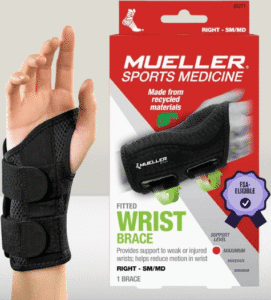
1. Mueller Green Fitted Wrist Brace
Key Features:
- Rigid metal spoon for firm wrist support
- Adjustable straps for a secure fit
- Breathable, eco-friendly materials
- Available in right and left-hand options
Why it’s recommended:
Mueller’s wrist brace is one of the most popular on the market for CTS. It’s comfortable enough for all-day wear and provides the neutral wrist positioning needed to relieve pressure on the median nerve.
Pros:
- Affordable
- Easy to adjust
- Lightweight for night use
Cons:
- May be tight on larger wrists
- Slightly bulky under clothes
User Review:
“I’ve tried a few braces, but Mueller’s gives just the right support without being too stiff. My nighttime numbness has almost disappeared.” – ★★★★☆
Key Features:
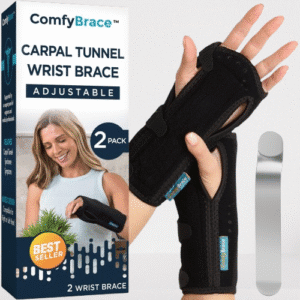
- Ergonomic design for nighttime comfort
- Soft, padded interior
- Firm metal splint for wrist immobilization
- One-size-fits-most, fits both hands
Why it’s recommended:
Designed specifically for nighttime relief, this brace keeps your wrist in a straight position while you sleep, preventing flexion that worsens CTS symptoms.
Pros:
- Soft and breathable
- Can be worn on either hand
- Excellent for overnight use
Cons:
- Less ideal for daytime tasks
- Can loosen slightly during sleep
User Review:
“My fingers used to go numb at night. After using this brace for a week, I sleep soundly. Very soft and effective!” – ★★★★★
Key Features:
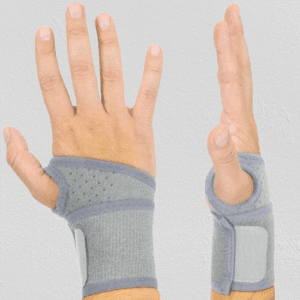
- Removable metal splint
- Dual straps for custom fit
- Designed for both left and right wrists
- Lightweight and flexible
Why it’s recommended:
Vive offers a hybrid brace that’s great for day or night. The removable splint lets you adjust support depending on your activity level.
Pros:
- Comfortable for work and rest
- Budget-friendly
- Offers flexible or firm support
Cons:
- Velcro may wear over time
- Not the most breathable for warm climates
User Review:
“This brace gave me relief without limiting movement. I wear it at work and take the splint out while typing.” – ★★★★☆
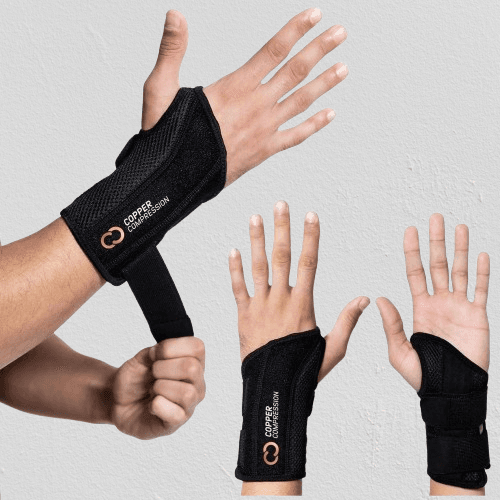
Key Features:
- Infused with copper for anti-microbial benefits
- Adjustable compression
- Lightweight and slim design
- Suitable for day and night
Why it’s recommended:
This brace offers mild to moderate support with compression benefits, ideal for early-stage CTS or for people who type or use a mouse frequently.
Pros:
- Slim and discreet
- Moisture-wicking
- Great for daily office use
Cons:
- Not rigid enough for severe CTS
- Limited immobilization
User Review:
“Perfect for daily use—slips easily under sleeves. I combine it with hand stretches, and my symptoms have decreased a lot.” – ★★★★☆
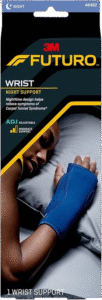
Key Features:
- Patented cushioning bead pad
- Rigid stabilizer to hold wrist in neutral
- Breathable and soft materials
- Designed specifically for night use
Why it’s recommended:
Futuro is a leading brand in orthopedics, and their night support brace is a favorite among users with chronic CTS. It keeps the wrist straight and supported without feeling restrictive.
Pros:
- High-quality design
- Great for sensitive skin
- Clinically tested for CTS
Cons:
- Not suitable for small wrists
- Bulkier than some night braces
User Review:
“This is hands-down the best night brace I’ve used. It holds my wrist in the perfect position—no tingling in the morning anymore!” – ★★★★★
How Wrist Braces Help Reduce Nerve Compression in CTS
Carpal Tunnel Syndrome is caused by compression of the median nerve, which runs through the carpal tunnel in your wrist. When the wrist is bent frequently—especially during sleep—it increases pressure inside the tunnel and compresses the nerve.
Wrist braces reduce nerve compression by:
- Holding the wrist in a neutral (straight) position:
This keeps the tunnel open and reduces pressure on the median nerve. - Limiting repetitive motion or flexion:
Braces reduce wrist bending during typing, lifting, or even sleeping. - Providing gentle compression:
This can reduce inflammation and swelling that contributes to nerve pressure. - Encouraging healing:
By immobilizing the joint, the wrist brace prevents further strain, giving tendons and nerves time to recover.
Day vs. Night Braces for Carpal Tunnel
Feature | Daytime Brace | Nighttime Brace |
Design | Slim, breathable, moderate support | Padded, rigid, comfortable for sleep |
Use | Typing, work, light activities | Keeps wrist straight during sleep |
Support Level | Mild to moderate | Moderate to high |
Popular Types | Vive, Copper Compression | ComfyBrace, Futuro Night Support |
Pro Tip: Many people use one brace for daytime and a different one at night for full 24-hour support.
User Recommendations: How to Choose the Right Brace
1. For mild CTS / Office use:
- Go with soft compression-style braces like Copper Compression
- Prioritize comfort and slim design
2. For nighttime symptoms:
- Use a rigid or hybrid brace like Futuro or ComfyBrace
- Make sure it keeps the wrist straight but feels padded
3. For moderate to severe CTS:
- Choose braces with rigid splints like Mueller or Vive
- Consider getting both a day brace and a night brace
Bonus Tips for CTS Management
Wrist braces work best when combined with other treatments:
- Stretching exercises: Stretch your fingers, hands, and wrists regularly
- Modify workspace ergonomics: Use a wrist rest and align keyboard height
- Take breaks: Avoid long periods of typing or repetitive tasks without rest
- Use cold packs: For swelling and inflammation
- Consult a healthcare provider: If symptoms persist or worsen
Conclusion
A high-quality wrist brace is one of the most effective and non-invasive ways to manage Carpal Tunnel Syndrome. Whether you’re dealing with mild symptoms or more severe pain, the right brace can significantly reduce nerve compression, improve sleep, and restore comfort during daily activities.
Top Picks Recap:
- Mueller Green Fitted Wrist Brace – best overall value
- ComfyBrace Night Brace – best for sleep
- Vive Wrist Brace – best for day-to-night use
- Copper Compression – best for light daily support
- Futuro Night Brace – premium nighttime option
Don’t wait for symptoms to worsen. Choosing the right brace early on can prevent long-term damage and possibly help avoid surgery.
Best Wrist Brace for Arthritis: Features, Comparisons & Doctor-Recommended Picks
Introduction
Arthritis of the wrist can make everyday tasks—like opening a jar or typing—painful and frustrating. Whether you’re dealing with osteoarthritis, rheumatoid arthritis, or post-traumatic arthritis, a high-quality wrist brace can offer the support, compression, and warmth needed to reduce pain and improve mobility.
This guide explores the top features to look for, compares the best arthritis-friendly wrist braces, and highlights doctor-recommended options so you can find the perfect brace for long-term relief.
Features to Look for in a Wrist Brace for Arthritis
Arthritis in the wrist typically causes stiffness, swelling, pain, and reduced range of motion. Choosing a wrist brace with the right features can make a significant difference.
1. Compression
- Why it matters: Compression helps reduce inflammation and swelling by increasing circulation in the affected area.
- What to look for: Look for braces made of neoprene, spandex, or copper-infused fabric that provide gentle but consistent pressure. Adjustable compression straps are a plus.
2. Warmth
- Why it matters: Warmth soothes stiff joints and relieves pain, especially in the morning or colder weather.
- What to look for: Materials like neoprene, fleece-lined fabric, or thermal blends retain heat and offer therapeutic benefits.
3. Flexibility & Mobility
- Why it matters: Unlike fractures or post-surgical care, arthritis doesn’t always require full immobilization. Flexibility lets you maintain daily function without aggravating the joint.
- What to look for: Semi-rigid or hybrid braces that allow moderate movement while limiting strain are ideal.
4. Easy On/Off Design
- Why it matters: Arthritis can make finger movement difficult.
- What to look for: Braces with Velcro straps, pull-on designs, or one-handed adjustments make it easier to wear and remove the brace.
5. Lightweight & Breathable Material
- Look for breathable mesh panels or moisture-wicking fabric if you’ll wear it for long periods.
Comparison of Arthritis-Friendly Wrist Braces
Below is a side-by-side comparison of top-rated wrist braces for arthritis relief:
Brace Name | Best For | Compression | Flexibility | Warmth | Adjustable | Night Use |
Copper Compression Wrist Brace | Daily wear & light support | ✅✅✅ | ✅✅✅ | ✅✅ | ✅✅✅ | ✅ |
Vive Wrist Brace | Moderate arthritis | ✅✅✅ | ✅✅ | ✅✅✅ | ✅✅✅ | ✅✅ |
ComfyBrace Arthritis Support | Rheumatoid arthritis relief | ✅✅✅ | ✅✅ | ✅✅✅ | ✅✅✅ | ✅✅✅ |
Thermoskin Arthritis Wrist Wrap | Severe stiffness & heat therapy | ✅✅✅ | ✅ | ✅✅✅✅ | ✅✅ | ✅✅ |
Futuro Compression Glove with Wrist Support | Light compression + finger relief | ✅✅ | ✅✅✅ | ✅✅ | ✅✅✅ | ✅ |
Top Doctor-Recommended Wrist Braces for Arthritis
1. ComfyBrace Premium Arthritis Wrist Support
Recommended for: Rheumatoid or moderate osteoarthritis
Key Features:
- Orthopedic-level design
- Cushioned interior and adjustable compression
- Maintains warmth while allowing movement
- Ideal for all-day or night use
Doctor Insight:
Doctors recommend this brace for those needing warmth and gentle immobilization, especially during arthritis flares.
User Review:
“I’ve used several braces, but this one is the most comfortable and supportive. I wear it almost all day without discomfort.” – ★★★★★
2. Copper Compression Wrist Sleeve
Recommended for: Early-stage arthritis, workplace use
Key Features:
- Copper-infused compression fabric
- Lightweight, breathable, flexible
- Fits under clothing
- Great for mild arthritis and pain prevention
Doctor Insight:
Physicians often recommend copper-based compression sleeves to patients who need lightweight, daily support without rigid immobilization.
User Review:
“It’s thin enough to type with and still helps reduce swelling. My wrist pain at work has reduced significantly.” – ★★★★☆
3. Thermoskin Premium Arthritis Wrist Wrap
Recommended for: Chronic pain and stiffness
Key Features:
- Uses Trioxon® lining for thermal therapy
- Retains body heat to reduce joint inflammation
- Soft and flexible outer material
- Ideal for morning stiffness or cold weather
Doctor Insight:
This brace is frequently recommended by rheumatologists for heat therapy to improve blood flow and joint flexibility.
User Review:
“The warmth makes a huge difference. I wear it for 1–2 hours in the morning and feel more mobile for the rest of the day.” – ★★★★☆
4. Vive Wrist Brace (Adjustable Support)
Recommended for: Moderate arthritis and tendon strain
Key Features:
- Removable metal splint for adjustable support
- Dual straps for customized compression
- Breathable design for daily or nighttime use
Doctor Insight:
The removable splint makes this brace excellent for patients progressing through arthritis management—more support during flare-ups, less when mobility is needed.
User Review:
“I like that I can wear it to bed or while working. When I need more support, I leave the splint in.” – ★★★★★
5. Futuro Energizing Compression Glove with Wrist Support
Recommended for: Light arthritis in hands and wrist
Key Features:
- Compression glove + wrist wrap combo
- Provides support for fingers, palm, and wrist
- Lightweight and suitable for long-term wear
- Good for daily use, typing, or crafts
Doctor Insight:
This glove is ideal for patients experiencing joint pain in both the hand and wrist, especially those with rheumatoid arthritis.
User Review:
“It helps both my fingers and wrist, especially when I knit or write. Very breathable and light.” – ★★★★☆
How Wrist Braces Help with Arthritis
Arthritis causes inflammation, joint damage, and instability. Wrist braces help in several ways:
- Reduce movement that irritates joints: By limiting harmful motions like bending and twisting
- Apply compression: Reduces swelling and improves circulation
- Provide warmth: Soothes stiffness and increases flexibility
- Support weak joints: Prevents pain from overuse and allows better hand function
- Encourage proper alignment: Keeps wrist in a natural position to reduce stress
Unlike braces for fractures, arthritis-friendly braces offer support without complete immobilization, which is important for preserving function.
Should You Wear a Brace All Day?
- For flare-ups: Yes, wearing a brace during high-pain days helps control inflammation and prevent overuse
- For mild pain or prevention: Wearing a brace for 2–4 hours a day or during tasks (e.g., typing, lifting) can help
- For nighttime stiffness: Braces designed for sleep are soft, warm, and ideal for reducing morning pain
Important:
Don’t rely on braces permanently. Combine with stretching, exercise, and joint-friendly habits to maintain long-term joint health.
Final Tips for Choosing the Right Wrist Brace
- Match your symptoms: For warmth and flexibility, choose soft braces. For flare-ups, go with hybrid or semi-rigid options.
- Check fit: Look for adjustable sizing and left/right-hand specific designs.
- Choose breathable materials: Especially important for all-day use.
- Ease of use: Arthritis can limit dexterity—opt for Velcro or slip-on styles.
- Talk to your doctor: Always consult if symptoms worsen or you’re unsure about which type to choose.
Conclusion
Wrist braces are a safe, non-invasive solution for managing arthritis symptoms like stiffness, swelling, and joint pain. By offering compression, warmth, and targeted support, the right wrist brace can improve your quality of life without sacrificing function.
Top Doctor-Recommended Picks:
- ComfyBrace Arthritis Support – Best all-around for moderate arthritis
- Copper Compression – Ideal for daily light support
- Thermoskin Wrap – Best for thermal therapy
- Vive Adjustable Brace – Best hybrid for variable needs
- Futuro Compression Glove – Best for wrist + hand arthritis
Choose the one that best matches your lifestyle and pain level—and start feeling relief today.
Best Wrist Brace for Tendonitis & De Quervain’s: Relief, Top Picks, & Use Guide
Introduction
Wrist tendonitis and De Quervain’s tenosynovitis are painful, inflammation-based conditions that can make gripping, lifting, and twisting the wrist incredibly difficult. Whether caused by overuse, repetitive strain, or injury, both conditions benefit significantly from wearing a properly fitted wrist brace.
This guide explains how wrist braces help reduce tendon inflammation, highlights top-rated braces for tendonitis and De Quervain’s, and breaks down the difference between day and night use for optimal healing.
How Wrist Braces Help with Tendon Inflammation
Both wrist tendonitis and De Quervain’s involve inflammation of tendons in the wrist and thumb. The main treatment goals are to:
- Reduce repetitive motion
- Minimize tendon irritation
- Limit thumb and wrist movement
- Provide compression to reduce swelling
Braces help by:
✅ Immobilizing the wrist and/or thumb to prevent movement that aggravates tendons
✅ Applying compression to reduce inflammation and promote circulation
✅ Supporting proper wrist alignment, easing pressure on the tendon sheaths
✅ Allowing tendons to rest, promoting faster recovery
Without support, tendons remain stressed—leading to prolonged pain or chronic damage. Wearing a wrist brace reduces strain during daily activities and while sleeping, speeding up healing.
Top Wrist Braces for Tendonitis & De Quervain’s
Here are the top 5 highly recommended wrist braces for tendonitis and De Quervain’s:
1. Mueller Adjustable Thumb Stabilizer
Best for: De Quervain’s tenosynovitis
Key Features:
- Thumb spica support to immobilize the thumb
- Breathable, adjustable neoprene construction
- Helps reduce inflammation around the first dorsal compartment
- One size fits most, for both hands
Pros:
- Provides firm thumb and wrist immobilization
- Lightweight and breathable
- Affordable and widely recommended
Cons:
- Not ideal for all-day typing
- May loosen after long use
User Review:
“After a week with this brace, my De Quervain’s pain dropped dramatically. Very helpful for everyday use.” – ★★★★★
2. Vive Thumb & Wrist Brace
Best for: Combined wrist and thumb tendonitis
Key Features:
- Dual metal splints: one for wrist, one for thumb
- Adjustable straps for personalized compression
- Breathable and soft inner lining
- Available for left or right hand
Pros:
- Great for moderate to severe tendonitis
- Keeps wrist and thumb in neutral position
- Easy to wear day and night
Cons:
- Slightly bulky under clothes
- Only hand-specific (must choose left/right)
User Review:
“This was the only brace that helped both my thumb and wrist pain without feeling like a cast. Worth every penny.” – ★★★★☆
3. BraceUP Wrist Support Brace
Best for: General wrist tendonitis (no thumb involvement)
Key Features:
- Removable metal splint for stabilization
- Dual Velcro straps for custom fit
- Slim, low-profile design
- Unisex; fits both left and right hand
Pros:
- Ideal for daily use
- Easy to wear while typing
- Washable and durable
Cons:
- No thumb support
- Not designed for De Quervain’s
User Review:
“Perfect for my wrist tendonitis from overuse. Helps me type and work pain-free.” – ★★★★☆
4. Thumb Spica Splint by FSA Store
Best for: Severe De Quervain’s pain or injury recovery
Key Features:
- Rigid splints for maximum support
- Thumb and wrist immobilization
- Padded interior with soft lining
- Adjustable for swelling or size changes
Pros:
- Doctor-grade stability
- Great for post-injury or advanced cases
- Can be worn overnight
Cons:
- Very rigid – not suitable for activities
- May restrict finger use
User Review:
“After my doctor diagnosed De Quervain’s, this was the only brace that gave instant relief.” – ★★★★★
5. Copper Compression Wrist Sleeve
Best for: Early-stage or mild tendonitis
Key Features:
- Flexible copper-infused fabric
- Gentle compression for inflammation
- Slim design fits under clothing
- Ideal for typing, daily wear
Pros:
- Extremely breathable and lightweight
- Great for mild pain or prevention
- Easy to wear all day
Cons:
- No immobilization
- Not suitable for severe cases
User Review:
“Perfect for my mild tendonitis from weightlifting. Keeps my wrist supported without feeling restricted.” – ★★★★☆
Night vs. Day Use: Which Brace When?
Wearing a wrist brace during both day and night is beneficial—but not always with the same design. Here’s how to choose:
Daytime Braces
Used while working, writing, lifting, or exercising. Choose a brace that:
- Offers moderate support but allows some motion
- Has a slim or breathable design
- Is adjustable for changing activity levels
Best picks:
- BraceUP Wrist Support
- Copper Compression Sleeve
- Mueller Thumb Stabilizer
Nighttime Braces
Used during sleep to prevent harmful wrist/thumb positioning. Choose a brace that:
- Offers rigid immobilization to hold wrist/thumb in neutral
- Is soft and padded for comfort
- Won’t loosen or slip off during sleep
Best picks:
- Vive Wrist & Thumb Brace
- Thumb Spica Splint
- ComfyBrace Night Wrist Support (for general tendonitis)
Why nighttime use matters:
While asleep, you may bend your wrist or twist your thumb unknowingly. This puts extra strain on inflamed tendons and delays healing. Wearing a night brace helps maintain proper positioning for 6–8 hours—crucial for recovery.
What’s the Difference Between Tendonitis and De Quervain’s?
Condition | Affected Area | Symptoms | Brace Feature Needed |
Wrist Tendonitis | Tendons on wrist (flexor/extensor) | Pain with movement, swelling | Wrist support & light compression |
De Quervain’s | Tendons at thumb base | Pain when gripping or lifting thumb | Thumb spica + wrist immobilization |
Knowing the difference helps you choose a brace that targets the right tendons for support and healing.
Additional Tips for Tendonitis & De Quervain’s Relief
- Rest is key: Avoid activities that aggravate the pain
- Ice the area: 15 minutes several times a day
- Stretch gently: Especially after removing the brace
- Anti-inflammatory meds: As prescribed by a doctor
- Strengthen over time: Use hand therapy balls or resistance bands once inflammation subsides
When to See a Doctor
You should consult a doctor if:
- Pain persists more than 2–3 weeks
- There’s numbness, tingling, or weakness
- Swelling increases despite rest
- You have difficulty gripping, writing, or lifting
A medical professional can confirm if you need physical therapy, corticosteroid injections, or in rare cases—surgical treatment.
Conclusion
A quality wrist brace can significantly reduce the symptoms of wrist tendonitis and De Quervain’s tenosynovitis, helping you recover faster and avoid further damage. Whether you need a thumb spica brace for De Quervain’s or a flexible compression sleeve for tendonitis, the right support can restore function and comfort to your wrist.
✅ Best for De Quervain’s: Mueller Thumb Stabilizer or Vive Thumb & Wrist Brace
✅ Best for General Tendonitis: BraceUP or Copper Compression
✅ Best for Night Use: Thumb Spica Splint or ComfyBrace Night Support
Best Wrist Brace for Sprains & Fractures: Support, Recovery, and Duration
Introduction
Wrist sprains and fractures are among the most common upper limb injuries—whether from a fall, sports accident, or repetitive strain. Recovery requires immobilization, protection, and support to allow healing. That’s where a wrist brace becomes essential.
In this guide, you’ll learn about:
- The best wrist braces for sprains and fractures
- Post-surgery stabilizing options
- How long to wear a brace for safe, effective recovery
Stabilizing Braces for Injury Recovery
A high-quality stabilizing brace does more than immobilize—it aids the healing process, prevents reinjury, and allows gradual return to activity.
What Makes a Good Stabilizing Wrist Brace?
✅ Rigid Support: To keep bones and ligaments in place
✅ Adjustable Compression: Reduces swelling and improves circulation
✅ Proper Fit: Prevents wrist movement without cutting off blood flow
✅ Breathability & Padding: Comfort during extended wear
✅ Left/Right Specific Design: Especially important for fractures
Difference Between a Sprain & Fracture Brace:
Condition | Support Needed | Recommended Brace Type |
Mild–Moderate Sprain | Semi-rigid with adjustable compression | Hybrid brace with removable splint |
Severe Sprain | Rigid immobilization | Full wrist stabilizer |
Fracture | Maximum immobilization | Hard-shell or post-op recovery brace |
Top Wrist Braces for Sprains & Fractures
Here are the top 5 wrist braces trusted by orthopedic specialists and physical therapists:
**1. Mueller Adjust-to-Fit Maximum Support Wrist Brace
Best For: Severe wrist sprains or post-cast fracture support
Key Features:
- Rigid internal metal splints
- Extra-wide Velcro straps for firm hold
- Soft padding for comfort
- Fits left or right wrist
Why it’s recommended:
This brace offers firm immobilization and is ideal for moderate-to-severe sprains or to transition from cast to daily protection after a fracture.
Pros:
- Maximum support
- Very comfortable despite rigidity
- One brace fits both sides
Cons:
- Slightly bulky under sleeves
User Review:
“Used this after my cast came off. Helped me regain strength without risking re-injury.” – ★★★★★
2. Vive Wrist Splint (Rigid Recovery Support)
Best For: Stable wrist fractures, post-injury healing
Key Features:
- Reinforced aluminum splint
- Dual compression straps
- Cushioned neoprene for warmth and support
- Separate left/right models for perfect fit
Why it’s recommended:
Doctors often suggest Vive for affordable, long-term recovery. It provides just enough rigidity without being overly bulky.
Pros:
- Durable and secure
- Comfortable for long-term use
- Breathable inner fabric
Cons:
- May require hand-specific size adjustment
User Review:
“Wore this for 4 weeks after breaking my wrist. Helped stabilize the joint while staying active.” – ★★★★☆
3. DonJoy ComfortForm Wrist Support Brace
Best For: Mild to moderate sprains, ligament strains
Key Features:
- Moldable aluminum stay
- Soft, ventilated liner
- Hook-and-loop closures
- Recommended by orthopedic clinics
Why it’s recommended:
Used in many clinics, DonJoy combines comfort and function—great for healing sprains or as support post-casting.
Pros:
- Widely trusted in sports and rehab
- Lightweight for daytime use
- Comfortable for 6–8 hour wear
Cons:
- Not suitable for severe fractures
User Review:
“My PT recommended this. Super easy to wear, great support without limiting finger motion.” – ★★★★☆
4. ProCare Quick-Fit Wrist Brace
Best For: Fracture stabilization & post-surgery recovery
Key Features:
- Dual aluminum stays (top and palm side)
- Adjustable strap closure
- Latex-free, orthopedic-grade materials
- Available in multiple sizes
Why it’s recommended:
Perfect for post-surgical healing and moderate wrist fractures. Offers exceptional immobilization with full customization.
Pros:
- Medical-grade quality
- Full wrist immobilization
- Used in hospitals
Cons:
- More expensive
- Can be stiff for minor injuries
User Review:
“Used after wrist surgery. Better than the hospital brace. Total stability.” – ★★★★★
5. MedSpec Wrist Lacer II
Best For: Athletes & return-to-activity after sprain
Key Features:
- Patented lace closure system
- Adjustable dorsal/palmar stays
- Ideal for sports or physical work recovery
- Available in multiple sizes
Why it’s recommended:
Great for regaining strength and range of motion after the healing phase. Used by athletic trainers for controlled motion.
Pros:
- Secure fit, no shifting
- Lightweight
- Easy one-hand application
Cons:
- Not for early-stage fracture healing
User Review:
“As a tennis player, this brace helped me recover from a sprain without losing mobility.” – ★★★★☆
Post-Surgery Wrist Brace Options
After wrist surgery (e.g., for fractures, ligament repair, or tendon reconstruction), most doctors recommend a rigid, immobilizing brace once the cast is removed.
Key post-op brace features:
- Full wrist immobilization
- Thick padding for protection
- Size-adjustable to accommodate swelling
- Durable straps for controlled compression
Top Post-Surgery Picks:
- ProCare Quick-Fit – trusted by hospitals
- Mueller Maximum Support – great for home recovery
- Vive Splint Brace – budget-friendly and effective
Doctor’s Note:
Never self-select a brace post-surgery without medical approval. The wrong type or size can delay healing or cause nerve issues.
How Long Should You Wear a Wrist Brace After Injury?
Recovery time varies based on injury severity:
Condition | Recommended Brace Duration |
Mild wrist sprain | 1–2 weeks (during activities) |
Moderate wrist sprain | 2–4 weeks (most of the day) |
Severe sprain / ligament tear | 4–6 weeks (day & night) |
Wrist fracture (post-cast) | 4–8 weeks (doctor-guided) |
After surgery | 6–12 weeks (based on healing) |
Important Tips:
- Follow your doctor or physical therapist’s schedule
- Reduce wear gradually—start with day use, then remove at rest
- Replace the brace if it loosens or shows wear
- Do not continue wearing beyond healing phase unless advised
Signs It’s Time to Stop Wearing the Brace
✅ Pain has reduced significantly
✅ No swelling or instability
✅ You can perform daily tasks pain-free
✅ Doctor clears you to resume normal activities
✅ Strength and range of motion are returning
If you feel weakness, numbness, or pain returns after removing the brace, consult your doctor before stopping use.
When to See a Doctor or Specialist
- Intense or growing pain despite brace use
- Numbness or tingling in fingers
- Swelling that doesn’t reduce
- Deformity or loss of wrist function
- You can’t grip, lift, or rotate the wrist at all
You may need X-rays, MRI, or a custom orthotic splint depending on severity.
Conclusion
Whether you’re recovering from a wrist sprain, fracture, or surgery, the right brace can protect your joint, reduce pain, and accelerate healing. From rigid medical braces for serious injuries to semi-rigid options for sprains, today’s wrist supports are more effective and comfortable than ever.
🔎 Top Brace Picks Recap:
- Mueller Maximum Support – Best all-around stabilizer
- ProCare Quick-Fit – Best post-surgery and hospital-grade support
- Vive Wrist Splint – Great for everyday recovery
- DonJoy ComfortForm – Lightweight clinical-quality for sprains
- MedSpec Lacer II – Best for athletic sprain recovery
Always consult a healthcare provider before beginning or ending brace use—and choose the right tool to protect your healing wrist.
Best Wrist Brace for Weightlifting & Gym Use: Injury Prevention, Top Picks & Support Types
Introduction
Wrist injuries are surprisingly common among weightlifters, CrossFit athletes, and gymgoers—especially during heavy lifts like bench press, clean & jerk, overhead press, and snatches. One of the most effective ways to prevent overextension, strain, and fatigue is using a wrist brace or wrist wrap designed for gym use.
In this guide, you’ll learn:
- How wrist braces prevent injuries during workouts
- The best wrist wraps for powerlifting, CrossFit, and strength training
- The difference between adjustable vs. fixed wrist support and which one suits your training goals
Why Wrist Braces Are Essential for Weightlifting
During lifts, especially under heavy loads, your wrists undergo intense pressure. Repeated flexion and extension, plus the load-bearing angle, can lead to:
- Sprains or ligament strain
- Tendonitis
- Joint instability
- Chronic pain and swelling
Wrist braces/wraps help by:
✅ Supporting the joint under load
✅ Reducing the range of motion to avoid hyperextension
✅ Stabilizing tendons and ligaments during high-impact lifts
✅ Allowing better bar control for cleaner reps
✅ Boosting confidence to lift heavier with proper form
They’re especially helpful for lifters with small wrists, prior injuries, or poor wrist mobility.
Top Wrist Braces & Wraps for Gym Use
Here are the top-rated wrist supports for various training needs:
1. Rogue Fitness Wrist Wraps (Heavy Duty)
Best For: Powerlifting, bench press, and max weight support
Key Features:
- Thick elastic blend for maximum stiffness
- Strong Velcro strap with thumb loop
- Available in 12″, 18″, and 24″ lengths
- Designed for competition-level lifts
Pros:
- Very stiff for max support
- Ideal for PRs and power days
- Multiple length options
Cons:
- Too rigid for dynamic training
- Not comfortable for long wear
User Review:
“My go-to wraps for max bench and squats. The stiffness makes a real difference.” – ★★★★★
2. Gymreapers Wrist Wraps (USPA Approved)
Best For: Powerlifting, bodybuilding, CrossFit
Key Features:
- 18″ premium elastic material
- Thumb loop + heavy-duty Velcro
- Comes with a travel bag
- Endorsed by elite lifters
Pros:
- Great balance of support & flexibility
- Competition-approved
- Affordable and long-lasting
Cons:
- May feel tight during long workouts
User Review:
“I use these every upper body session. They’ve saved my wrists on bench and push press.” – ★★★★☆
3. WOD Nation Wrist Wraps
Best For: CrossFit, HIIT, Olympic lifting
Key Features:
- Slim, breathable wrap
- Fast wrap/unwrap design
- Allows flexible wrist motion
- One-size-fits-all
Pros:
- Great for fast-paced workouts
- Lightweight and breathable
- Easy to use mid-WOD
Cons:
- Less support for max lifts
- Not rigid enough for powerlifters
User Review:
“Perfect for snatches and CrossFit workouts. Not too tight, just right for wrist stability.” – ★★★★☆
4. Bear Grips Wrist Wraps Pro Series
Best For: Versatile gym training, presses, calisthenics
Key Features:
- Reinforced elastic fabric
- Dual-adjustment straps
- Thumb loop for quick setup
- Multiple color options
Pros:
- High durability
- Comfortable for long sessions
- Versatile for presses, pullups, rows
Cons:
- Limited availability in some regions
User Review:
“Love how easy they are to adjust. I use them for everything from chest day to kettlebells.” – ★★★★☆
5. RDX Weight Lifting Wrist Support Brace
Best For: Wrist protection + compression support
Key Features:
- Neoprene compression base + Velcro wrap
- Built-in iron splint for added protection
- Ideal for injury-prone lifters
- Supports heavy and moderate training
Pros:
- Offers more structured protection
- Combines brace and wrap design
- Great for post-injury training
Cons:
- Heavier than elastic wraps
- Slightly restrictive for Olympic lifts
User Review:
“After spraining my wrist, this was perfect. Offers protection with compression.” – ★★★★★
Adjustable vs. Fixed Support: Which is Right for You?
Choosing between adjustable wraps and fixed braces depends on your training style and wrist health.
✅ Adjustable Wrist Wraps
- Made from elastic or cotton
- Wrap to your desired tightness
- Ideal for CrossFit, functional training, or general lifting
- Allows more movement
- Best for healthy wrists needing light–moderate support
Top Picks: Gymreapers, Rogue Wraps, WOD Nation
✅ Fixed Wrist Braces
- Often include a metal/plastic splint
- Limit range of motion completely
- Best for those recovering from sprains or tendonitis
- Provide maximum protection under load
- May restrict movement during dynamic lifts
Top Picks: RDX Wrist Brace, Vive Wrist Splint
How to Wear a Wrist Wrap Properly (Quick Guide)
- Start just above the wrist joint, not on the hand
- Wrap firmly, but not so tight it cuts circulation
- Use the thumb loop while wrapping, then remove it before lifting (optional)
- Test with light weight before moving to your working sets
- Re-wrap as needed during long sessions
Tip: Loosen the wrap between sets to maintain blood flow!
Do You Always Need Wrist Support at the Gym?
Not always. Wrist wraps are a tool, not a crutch.
✅ Use them when:
- Lifting heavy (80%+ of your 1RM)
- Training after a wrist strain or injury
- Doing pressing or overhead barbell work
- Your wrists are small, weak, or hypermobile
❌ Avoid using constantly for:
- Warmups
- Pulling exercises (rows, deadlifts—unless needed)
- Isolation work (biceps, triceps)
- Every workout if wrists are healthy
Overuse can reduce your body’s ability to naturally stabilize the joint.
Bonus: Wrist Mobility + Strength Tips
Wearing a wrist brace won’t replace the need for wrist strength and mobility. Combine with:
- Wrist circles and stretches (pre-workout)
- Reverse curls and wrist curls (strengthening)
- Farmer’s carries for grip/wrist endurance
- Finger extensor bands to balance wrist muscles
This will help prevent chronic overuse injuries even with heavy gym use.
Conclusion
A quality wrist brace or wrap can make a huge difference in your performance and safety during weightlifting. Whether you’re a powerlifter aiming for new PRs, a CrossFitter training for intensity, or recovering from a sprain, there’s a support option that matches your training needs.
🔥 Top Wrist Support Picks Recap:
- Rogue Wraps – Best for heavy bench & max lifting
- Gymreapers Wraps – All-purpose power wrap
- WOD Nation – Best for CrossFit and speed
- RDX Brace – Best for post-injury protection
- Bear Grips – Great hybrid support
Train smart, protect your wrists, and lift with confidence!
Best Wrist Brace for Gaming & Typing (RSI Prevention): Ergonomic Relief & Top Picks
Introduction
Whether you’re a professional gamer, remote worker, or spend hours a day at a computer, your wrists are at constant risk of RSI (Repetitive Strain Injury). Conditions like carpal tunnel syndrome, tendonitis, and wrist fatigue are common in digital workspaces.
One of the best preventative measures? A wrist brace or ergonomic wrist support designed specifically for gaming and typing.
This guide will help you:
- Understand how ergonomic braces reduce RSI
- Explore the top wrist braces for computer users
- Choose between comfort and functionality for long-term relief
Why RSI Is a Real Risk for Gamers & Typists
Common causes of RSI:
- Repetitive wrist movement (mouse clicking, typing, joystick use)
- Awkward wrist angles
- Lack of wrist breaks during prolonged sessions
- Poor desk or keyboard ergonomics
Symptoms of RSI:
- Dull ache or stiffness in the wrist
- Tingling or numbness in fingers
- Weak grip or finger fatigue
- Wrist pain that worsens with activity
How Wrist Braces Help with RSI Prevention
Ergonomic wrist braces are designed to:
✅ Keep the wrist in a neutral position
✅ Limit excessive movement that strains tendons
✅ Provide light compression to boost circulation
✅ Offer padding and support during long sessions
✅ Reduce inflammation caused by repetitive tasks
By preventing wrist extension and overuse, braces reduce the risk of chronic RSI and help improve wrist posture at your workstation or gaming setup.
Top Wrist Braces for Gaming & Typing
Here are the best ergonomic wrist braces designed for comfort, RSI prevention, and desk use:
1. ComfyBrace Night Wrist Support
Best For: Nighttime pain relief, carpal tunnel, RSI recovery
Key Features:
- Ergonomic fit with cushioned support
- Breathable, padded fabric
- Stabilizing metal splint holds wrist in neutral
- Adjustable Velcro strap
Pros:
- Excellent for nighttime recovery
- Very comfortable and soft
- Provides gentle compression
Cons:
- Not suitable for typing during wear
- More of a recovery brace than active support
User Review:
“Great for sleeping pain-free. I wear it every night after gaming sessions.” – ★★★★★
2. Futuro Energizing Wrist Support
Best For: Daily wear for typing or mouse use
Key Features:
- Moderate compression with full wrist mobility
- Sleek, breathable material
- Wraparound design for ergonomic wrist alignment
- Slim enough to fit under clothing
Pros:
- Allows typing and mouse use
- Helps reduce swelling from long sessions
- Soft and unobtrusive
Cons:
- Limited immobilization
- May loosen after long-term wear
User Review:
“The only brace I can wear while typing and coding all day. Very ergonomic.” – ★★★★☆
3. Copper Compression Wrist Sleeve
Best For: RSI prevention + light compression
Key Features:
- Copper-infused, stretchable fabric
- Ultra-thin design
- 360° compression for circulation and joint support
- Can be worn all day
Pros:
- Invisible under long sleeves
- Perfect for mild pain and RSI prevention
- No restriction in movement
Cons:
- Not rigid enough for carpal tunnel treatment
- Less support for advanced RSI cases
User Review:
“I forget I’m wearing it. Works great for long editing and gaming marathons.” – ★★★★☆
4. Mueller Fitted Wrist Brace
Best For: Moderate RSI or carpal tunnel symptoms
Key Features:
- Molded splint for palm-side support
- Breathable fabric + padded lining
- Adjustable straps for custom fit
- Day or night use
Pros:
- Excellent for stabilizing irritated wrists
- Used by office workers and PC gamers
- Easy to wear while using mouse or keyboard
Cons:
- Bulky for small wrists
- Slightly restrictive for fast gaming
User Review:
“This helped me recover from work-related RSI. Very supportive during work and gaming.” – ★★★★★
5. IMAK SmartGlove Ergonomic Support
Best For: Typists, writers, editors
Key Features:
- Ergonomic glove design with built-in wrist pad
- Keeps wrist in neutral typing position
- Breathable cotton fabric
- Supports palm, wrist, and forearm
Pros:
- Designed specifically for typing
- Washable and lightweight
- Prevents wrist bend during long sessions
Cons:
- Not ideal for gaming (interferes with grip)
- Provides light support only
User Review:
“As a writer, I type 8+ hours/day. This glove is a lifesaver.” – ★★★★☆
Comfort vs. Functionality: Choosing the Right Brace
Choosing between comfort and support depends on how you plan to use your wrist brace.
Use Case | Best Option | Support Level |
Gaming (FPS, MMO) | Copper Compression, Mueller Fitted | Medium |
Typing for work | IMAK SmartGlove, Futuro Support | Light–Medium |
Night support & recovery | ComfyBrace, Mueller Brace | High |
Post-RSI management | Mueller Fitted, Vive Wrist Splint | Medium–High |
If you need support while actively using your hands, look for soft, flexible materials. For nighttime recovery, opt for rigid braces to keep the wrist still.
Extra Tips to Prevent RSI While Gaming or Working
✅ Keep wrists neutral: Avoid bending up/down
✅ Use a wrist rest: For both mouse and keyboard
✅ Take breaks: Every 30–45 minutes, stretch fingers and rotate wrists
✅ Adjust desk ergonomics: Keyboard at elbow level, mouse within reach
✅ Strengthen your grip: Use therapy putty or hand grippers off-session
✅ Ice after long sessions: Reduce inflammation after intense typing/gaming
When to See a Doctor
Wrist braces help prevent and manage RSI, but you should consult a professional if:
- Pain lasts more than 2–3 weeks
- You experience numbness or tingling
- You lose grip strength
- Wrist swelling worsens
- Night pain becomes intense
You may be referred to a physical therapist or specialist for further evaluation.
Conclusion
Wrist braces are a powerful, ergonomic solution for preventing RSI caused by excessive typing, gaming, and computer use. From compression sleeves to splinted supports, the right brace can protect your wrist from strain, reduce inflammation, and keep you productive (and pain-free).
🏆 Best Wrist Braces by Use:
- Best for Typing: IMAK SmartGlove, Futuro Energizing Support
- Best for Gaming: Copper Compression Sleeve, Mueller Brace
- Best for RSI Relief at Night: ComfyBrace Night Splint
- Best Lightweight Support: Copper Compression or Futuro
Choose the one that fits your routine—and protect your wrist before RSI slows you down.
Best Wrist Brace for Sleeping (Night Use): Top Picks for Healing and Comfort
Wrist pain doesn’t sleep—even when you do. If you’re struggling with carpal tunnel syndrome, tendonitis, or wrist arthritis, your symptoms may actually get worse overnight. That’s because we often bend, twist, or compress our wrists while we sleep—without even realizing it.
Thankfully, the solution is simple: a wrist brace specifically designed for sleeping.
In this comprehensive guide, you’ll learn:
- Why nighttime wrist support is essential for healing
- The best wrist braces for pain-free, uninterrupted sleep
- How they help prevent wrist bending and long-term damage
🛌 Why Nighttime Wrist Support Is Crucial for Healing
Many people assume rest is enough for recovery—but when it comes to wrist health, how you rest matters just as much.
❗ The Problem: Wrist Bending During Sleep
During sleep, we often:
- Curl our wrists under pillows
- Rest on top of our hands
- Bend wrists into awkward angles
- Clench fists subconsciously
This can lead to:
- Compression of the median nerve (carpal tunnel)
- Aggravation of tendons and ligaments
- Morning numbness, tingling, stiffness, and pain
✅ The Solution: A Nighttime Wrist Brace
Wrist braces designed for nighttime use:
- Hold your wrist in a neutral (straight) position
- Prevent unwanted bending and strain
- Allow tendons, nerves, and muscles to rest and recover
- Reduce inflammation through compression and stability
Wearing the right brace can improve sleep quality, reduce nighttime flare-ups, and help you heal faster.
😴 What to Look for in a Sleeping Wrist Brace
Not all wrist braces are made for overnight comfort. A night brace should be:
Feature | Benefit |
Neutral wrist support | Prevents flexion/extension during sleep |
Cushioned interior | Enhances comfort for long hours |
Breathable material | Avoids overheating and sweating |
Secure but adjustable | Holds wrist firmly without cutting circulation |
Easy to wear | Hassle-free setup before bed |
Some braces also come with removable splints, allowing you to customize the level of support as your condition improves.
🏆 Top 5 Best Wrist Braces for Sleeping
Here are the most recommended and highly rated wrist braces for overnight use:
1. ComfyBrace Night Wrist Support Brace
Best For: Carpal tunnel, general wrist pain, arthritis
Why it Stands Out:
- Built-in metal splint ensures firm wrist alignment
- Super soft memory-foam-like padding
- Fully adjustable straps for comfort and stability
- Universal fit for both hands
Comfort Level: ★★★★★
Support Level: ★★★★★
User Review:
“I haven’t woken up with numb fingers since using this. So comfortable I forget it’s on.” – Verified Amazon Buyer
Pros:
- Exceptional overnight comfort
- Great for people with sensitive skin
- Perfect for moderate to severe wrist issues
Cons:
- A bit bulky for small hands
- Not suitable for daytime tasks
2. Mueller Green Fitted Wrist Brace
Best For: Carpal tunnel syndrome, tendonitis
Why it Stands Out:
- Comes in left/right hand-specific designs for better fit
- Rigid molded splint prevents any wrist bending
- Eco-conscious materials and breathable fabric
- Soft inner lining for all-night comfort
Comfort Level: ★★★★☆
Support Level: ★★★★★
User Review:
“This brace relieved my nighttime wrist pain within a week. Solid and reliable.” – ★★★★☆
Pros:
- Highly effective stabilization
- Budget-friendly
- Breathable for hot climates
Cons:
- Thumb slot may feel tight
- Velcro may wear over time
3. Futuro Night Wrist Sleep Support
Best For: Light-to-moderate pain, early-stage carpal tunnel
Why it Stands Out:
- Unique beaded cushioning supports the hand naturally
- Moisture-wicking fabric keeps skin cool
- Ergonomic design made exclusively for nighttime use
- Stabilizing splint aligns the wrist in optimal position
Comfort Level: ★★★★★
Support Level: ★★★★☆
User Review:
“Love how soft and adjustable it is. Finally sleeping without wrist pain.” – ★★★★★
Pros:
- Extremely soft and padded
- Doesn’t feel bulky
- Easy to adjust in the dark
Cons:
- May not fit very small wrists well
- Only available in right/left models (not universal)
4. Vive Night Wrist Brace
Best For: Tendonitis, arthritis, sprain recovery
Why it Stands Out:
- Removable metal splint allows flexibility during recovery
- Made from soft, breathable neoprene
- Versatile for both day and night use
- One-size-fits-most and ambidextrous
Comfort Level: ★★★★☆
Support Level: ★★★★☆
User Review:
“Soft, secure, and helps with arthritis pain at night. Very pleased.” – ★★★★☆
Pros:
- Excellent price-to-value ratio
- Lightweight, not overly restrictive
- Easy to clean and wear
Cons:
- Runs small for larger wrists
- Compression could be firmer for serious cases
5. Copper Compression Night Wrist Support
Best For: Mild pain, wrist fatigue, circulation support
Why it Stands Out:
- Made with copper-infused compression fabric
- Provides gentle support and warmth without rigidity
- Slim design ideal for light use or layering under blanket
- Doubles as a daytime wrist sleeve
Comfort Level: ★★★★☆
Support Level: ★★★☆☆
User Review:
“I like how it doesn’t restrict me, but still gives pain relief while I sleep.” – ★★★★☆
Pros:
- Lightweight and breathable
- Great for early intervention or prevention
- Easy to wear, even for restless sleepers
Cons:
- Not a stabilizing brace
- Minimal structural support for moderate-to-severe issues
✋ How Wrist Braces Prevent Nighttime Wrist Bending
Wrist bending during sleep is a primary cause of flare-ups in many wrist conditions. A night brace works by:
- Immobilizing the joint without stiffness
- Maintaining a neutral position—aligned with forearm
- Reducing pressure on nerves and tendons
- Encouraging circulation for faster healing
These effects combine to reduce morning symptoms like:
- Numbness in the thumb and fingers
- Weakness in grip strength
- Joint stiffness and inflammation
💡 When Should You Start Wearing a Wrist Brace at Night?
You should consider a night wrist brace if:
- You wake up with numbness, tingling, or wrist stiffness
- You’re diagnosed with carpal tunnel syndrome, RSI, or tendonitis
- You type, game, or use a mouse for long hours during the day
- You recently injured or sprained your wrist
- You want to prevent wrist issues before they start
🧠 Bonus Tips for Better Wrist Health While Sleeping
✅ Adjust sleeping position – Try sleeping on your back with arms by your side
✅ Elevate your wrist slightly – Use a pillow to reduce swelling
✅ Stretch before bed – Wrist circles and light hand stretches improve circulation
✅ Switch arms if you favor one side at night
✅ Avoid sleeping on your hand or under your head
⚠️ When to Consult a Doctor
While wrist braces can offer incredible relief, you should see a medical professional if:
- Pain persists after several weeks of nightly brace use
- You notice swelling, discoloration, or reduced movement
- Symptoms start spreading up the arm
- You lose the ability to grip, twist, or lift objects
These may indicate underlying issues such as nerve compression, fracture, or advanced arthritis.
✅ Conclusion: Sleep Your Way to Better Wrist Health
Wearing a wrist brace at night is a simple, effective, and affordable step toward reducing wrist pain, accelerating healing, and preventing long-term damage.
🔁 Quick Recap:
- Best for Overall Comfort: ComfyBrace Night Wrist Support
- Best Budget Option: Mueller Green Fitted Brace
- Most Ergonomic Design: Futuro Night Support
- Best for Recovery Flexibility: Vive Night Brace
- Light Support & Circulation: Copper Compression Sleeve
Choose the right wrist brace based on your comfort level, support needs, and healing goals—and you’ll wake up pain-free and refreshed.
Best Budget Wrist Braces Under $20: Affordable Support That Works
Wrist pain can be frustrating—but getting relief doesn’t have to be expensive. Whether you’re dealing with carpal tunnel syndrome, tendonitis, or simply need extra support during work or workouts, there are plenty of effective wrist braces under $20.
In this guide, you’ll discover:
- The best budget-friendly wrist braces that actually work
- The pros and cons of low-cost braces
- When it’s worth investing in a premium wrist brace
Let’s find the perfect option for your wrist—and your wallet.
💸 Why Go for a Budget Wrist Brace?
Not everyone needs a $50 medical-grade brace. In many cases, an affordable wrist support provides all the stabilization, comfort, and relief you need.
✅ Budget braces are ideal for:
- Short-term relief or injury prevention
- Mild to moderate symptoms of RSI or wrist pain
- Students, gamers, typists, or light-duty workers
- First-time users who want to test a brace before upgrading
The key is knowing which budget braces are worth your money—and which to skip.
🏆 Top 5 Best Wrist Braces Under $30
Here are the best-reviewed and most reliable wrist braces under $20, based on comfort, support, and durability:
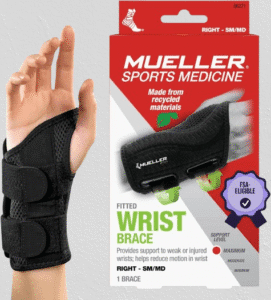
1. Mueller Green Fitted Wrist Brace
Price: ~$12.80
Best For: Carpal tunnel, mild sprains, nighttime use
Key Features:
- Rigid palm splint for immobilization
- Soft fabric made from recycled materials
- Adjustable straps for custom fit
- Separate models for left and right wrists
Pros:
- Excellent support for the price
- Trusted medical brand
- Comfortable for sleep and daily wear
Cons:
- Can feel bulky for small hands
- Velcro may weaken over time
Why It’s Great:
Mueller is one of the most respected names in affordable orthopedics. This brace offers strong immobilization and comfort under $20—rare at this price point.
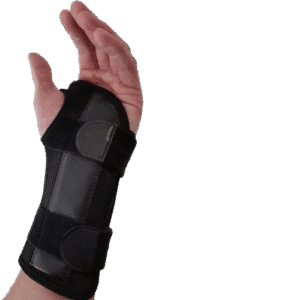
2. ARMSTRONG AMERICA Wrist Brace
Price: ~$16
Best For: Smaller wrists, women, desk workers
Key Features:
- Slim, contoured design
- Memory-foam-style padding
- Light-to-moderate wrist support
- Ergonomic fit for female wrists
Pros:
- Very comfortable
- Not bulky under sleeves
- Ideal for typing and light-duty tasks
Cons:
- Only fits smaller wrists
- Not for high-impact or athletic use
Why It’s Great:
Tailored specifically for women or users with slender wrists, this brace offers great comfort and style without sacrificing support.
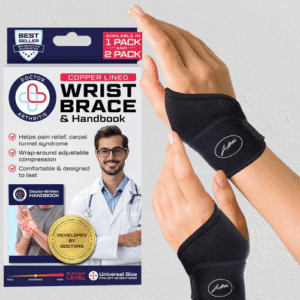
3. Dr. Arthritis Copper Wrist Support Sleeve
Price: ~$19.95
Best For: Mild pain, daily support, arthritis
Key Features:
- Copper-infused breathable fabric
- Compression sleeve design
- Suitable for both hands
- Comes with a doctor-written handbook
Pros:
- Lightweight and breathable
- Invisible under clothes
- Good for arthritis or wrist fatigue
Cons:
- No splint (not ideal for immobilization)
- Can lose elasticity over time
Why It’s Great:
If you need light compression and warmth, this sleeve is a subtle, effective solution for all-day relief—especially during work or study.
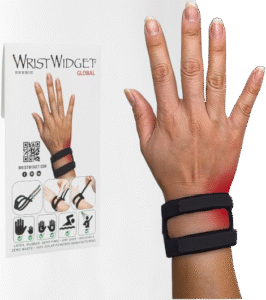
4. WristWidget Adjustable Wrist Support
Price: ~$29
Best For: TFCC injuries, ulnar pain, lifting support
Key Features:
- Unique strap design for side-wrist support
- Adjustable tension with Velcro
- Latex-free, washable material
- Works for both left and right wrists
Pros:
- Minimalist but powerful
- Excellent for sports, lifting, CrossFit
- Doesn’t limit finger movement
Cons:
- No palm support
- May take time to adjust properly
Why It’s Great:
Popular among lifters, athletes, and those with ulnar-sided wrist pain, the WristWidget is a surprisingly effective tool at a budget price.
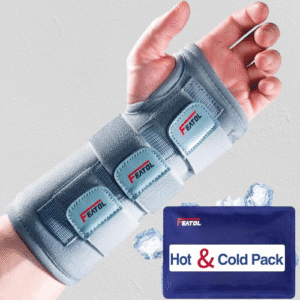
5. FEATOL Adjustable Wrist Support Brace
Price: ~$17
Best For: Moderate pain, night support
Key Features:
- Aluminum splint + two compression straps
- Moisture-wicking soft fabric
- Lightweight and breathable
- Universal sizing
Pros:
- High-quality construction for the price
- Adjustable for swelling
- Ideal for carpal tunnel recovery
Cons:
- Slightly stiff for all-day use
- Velcro may wear down with frequent washing
Why It’s Great:
For under $20, FEATOL delivers a brace with premium-like features, including splinting, adjustability, and reliable support.
Best Premium Wrist Braces (High-End Support): Medical-Grade Relief Worth the Investment
When it comes to severe wrist pain, post-surgery recovery, or long-term chronic conditions like carpal tunnel syndrome or arthritis, not just any wrist brace will do. You need a premium wrist brace—a device that combines medical-grade stability, comfort, and long-lasting durability.
In this guide, you’ll discover:
- The best high-end wrist braces trusted by doctors and therapists
- Which features justify a higher price point
- How premium braces compare in long-term durability and performance
🩺 Why Choose a Premium Wrist Brace?
Budget braces are great for minor aches or temporary relief, but if you’re:
- Recovering from wrist surgery
- Suffering from severe carpal tunnel or tendonitis
- Dealing with repetitive strain from work or sports
- In need of immobilization or daily stability
Then a high-end wrist brace is worth every dollar.
✅ Premium braces offer:
- Advanced medical-grade materials
- Stabilization splints that maintain correct wrist alignment
- Customizable compression and adjustability
- All-day wearability without discomfort
- Proven long-term durability
🏆 Top 5 Best Premium Wrist Braces (High-End)

1. DonJoy ComfortFORM Wrist Support Brace
Price: ~$35–$45
Best For: Carpal tunnel syndrome, post-surgical recovery
Why It’s Premium:
- Aluminum palmar stay offers exceptional stabilization
- Cushioned liner and breathable neoprene
- Dual tension straps allow for precision fitting
- Used in clinics and physical therapy centers
Pros:
- Excellent wrist immobilization
- Comfortable enough for all-day wear
- Long-lasting and machine washable
Cons:
- Bulkier than average
- More rigid—limits motion (as intended)
User Review:
“Wore this during post-op recovery. It’s high-quality, adjustable, and doctor-approved.” – ★★★★★
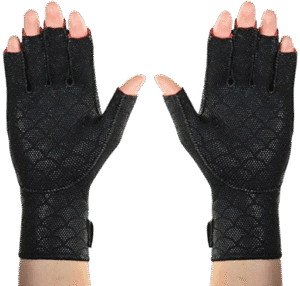
2. Thermoskin Carpal Tunnel Glove
Price: ~$40–$50
Best For: Carpal tunnel, arthritis, wrist fatigue
Why It’s Premium:
- Combines heat therapy with compression
- Trioxon lining increases circulation and healing
- Metal splint provides structured support
- Clinically recommended for nighttime relief
Pros:
- Warm and soothing for joint pain
- Excellent for cold climates and arthritis
- Highly therapeutic feel
Cons:
- May feel hot during summer
- Not for sports or high activity use
User Review:
“This brace changed my life for arthritis. The warmth is incredibly soothing.” – ★★★★☆
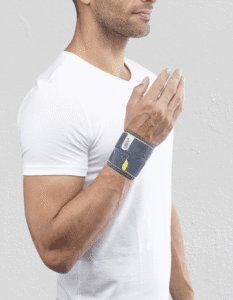
3. Push Sports Med Wrist Brace
Price: ~$50–$60
Best For: RSI, tendonitis, active use
Why It’s Premium:
- Slim, low-profile design with firm support
- Allows controlled movement—great for sports
- Adjustable strap for personalized compression
- Made in the Netherlands with advanced materials
Pros:
- Comfortable for active wear
- Long lifespan even with daily use
- Washable and hygienic
Cons:
- Expensive compared to simpler braces
- May not be rigid enough for post-surgery
User Review:
“I use it daily for sports and typing. Doesn’t limit motion, but protects perfectly.” – ★★★★★
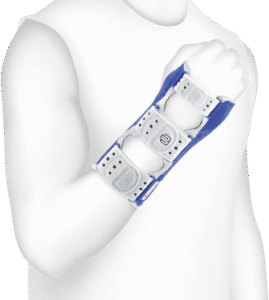
4. Bauerfeind ManuTrain Wrist Support
Price: ~$75–$90
Best For: Chronic wrist pain, high-performance support
Why It’s Premium:
- German-engineered knit compression
- Viscoelastic pads relieve pressure on nerves
- Anatomically shaped to fit snugly
- Breathable, moisture-wicking material
Pros:
- Premium-level comfort and effectiveness
- Medical-grade support without bulk
- Perfect for professionals or athletes
Cons:
- Pricey
- Not ideal for full immobilization
User Review:
“My physical therapist recommended it. Feels tailored and lasts forever.” – ★★★★★
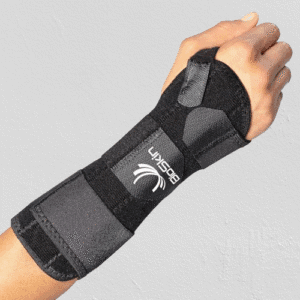
5. BioSkin DP2 Wrist Brace
Price: ~$60–$70
Best For: Moderate-to-severe wrist conditions
Why It’s Premium:
- Ultra-lightweight yet incredibly supportive
- Removable dorsal and palmar stays
- Micro-fleece lining for moisture control
- Thin profile fits under clothing
Pros:
- Advanced stability with flexibility
- Great for long-term use
- Customizable tightness and splint placement
Cons:
- Requires some adjustment to fit perfectly
- Not widely available in local stores
User Review:
“Helps with both support and circulation. I wear it for 10 hours at work.” – ★★★★☆
💎 Features That Justify the Higher Price
Premium Feature | What It Offers |
Medical-grade materials | Hypoallergenic, antimicrobial, breathable fabrics |
Adjustable splints | Personalized stabilization for different conditions |
Compression zones | Better blood flow, faster healing |
Custom fit design | No slipping or adjusting all day |
Durability | Lasts 6–12+ months with daily use |
Ergonomic shaping | Matches wrist contours, reducing fatigue |
Unlike basic braces, premium options combine comfort, clinical design, and longevity—making them ideal for serious users and recovery plans.
🔁 Long-Term Durability: Premium vs. Budget Comparison
Category | Premium Brace | Budget Brace |
Material Quality | High-end, reinforced, skin-safe fabrics | Basic neoprene or elastic |
Support Strength | Rigid or adjustable splints | Light-to-moderate support |
Fit & Adjustability | Custom contour, precision straps | One-size-fits-most |
Comfort Level | Breathable, seamless, anti-odor design | May overheat or cause irritation |
Life Expectancy | 6–12 months+ | 1–3 months |
Best For | Severe pain, post-op, chronic issues | Mild support, short-term use |
If you’re serious about healing, high performance, or daily comfort, investing in a premium brace saves money in the long run—especially if you’d otherwise replace cheap braces every few months.
👨⚕️ Who Should Use Premium Wrist Braces?
Premium wrist braces are recommended for:
- People with diagnosed carpal tunnel syndrome
- Post-operative patients recovering from wrist surgery
- Athletes with overuse injuries or tendonitis
- Office workers or gamers experiencing chronic RSI
- Anyone requiring daily long-term wrist stabilization
Doctors and physical therapists often prescribe high-end braces for structured support and to avoid surgical intervention in early stages of injury.
🧠 Quick Tips Before Buying a Premium Wrist Brace
✅ Consult your doctor or physical therapist if you have chronic wrist conditions.
✅ Measure your wrist circumference carefully—many high-end braces offer sizing charts.
✅ Check if the brace is hand-specific (left/right) or universal.
✅ Look for return policies or warranty—many premium brands offer quality guarantees.
✅ Choose based on intended use: night support, sports, daily typing, recovery, etc.
📝 Final Thoughts
Your wrists power nearly every part of your daily life—typing, lifting, driving, and even sleeping. If you’re struggling with pain, inflammation, or nerve compression, a high-end wrist brace can provide the stability and healing environment your body needs.
🏆 Quick Recap of Top Premium Wrist Braces:
- Best for Post-Surgery: DonJoy ComfortFORM
- Best for Arthritis Relief: Thermoskin Carpal Tunnel Glove
- Best for Active Use: Push Sports Med Wrist Brace
- Best for Chronic Conditions: Bauerfeind ManuTrain
- Best for Customization & Comfort: BioSkin DP2
Best Breathable & Lightweight Wrist Braces: Stay Cool and Supported All Day
Wrist braces are essential tools for healing and preventing injuries, but not all are designed with breathability in mind. If you’ve ever worn a wrist brace that made your skin sweat, itch, or feel suffocated, you know how important lightweight and ventilated designs are—especially in hot climates or long workdays.
In this guide, you’ll discover:
- The best breathable wrist braces for summer or all-day wear
- How to avoid sweating and skin irritation
- Top picks with mesh, moisture-wicking, and lightweight support
☀️ Why Breathability in Wrist Braces Matters
Most wrist braces are made with neoprene or elastic, which can trap heat and moisture. That’s fine for winter nights—but during summer or extended use, lack of airflow can lead to:
- Skin rashes or redness
- Excess sweating and odor
- Itching and discomfort
- Reduced compliance (users stop wearing the brace)
✅ The solution: Breathable, lightweight designs
Modern wrist braces now offer:
- Mesh fabric for airflow
- Perforated panels to reduce heat buildup
- Moisture-wicking linings to keep skin dry
- Low-profile frames that feel invisible under clothing
🏆 Top 5 Best Breathable & Lightweight Wrist Braces
These wrist braces are specially selected for their comfort, ventilation, and wearability—even in hot weather.
Wrist braces are essential tools for healing and preventing injuries, but not all are designed with breathability in mind. If you’ve ever worn a wrist brace that made your skin sweat, itch, or feel suffocated, you know how important lightweight and ventilated designs are—especially in hot climates or long workdays.
In this guide, you’ll discover:
- The best breathable wrist braces for summer or all-day wear
- How to avoid sweating and skin irritation
- Top picks with mesh, moisture-wicking, and lightweight support
☀️ Why Breathability in Wrist Braces Matters
Most wrist braces are made with neoprene or elastic, which can trap heat and moisture. That’s fine for winter nights—but during summer or extended use, lack of airflow can lead to:
- Skin rashes or redness
- Excess sweating and odor
- Itching and discomfort
- Reduced compliance (users stop wearing the brace)
✅ The solution: Breathable, lightweight designs
Modern wrist braces now offer:
- Mesh fabric for airflow
- Perforated panels to reduce heat buildup
- Moisture-wicking linings to keep skin dry
- Low-profile frames that feel invisible under clothing
🏆 Top 5 Best Breathable & Lightweight Wrist Braces
These wrist braces are specially selected for their comfort, ventilation, and wearability—even in hot weather.
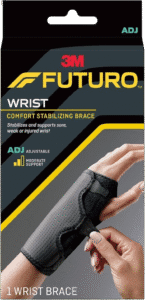
1. Futuro Comfort Stabilizing Wrist Brace
Best For: All-day use, typing, mild pain
Price: ~$20–$25
Why It’s Great:
- Soft, breathable fabric with ventilation zones
- Slim, supportive structure with stabilizing stay
- Moisture-wicking inner lining
- Ideal for computer users or summer days
Pros:
- Comfortable even after 8+ hours of use
- Lightweight and low-profile
- Good for early carpal tunnel symptoms
Cons:
- Not rigid enough for post-injury immobilization
User Review:
“Finally found a brace I can wear all day at work without sweating. It’s light and breathable.” – ★★★★★

2. DonJoy Advantage Elastic Wrist Support
Best For: Athletes, daily wear, summer support
Price: ~$15–$18
Why It’s Great:
- Elastic, breathable 4-way stretch fabric
- Provides light compression without bulk
- Open thumb design for airflow
- Easy to slip on/off with no Velcro
Pros:
- Super lightweight and cool
- Fits under gloves or sleeves
- Great for active users
Cons:
- Minimal structural support
- Not adjustable
User Review:
“It’s like a second skin—no heat, no sweat. I wear it for tennis.” – ★★★★☆
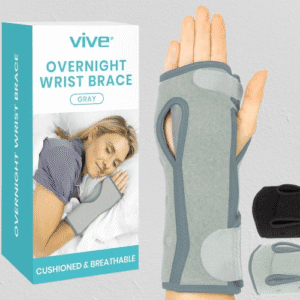
3. Vive Wrist Brace with Ventilation Mesh
Best For: Tendonitis, arthritis, carpal tunnel
Price: ~$18–$22
Why It’s Great:
- Removable splint with breathable mesh panels
- Adjustable straps for personalized fit
- Lightweight yet supportive for daily or night use
- Unisex and ambidextrous
Pros:
- Structured support without overheating
- Mesh zones keep wrist cool and dry
- Affordable for the quality
Cons:
- Velcro may weaken after months of use
- One size may not fit very small wrists
User Review:
“I sweat a lot, especially in the summer. This is the first brace that doesn’t soak through.” – ★★★★★
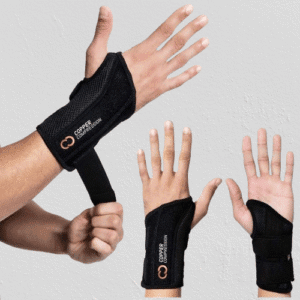
4. Copper Compression Wrist Sleeve
Best For: Light support, arthritis, gym use
Price: ~$15–$20
Why It’s Great:
- Thin, copper-infused compression fabric
- Ultra-lightweight and breathable
- Antimicrobial & anti-odor
- Ideal for typing, gaming, and lifting
Pros:
- Invisible under clothing
- Breathable for long-hour wear
- Helps with swelling and fatigue
Cons:
- No splint or rigid support
- Slightly looser fit over time
User Review:
“Perfect for summer office days. Feels like I’m wearing nothing, but it helps.” – ★★★★☆
5. Neo G Airflow Wrist Support
Best For: RSI, swelling, everyday use
Price: ~$20–$25
Why It’s Great:
- Special Airflow breathable fabric
- Slimline sleeve with mild compression
- Helps stabilize wrist without overheating
- Designed for sports or long shifts
Pros:
- Ideal for sweaty hands or humid climates
- No Velcro—pull-on design
- Good for early-stage wrist strain
Cons:
- Not suitable for immobilization
- Slightly tight for very large wrists
User Review:
“Florida heat is brutal, but this brace is breathable and soft all day.” – ★★★★★
🌬️ Key Features to Look for in a Breathable Wrist Brace
Feature | Why It’s Important |
Mesh fabric/panels | Allows air to circulate and reduce sweat |
Moisture-wicking lining | Keeps skin dry and prevents irritation |
Slim, lightweight design | Feels less bulky for summer or all-day wear |
Ventilated splint areas | Keeps brace cool even with built-in support |
Antimicrobial materials | Prevents odors, especially during long-term use |
Braces designed for work, workouts, or summer wear should prioritize these features for maximum comfort.
🔄 Breathable Braces vs. Traditional Neoprene Braces
Aspect | Breathable Braces | Traditional Braces |
Material | Mesh, Airflow, lightweight knit | Neoprene, heavy elastic |
Comfort in heat | Excellent – won’t trap sweat | Poor – retains moisture |
Daily wearability | Ideal for long hours | Better for short-term use |
Support level | Moderate to light (unless splinted) | Often more rigid or compressive |
Skin reaction risk | Low – often hypoallergenic and soft | Medium – can cause itching or redness |
Choose breathable braces for RSI prevention, arthritis, gaming/typing, or post-workout relief—and save neoprene models for nighttime immobilization or colder weather.
💡 Tips for Wearing Wrist Braces in Hot Weather
☀️ Apply baby powder or anti-chafing cream under the brace to absorb moisture
☀️ Choose open-thumb or sleeveless styles for better air circulation
☀️ Wash the brace weekly to prevent odor and bacteria buildup
☀️ Avoid leather or closed-cell foam materials during summer
☀️ Rotate two braces for freshness if worn daily
👌 Who Should Use Lightweight Wrist Braces?
Breathable wrist braces are perfect for:
- Office workers, writers, and gamers
- Construction workers or warehouse staff
- Athletes in hot-weather sports
- Individuals with arthritis or swelling in summer
- Anyone with sweaty skin or sensitivity to synthetic fabric
Even if you wear a rigid brace at night, having a breathable day brace will reduce discomfort and keep your skin healthy.
📝 Final Thoughts
Finding the right wrist brace isn’t just about support—it’s about comfort, airflow, and skin-friendly materials. Whether you work long hours at a desk, game for extended sessions, or deal with summer heat, a lightweight and breathable brace can make a huge difference.
🏆 Recap of the Best Breathable Wrist Braces:
- Best Overall Comfort: Futuro Comfort Stabilizing Brace
- Best for Athletes: DonJoy Advantage Elastic Support
- Best Mesh Design: Vive Brace with Ventilation Panels
- Best Compression Sleeve: Copper Compression Wrist Sleeve
- Best Airflow Fabric: Neo G Airflow Support
Stay cool. Stay comfortable. And keep your wrist supported—no matter the weather.
Best Adjustable Wrist Braces (Custom Fit): Tailored Support for Every Wrist
One-size-fits-all doesn’t always cut it—especially when it comes to wrist braces. Everyone’s wrist size, pain level, and daily routine is different. That’s why adjustable wrist braces are essential for achieving the perfect balance of support, comfort, and usability.
In this comprehensive guide, you’ll learn:
- The best adjustable wrist braces for a custom fit
- Pros and cons of Velcro, strap, and buckle systems
- How to adjust a brace for maximum comfort and stability
- Top picks with user-friendly designs
🧩 Why Adjustable Wrist Braces Matter
Whether you have arthritis, carpal tunnel syndrome, or are recovering from an injury, your wrist may:
- Swell at different times of day
- Require varying levels of compression
- Need precise alignment for healing
A properly adjusted brace:
- Prevents over-compression (which cuts off circulation)
- Avoids being too loose (which reduces effectiveness)
- Allows day vs. night flexibility in tightness
🔄 Types of Adjustment Systems: Which is Best?
1. Velcro Fasteners
Most common. Easy to apply, lightweight, and good for quick adjustments.
- ✅ Pros: Simple, customizable, widely available
- ❌ Cons: Can wear out over time, may catch on clothes
2. Strap & Loop System
Usually has multiple points of adjustment and better tension control.
- ✅ Pros: More precise compression control
- ❌ Cons: Slightly bulkier, takes longer to put on
3. Buckle or Hook Systems
Used in high-performance or athletic braces for durability and grip.
- ✅ Pros: Very secure, great for intense activity
- ❌ Cons: Less flexible, may feel rigid
Each system has its purpose. For most users, Velcro or strap systems strike the best balance of comfort and adjustability.
🏆 Top 5 Best Adjustable Wrist Braces (Custom Fit)
1. ComfyBrace Adjustable Wrist Support
Price: ~$20
Best For: Carpal tunnel, night support, typing
Adjustment System: Dual Velcro straps + thumb loop
Key Features:
- Metal splint for stability
- Breathable padded interior
- Universal fit (left or right)
- Great for sleeping or all-day wear
Pros:
- Simple to adjust on the fly
- Soft yet firm—great balance
- One size fits most wrists
Cons:
- Slightly bulky for smaller hands
- May feel warm during summer
User Review:
“Very easy to tighten or loosen depending on swelling. Best brace I’ve used so far.” – ★★★★★
2. Mueller Adjustable Wrist Stabilizer
Price: ~$25
Best For: Moderate wrist pain, tendonitis
Adjustment System: Three-strap Velcro system
Key Features:
- Rigid metal spoon for immobilization
- Adjustable palm, wrist, and forearm fit
- Soft inner lining for skin comfort
- Left/right specific models
Pros:
- Firm support with zero wrist movement
- Fully customizable compression
- Reliable for both day and night use
Cons:
- Too stiff for gaming or writing
- Not ambidextrous
User Review:
“I love how I can loosen it at night and tighten it for work. Great for tendon recovery.” – ★★★★☆
3. Vive Wrist Brace with Adjustable Splint
Price: ~$18
Best For: Carpal tunnel, arthritis, daytime use
Adjustment System: Three Velcro straps + removable splint
Key Features:
- Breathable mesh + neoprene blend
- Removable metal stay
- Universal left/right fit
- Soft and padded interior
Pros:
- Great value for price
- Flexible adjustability
- Comfortable for long hours
Cons:
- Velcro may lose strength with extended use
- Some users report tight thumb hole
User Review:
“The three straps let me fine-tune support depending on how my wrist feels.” – ★★★★★
4. FUTURO Adjustable Reversible Wrist Support
Price: ~$22
Best For: RSI, gym wear, swelling relief
Adjustment System: Wraparound Velcro strap + base support
Key Features:
- Sleek, flexible design
- Moderate compression
- Reversible for left or right wrist
- Thin enough for under sleeves
Pros:
- Lightweight and easy to use
- Perfect for mild support and mobility
- Good for workouts or long typing sessions
Cons:
- No rigid splint
- Not ideal for immobilization
User Review:
“Quick to adjust—perfect for wearing at the office or while gaming.” – ★★★★☆
5. Bioskin DP2 Wrist Brace (Advanced Adjustable Fit)
Price: ~$60 (Premium option)
Best For: Long-term use, post-injury, professional wear
Adjustment System: Micro-strap + customizable splint placement
Key Features:
- Ultra-slim and breathable
- Removable dorsal/palmar splints
- Fully customizable strap system
- Professional-grade materials
Pros:
- Most adjustable and durable
- Medical-grade design
- Excellent for chronic pain or instability
Cons:
- Premium price point
- Slight learning curve for fit
User Review:
“You get what you pay for. Most customizable brace I’ve found—worth every penny.” – ★★★★★
🎯 How to Adjust a Wrist Brace for Optimal Support
To get the best fit and performance, follow these steps:
1. Start with a neutral wrist position
Hold your wrist straight—not flexed or bent. Use a mirror if needed.
2. Tighten the palm strap first
Secure the area closest to your hand. It should be snug but not restrict blood flow.
3. Adjust the forearm/upper straps
This controls overall compression. Adjust until the brace feels firm but not painful.
4. Test wrist movement
You should feel supported without total stiffness (unless immobilization is required).
5. Readjust throughout the day
Swelling can change how tight a brace feels. Loosen or tighten as needed.
🙌 Benefits of Custom-Fit Wrist Braces
| Benefit | How It Helps |
| Adjustable compression | Supports changing pain and swelling levels |
| Improved circulation | Prevents over-tightening and nerve pinching |
| Personalized fit | Better comfort and less slippage |
| All-day usability | Flexible for work, rest, or activity |
| Long-term use | Reduces skin irritation and fit-related fatigue |
❓ Who Should Use Adjustable Wrist Braces?
Adjustable wrist braces are ideal for:
- Office workers or typists with RSI
- Athletes and gym-goers needing wrist control
- Carpal tunnel sufferers needing day/night flexibility
- People with arthritis or swelling variability
- Post-surgical or injury recovery patients
If you’re switching between tasks or environments, adjustability makes it easier to stay supported without discomfort.
💡 Quick Tips for Better Wrist Brace Use
✅ Always read the instruction manual—some braces have specific fitting techniques
✅ Wash weekly if worn daily to avoid odor or bacteria buildup
✅ Avoid overtightening—a brace should not numb your fingers
✅ Use hand exercises during breaks to prevent stiffness
✅ Have a second brace for rotation (especially if you wear it full-time)
📝 Final Thoughts
When it comes to wrist support, fit is everything. An adjustable wrist brace gives you control over your healing, comfort, and mobility—whether you’re working, gaming, typing, or sleeping.
🏆 Recap of the Best Adjustable Wrist Braces:
- Best Value Overall: ComfyBrace Adjustable Wrist Support
- Best for Immobilization: Mueller Stabilizer with 3-Strap System
- Best for Everyday Use: Vive Brace with Removable Splint
- Best Minimalist Fit: Futuro Reversible Wrist Support
- Best Premium Fit: BioSkin DP2 Custom Brace
Choose a brace that adapts to you, not the other way around.
Best Wrist Braces for Athletes (Sports Performance): Support Without Sacrificing Mobility
For athletes, wrists are under constant stress—whether it’s absorbing shock during a volleyball block, stabilizing a golf swing, or powering through a tennis serve. That’s why choosing the right wrist brace is essential to enhance performance, prevent overuse injuries, and maintain mobility without compromising protection. In this complete guide, you’ll discover:- The best wrist braces for sports like basketball, volleyball, tennis, and golf
- How to balance movement with stability
- Wrist brace features that help prevent common athletic injuries
🏋️ Why Athletes Need Specialized Wrist Braces
Athletes use their wrists in dynamic, high-impact movements that require:- Flexibility for performance
- Protection against hyperextension, sprains, and tendon stress
- Compression for circulation and inflammation control
Common sports-related wrist issues:
- Overuse injuries (tendonitis, RSI)
- Impact-related sprains
- TFCC (Triangular Fibrocartilage Complex) strain
- Wrist fatigue and instability
🏆 Top 5 Best Wrist Braces for Athletes
1. WristWidget Adjustable Wrist Support
Best For: Tennis, golf, CrossFit, TFCC injuries Price: ~$19 Why It’s Great for Athletes:- Designed specifically for ulnar-sided wrist pain (common in racquet and grip sports)
- Lightweight strap design allows full hand movement
- High tension support without bulky materials
- Washable and long-lasting for daily athletic use
- Maintains mobility for racquet swings
- Incredibly slim and minimalist
- Trusted by athletes and PTs worldwide
- Not for heavy-impact protection
- Takes a few uses to learn correct adjustment
2. McDavid Wrist Wrap Adjustable Brace
Best For: Basketball, volleyball, general sports Price: ~$15 Why It’s Great for Athletes:- Elastic wrap design for flexible compression
- Breathable fabric ideal for long games
- Low-profile fit under gloves or uniforms
- Adjustable tension based on your needs
- Easy on/off between games
- No restriction of motion
- Lightweight and sweat-resistant
- Not splinted—only compression
- May loosen with intense activity
3. DonJoy Performance Bionic Wrist Brace
Best For: Contact sports, powerlifting, martial arts Price: ~$40 Why It’s Great for Athletes:- Rigid brace design for serious stabilization
- Wraparound Velcro with padded liner
- High-impact resistant shell
- Great for recovering from sprains or protecting weak wrists
- Maximum protection for aggressive play
- Secure fit for heavy lifting and sports
- Durable enough for competitive use
- Slightly bulky
- May restrict range of motion (by design)
4. Copper Compression Recovery Wrist Sleeve
Best For: Running, cycling, baseball, tennis Price: ~$18 Why It’s Great for Athletes:- Lightweight copper-infused compression sleeve
- Moisture-wicking, odor-resistant
- Easy to wear during or after exercise
- Offers support without stiffness
- Perfect for preventing overuse
- Invisible under gear
- Great recovery option post-training
- Doesn’t offer rigid stabilization
- Compression may loosen over time
5. Pro-Tec Athletics Wrist Wrap
Best For: Golf, tennis, lifting, CrossFit Price: ~$22 Why It’s Great for Athletes:- Adjustable wrap with foam pad for support
- Neoprene blend offers warmth and compression
- Fits both left and right hands
- Helps reduce impact and torque injuries
- Easy to adjust mid-activity
- Ideal for sports involving swings or gripping
- Compact design
- May shift during intense movement
- Padding is minimal for high-contact sports
🏀 Wrist Brace Recommendations by Sport
| Sport | Recommended Brace | Why |
| Basketball | McDavid Adjustable Wrap | Light compression without limiting motion |
| Volleyball | DonJoy Performance Bionic | Strong protection from blocks/falls |
| Tennis | WristWidget or Copper Compression | Maintains swing mobility, relieves TFCC |
| Golf | Pro-Tec or WristWidget | Supports grip and reduces strain |
| MMA/Combat | DonJoy Performance Bionic | Impact protection during contact training |
| Baseball | Copper Compression or McDavid Wrap | Slim fit with recovery support |
⚖️ How to Balance Mobility & Protection
The challenge for athletes is finding the right balance between freedom of movement and injury prevention. Here’s how:For Mobility:
- Choose wraps or sleeves with elastic compression
- Avoid full splint braces unless recovering
- Make sure finger/thumb movement isn’t limited
For Protection:
- Choose structured designs or hybrid braces
- Look for materials like neoprene with padding or carbon inserts
- Adjust tension before each session depending on activity intensity
💥 Preventing Overuse Wrist Injuries in Sports
Wrist injuries from sports often occur due to:- Repetitive stress (swinging, dribbling, gripping)
- Sudden impact (falls, tackles)
- Lack of support or warm-up
Tips to prevent injury:
✅ Warm up wrists with mobility drills & stretches ✅ Use braces during high-risk activities ✅ Ice and rest after practice if soreness starts ✅ Gradually increase activity intensity ✅ Strengthen forearm and wrist muscles weekly A brace is a tool, not a substitute for proper conditioning—but it can significantly extend your performance and reduce injury risk.🔁 When to Switch Braces
As an athlete, your needs may change across a season. Here’s when to reassess your wrist brace:- 📅 Preseason: Use a light wrap or compression sleeve to build strength
- 💪 During competition: Wear a sport-specific support brace for protection
- 🤕 Post-injury: Use a more rigid or medical-grade brace for stabilization
- 💤 Recovery days: Opt for breathable, light compression during rest
🧠 Key Features to Look for in a Sports Wrist Brace
| Feature | Benefit |
| Adjustability | Customize fit for activity and swelling |
| Breathability | Prevents sweat and skin irritation during long sessions |
| Lightweight materials | Doesn’t interfere with performance |
| Durable construction | Withstands daily workouts and tough conditions |
| Slim profile | Fits under gloves or uniforms |
📝 Final Thoughts
For athletes, protecting your wrists is just as important as building strength. Whether you’re swinging a tennis racket, dribbling a basketball, or gripping a golf club, the right wrist brace can help prevent injuries, support healing, and enhance confidence.🏆 Recap – Best Wrist Braces for Athletes:
- Best for Racquet Sports: WristWidget
- Best for Compression & Recovery: Copper Compression Sleeve
- Best for Contact Sports: DonJoy Performance Bionic
- Best for Lightweight Performance: McDavid Wrap
Best Wrist Braces for Post-Surgery Recovery: Support, Stability & Healing
Recovering from wrist surgery requires more than just time—it demands the right post-operative wrist brace to protect, stabilize, and guide your wrist through each phase of healing. Whether you’ve undergone carpal tunnel release, fracture repair, or ligament reconstruction, choosing the best wrist brace for post-surgery recovery can make all the difference. In this detailed guide, you’ll learn:- The best doctor-recommended wrist braces for post-op support
- How wrist braces help with rehabilitation and healing
- Tips to avoid joint stiffness and promote healthy circulation
🩺 Why Post-Surgery Wrist Braces Are Essential
After wrist surgery, the body needs structured support to:- Protect the surgical site
- Prevent unintended motion
- Reduce swelling and inflammation
- Encourage proper joint alignment
- Aid tissue regeneration and blood flow
- Tear surgical sutures
- Delay recovery
- Cause nerve re-irritation or tendon strain
🏆 Top 5 Best Wrist Braces for Post-Surgery Recovery
1. DonJoy ComfortFORM Wrist Support
Best For: Post-carpal tunnel release, ligament repairs Price: ~$35–$45 Doctor Approved: ✅ Yes Why It Works for Recovery:- Aluminum stay provides firm immobilization
- Adjustable tension straps for customized compression
- Soft padding prevents skin irritation
- Breathable material for long-term wear
- Offers strong wrist stabilization
- Allows minor finger movement
- Used in clinical settings
- Not ideal for very small wrists
- Bulky under tight sleeves
2. Mueller Green Fitted Wrist Brace
Best For: Fracture healing, tendon repairs Price: ~$20–$25 Doctor Approved: ✅ Commonly recommended Why It Works for Recovery:- Molded rigid support holds wrist in neutral position
- Velcro straps allow adjustable compression
- Breathable, eco-friendly material
- Available in left/right hand specific models
- Affordable and effective
- Snug fit for targeted support
- Comfortable even when swelling occurs
- May feel stiff initially
- Not ambidextrous (buy correct side)
3. Bioskin DP2 Wrist Brace
Best For: Long-term recovery, orthopedic rehab Price: ~$60–$70 Doctor Approved: ✅ High-end medical brace Why It Works for Recovery:- Dual splints (dorsal and palmar) for structured healing
- Customizable strap system for compression control
- Moisture-wicking micro-fleece interior
- Slim profile fits under clothing
- Highly durable for extended recovery
- Allows adjustable fit as swelling reduces
- Ideal for daily wear and sleep
- Premium price
- Learning curve for correct fit
4. Vive Wrist Brace with Removable Splint
Best For: Moderate post-surgery support, daytime use Price: ~$18–$22 Doctor Approved: ☑ Often recommended for light rehab Why It Works for Recovery:- Removable metal splint allows adjustable stiffness
- Breathable blend of mesh and neoprene
- Three Velcro straps for precision adjustment
- Works for left or right wrist
- Flexible for progressive recovery
- Comfortable for daytime wear
- Affordable with good support
- Splint may shift if not tightly secured
- Velcro wears over time
5. BraceAbility Post-Surgical Immobilizing Wrist Brace
Best For: Initial post-op immobilization Price: ~$50–$65 Doctor Approved: ✅ Surgical brace category Why It Works for Recovery:- Medical-grade design for immobilization and swelling control
- Extra-long forearm support
- Anti-bacterial and hypoallergenic materials
- Adjustable D-ring straps for secure fit
- Ideal right after surgery
- High stability and comfort
- Prevents unintended wrist flexion
- Bulky for casual use
- Not suitable for advanced healing phases
🧠 How Wrist Braces Help in Post-Surgical Rehabilitation
1. Stabilization
Braces prevent bending, twisting, or stretching that could damage healing tissue.2. Compression
Reduces swelling and promotes lymphatic drainage, helping inflammation go down faster.3. Protection
Acts as a barrier against accidental bumps or overuse, especially in daily activity.4. Encouraging Blood Flow
Light compression helps keep blood circulating, which:- Speeds tissue healing
- Prevents numbness or stiffness
- Lowers risk of scar tissue formation
🧘 Avoiding Stiffness & Promoting Circulation
Wearing a brace continuously may lead to joint stiffness if not managed properly. Here’s how to balance immobilization and movement:✅ Tips:
- Do guided wrist movements with a therapist after your doctor allows
- Remove the brace periodically for light finger/wrist stretches (as advised)
- Elevate your wrist to reduce fluid buildup
- Use heat therapy or warm compresses to promote circulation
- Choose breathable, well-fitted braces to prevent over-compression
📅 Post-Surgery Recovery Timeline (Typical Guidance)
| Recovery Phase | Brace Role |
| 0–2 weeks (immediate post-op) | Full immobilization, rigid brace recommended |
| 2–4 weeks | Controlled support, compression to manage swelling |
| 4–6 weeks | Gradual mobility, semi-rigid or adjustable brace |
| 6+ weeks | Lightweight brace or sleeve for support during activity |
🧩 Key Features to Look for in a Post-Op Wrist Brace
| Feature | Why It Matters |
| Rigid splint or stay | Keeps wrist from bending or twisting |
| Adjustable straps | Accommodates swelling and custom fit |
| Breathable padding | Prevents sweat buildup and skin irritation |
| Removable splint | Helps transition from rigid to flexible support |
| Left/Right fit | Ensures precise alignment |
| Medical-grade design | Trusted by physicians and surgeons for recovery use |
👨⚕️ Who Should Use Post-Surgery Wrist Braces?
Post-operative wrist braces are ideal for:- Carpal tunnel surgery recovery
- Wrist fracture rehabilitation
- Tendon or ligament repairs
- Arthroscopic wrist procedures
- TFCC repair or partial fusion surgeries
💡 Additional Recovery Tips with Wrist Braces
✔ Keep your brace clean—wash the fabric parts weekly to avoid infections ✔ Rotate between two braces if wearing full-time ✔ Follow a physical therapy plan to regain motion once safe ✔ Avoid high-impact tasks even if pain has subsided ✔ Track progress with your doctor and upgrade brace types as you heal📝 Final Thoughts
A wrist brace isn’t just a support device—it’s an essential recovery partner. Choosing the right post-surgical wrist brace ensures comfort, protection, and progress from day one through full recovery.🏆 Recap: Best Wrist Braces for Post-Surgery Recovery
- Best Overall Stability: DonJoy ComfortFORM
- Best Affordable Pick: Mueller Fitted Wrist Brace
- Best Premium Customization: Bioskin DP2
- Best for Daytime Use: Vive Wrist Brace
- Best Immediate Post-Op: BraceAbility Surgical Immobilizer
Best Wrist Braces for Arthritis in Cold Weather: Thermal Support for Pain Relief
If you suffer from arthritis, you know how cold weather can worsen joint stiffness, swelling, and pain—especially in your wrists. As temperatures drop, your joints may feel tighter and more inflamed. That’s where thermal or heated wrist braces come in: they combine warmth and compression to relieve pain and maintain flexibility during winter. In this guide, you’ll discover:- The best heated and thermal wrist braces for arthritis
- How they help reduce stiffness and inflammation in cold conditions
- Real user experiences with warming wrist supports
❄️ Why Cold Weather Worsens Arthritis Pain
When temperatures drop:- Joints become less lubricated
- Muscles tighten and blood circulation slows
- Synovial fluid thickens, causing stiffness
- Barometric pressure drops, which some people feel in their bones
- Increased pain and discomfort
- Reduced grip strength
- Difficulty with daily tasks like writing, typing, or cooking
🧤 The solution? A thermal wrist brace that offers:
- Gentle compression
- Heat retention or infrared warming
- Support to reduce joint stress
🏆 Top 5 Best Wrist Braces for Arthritis in Cold Weather
1. Thermoskin Wrist Brace with Thermal Support
Best For: Rheumatoid arthritis, osteoarthritis Price: ~$35–$40 Why It’s Great for Winter:- Patented Trioxon® lining retains body heat
- Provides gentle heat therapy and compression
- Allows limited wrist motion for arthritis comfort
- Approved by medical professionals worldwide
- Delivers soothing warmth in cold weather
- Ideal for chronic arthritis sufferers
- Durable, long-lasting thermal performance
- Not breathable for hot climates
- Limited adjustability
2. ComfyBrace Heat Therapy Gel Wrist Wrap
Best For: Flare-up relief, cold climates Price: ~$25–$30 Why It’s Great for Winter:- Built-in microwaveable gel pad
- Provides moist heat therapy
- Soft fleece exterior for insulation
- Adjustable Velcro for custom fit
- Doubles as hot compress
- Comfortable for nighttime use
- Soothes wrist joints immediately
- Needs reheating after 20–30 mins
- Not wearable outside during activity
3. InfraCare Far Infrared Therapy Wrist Sleeve
Best For: Circulation improvement, long wear Price: ~$45–$55 Why It’s Great for Winter:- Uses far infrared (FIR) technology to stimulate blood flow
- Heat emitted through ceramic fiber blend
- Thin, glove-like compression fit
- Ideal for long-term, subtle warming
- Promotes circulation without batteries or heat packs
- Safe for all-day use
- Reduces pain during cold exposure
- Not immediately “hot” to the touch
- Higher price range
4. Copper Fit Rapid Relief Wrist Wrap with Hot/Cold Pack
Best For: Dual pain relief (heat & cold) Price: ~$20 Why It’s Great for Winter:- Comes with reusable hot/cold gel insert
- Adjustable compression wrap
- Copper-infused fabric to reduce odor & bacteria
- Helps reduce stiffness or swelling as needed
- Versatile—hot or cold therapy
- Budget-friendly
- Machine washable
- Bulky with gel pack inserted
- May shift during movement
5. IMAK Arthritis Wrist Sleeve
Best For: Gentle warmth, long-term wear Price: ~$18–$22 Why It’s Great for Winter:- Mild compression with heat retention
- Made from soft breathable cotton
- Can be worn day or night
- Recommended by the Arthritis Foundation
- Lightweight and flexible
- Provides constant soothing heat
- Easy to wear under gloves or at night
- Less structured support
- Not adjustable
🔥 How Thermal & Heated Wrist Braces Help Arthritis
| Benefit | How It Helps |
| Retained body heat | Keeps joints lubricated and relaxed |
| Increased circulation | Promotes healing and reduces inflammation |
| Warm compression | Eases pain and stiffness without medication |
| Reduced muscle tension | Loosens surrounding tissues to allow better mobility |
| Moist heat therapy | Penetrates deeper to soothe inflammation and joint pain |
🌡️ Heat vs. Cold for Arthritis:
- Heat = Best for stiffness, chronic pain, and winter use
- Cold = Best for swelling or sudden flare-ups
🌬️ Cold Weather Arthritis Relief Tips (Beyond the Brace)
While wrist braces provide direct warmth and support, here are other effective tips to relieve arthritis in cold seasons:✅ Daily Habits:
- Drink warm fluids to raise body temperature
- Stretch your hands and wrists every morning
- Use paraffin wax treatments weekly
- Wear thermal gloves over wrist braces outside
- Avoid smoking—it restricts circulation
- Consider electric hand warmers when not using a brace
💬 Real User Experiences: What People Say
🔹 “I can’t make it through winter without my Thermoskin brace—it literally saves my hands.” – Sarah T. 🔹 “The infrared sleeve doesn’t feel hot, but it works all day and makes typing less painful.” – Mark D. 🔹 “The gel pad brace is great before bed. I microwave it and my hands don’t ache at night anymore.” – Lisa M. 🔹 “Cold air used to make my arthritis unbearable. Now I wear my wrist sleeves under gloves and it’s 100% better.” – John H.🧠 Key Features to Look for in Winter Arthritis Braces
| Feature | Why It Matters |
| Heat retention fabric | Keeps wrist joints warm for pain relief |
| Adjustable compression | Manages inflammation and swelling |
| Built-in heating options | Provides therapeutic warmth on demand |
| Soft inner lining | Prevents skin irritation or cold contact |
| Breathability | Allows all-day use without sweat discomfort |
📝 Final Thoughts
For arthritis sufferers, winter can be brutal on the wrists. But the right thermal or heated wrist brace can turn that stiffness into comfort, letting you get through your day (and night) with less pain and more movement. Whether you prefer built-in gel warmth, infrared technology, or heat-retaining compression sleeves, these wrist braces offer real relief when the temperature drops.🏆 Recap – Best Wrist Braces for Arthritis in Cold Weather:
- Best Overall Heating: Thermoskin Thermal Wrist Support
- Best for Instant Relief: ComfyBrace Microwave Gel Wrap
- Best Infrared Circulation Aid: InfraCare FIR Wrist Sleeve
- Best Hot/Cold Combo: Copper Fit Rapid Relief Wrap
- Best for Sleep & All-Day Use: IMAK Arthritis Wrist Sleeve
Best Wrist Braces for Bilateral Support (Both Wrists): Dual Relief for Daily Living
Wrist pain is hard enough when it affects one hand—but when both wrists are in pain, even the simplest tasks can become overwhelming. Whether caused by carpal tunnel syndrome, arthritis, repetitive strain injury (RSI), or tendonitis, some conditions require bilateral wrist support to reduce strain and aid in recovery. In this guide, you’ll learn:- Common conditions that require wrist braces on both hands
- The best cost-effective double-pack wrist braces
- Helpful tips for living with two wrist braces daily
🩺 Why You Might Need Wrist Braces on Both Hands
Certain medical conditions or occupations can lead to bilateral wrist pain, meaning you’ll need to support both wrists simultaneously.🔄 Common Conditions That Require Bilateral Support:
- Carpal Tunnel Syndrome (both wrists) – Often triggered by typing, driving, or repetitive tasks
- Rheumatoid Arthritis or Osteoarthritis – Causes inflammation and joint pain in both wrists
- Bilateral Tendonitis or RSI – Repetitive tasks like typing, gaming, or factory work
- Diabetes-related Neuropathy – Nerve issues often affect both hands symmetrically
- Pregnancy-related Carpal Tunnel – Hormonal swelling may affect both wrists
- Post-surgery or rehabilitation – After simultaneous procedures or injury management
🏆 Top 5 Best Wrist Braces for Bilateral Support
These wrist braces come in affordable pairs, offer ambidextrous design, and provide reliable compression and stability.1. ComfyBrace Night Wrist Sleep Support – 2 Pack
Best For: Carpal tunnel, nighttime use Price: ~$30 (set of 2) Why It’s Great:- Soft, breathable material ideal for extended use
- Adjustable Velcro straps for a snug fit
- Metal splint for immobilization
- Ambidextrous design—fits both left and right wrists
- Comfortable for sleep
- Affordable 2-pack deal
- Secure fit with full coverage
- Bulky for daytime wear
- Not ideal for workouts or typing
2. FEATOL Adjustable Wrist Support Brace – Left & Right Set
Best For: Tendonitis, arthritis, general wrist pain Price: ~$28 for left + right pack Why It’s Great:- Strong metal splints for stabilization
- 3 adjustable compression straps
- Soft and breathable lining
- Designed specifically for each hand
- Doctor-recommended design
- Custom fit for left and right wrists
- Great for daily or overnight use
- May feel stiff for active tasks
- Large hands may require upsizing
3. Dr. Arthritis Copper-Infused Wrist Sleeves – Pair
Best For: Mild arthritis, everyday support Price: ~$22–$26 Why It’s Great:- Compression sleeve design with copper lining
- Lightweight and flexible
- Ideal for work, computer use, or mild pain relief
- Machine washable and breathable
- Easy to wear for long hours
- Helps reduce inflammation and stiffness
- Great for active or desk work
- No rigid support
- Not ideal for post-injury stabilization
4. Copper Compression Wrist Wraps – 2 Pack
Best For: Gym use, RSI, tennis elbow, mild wrist pain Price: ~$18–$20 Why It’s Great:- Wrap design allows variable compression
- Copper-infused fabric fights odor and bacteria
- One size fits both left and right wrists
- Lightweight for sports and all-day use
- Super versatile and discreet
- Ideal for preventive use or light support
- Budget-friendly 2-pack
- Doesn’t immobilize the wrist
- Needs occasional readjustment during activity
5. Velpeau Flexible Wrist Braces – Ambidextrous Pair
Best For: Light to medium support needs Price: ~$25 Why It’s Great:- Breathable mesh with ergonomic fit
- Soft aluminum support bar (removable)
- Thin enough to wear while typing or cooking
- Comfortable for long-term dual use
- Sleek, not too bulky
- Washable and durable
- Great for bilateral use throughout the day
- Minimal immobilization
- May slide if worn loosely
💰 Cost-Effective Dual-Brace Buying Tips
🛍️ What to Look For:
| Feature | Why It Matters |
| 2-Pack or Left + Right Set | Saves money versus buying two single braces |
| Ambidextrous Fit | Simplifies sizing and usage |
| Adjustable Straps | Essential for managing wrist swelling |
| Durability | You’ll be using both—so quality materials are a must |
| Easy Cleaning | Look for washable designs if using daily |
🧠 Tips for Daily Life with Braces on Both Wrists
Wearing wrist braces on both hands can feel awkward at first—but these strategies can help you adapt faster and stay comfortable.🧩 Everyday Tips:
- Use adaptive tools like jar openers, zipper pulls, and easy-grip utensils
- Keep Velcro straps at balanced tightness to avoid overcompressing
- Give your skin a break every few hours if wearing braces all day
- Wear braces overnight to allow daytime flexibility if needed
- Use speech-to-text tools to reduce typing strain
- Rotate between support levels—switch from rigid to soft braces depending on activity
🚫 What to Avoid:
- Wearing wet or unclean braces
- Over-tightening—cuts off circulation
- Ignoring pain or swelling under the brace
🏠 Best Tasks to Modify When Wearing Dual Braces
| Activity | Recommended Change |
| Cooking | Use pre-chopped vegetables or kitchen tools with grips |
| Typing | Use ergonomic keyboard or voice dictation tools |
| Driving | Choose wrist supports that allow safe steering grip |
| Grooming | Opt for electric toothbrushes and razors |
| Lifting objects | Ask for help with heavy items or use forearm support |
🔁 When to Wear Both Braces (And When Not To)
✅ Wear Both Braces:
- During typing, writing, or repetitive motion
- While sleeping (to prevent flexing and pressure)
- During flare-ups, swelling, or post-surgery
- While commuting or driving long distances
❌ Avoid Wearing Both:
- While showering or in high-moisture settings
- If one wrist is significantly more painful (targeted treatment may help more)
- If circulation is affected or fingers become numb
📝 Final Thoughts
When wrist pain strikes both hands, finding the right dual-support wrist braces can help you regain control of your daily life. Whether you need firm stabilization for carpal tunnel or light compression for arthritis, the market now offers affordable, comfortable, and effective options in pairs.🏆 Recap – Best Wrist Braces for Bilateral Support:
- Best for Sleep: ComfyBrace 2-Pack
- Best Structured Support: FEATOL Left & Right Set
- Best Lightweight Compression: Dr. Arthritis Copper Sleeves
- Best Budget Wraps: Copper Compression 2-Pack
- Best for All-Day Use: Velpeau Ambidextrous Pair
How to Properly Wear a Wrist Brace: A Complete Step-by-Step Guide
Wearing a wrist brace seems simple—until you realize improper fit can lead to more pain, poor circulation, or even delayed recovery. Whether you’re recovering from an injury, managing arthritis, or preventing strain, learning how to properly wear a wrist brace is crucial for optimal support and comfort. This comprehensive guide covers:- A step-by-step fitting tutorial
- Common mistakes that reduce effectiveness
- Tips on tightening vs. loosening your brace
🧤 Why Fit Matters When Wearing a Wrist Brace
A wrist brace is designed to:- Immobilize or support the wrist joint
- Apply therapeutic compression
- Prevent excessive motion or further injury
- Cut off circulation
- Fail to protect the wrist properly
- Cause numbness, tingling, or discomfort
- Create dependency or weaken muscles
✅ Step-by-Step Guide: How to Wear a Wrist Brace Properly
🪛 Step 1: Choose the Right Brace for Your Condition
Different types of wrist braces serve different purposes:- Rigid braces: for immobilization (fractures, post-surgery)
- Compression sleeves: for mild pain or RSI
- Adjustable wrap braces: for tendonitis or arthritis
👋 Step 2: Prepare Your Wrist
- Make sure your skin is clean and dry
- Remove jewelry or watches
- If advised by a doctor, apply any topical medications or padding
🧷 Step 3: Slide or Wrap the Brace Onto Your Hand
- If it’s a pull-on sleeve, gently slide your hand in, aligning the thumb hole.
- If it’s a wrap-style brace, open all straps first, place your hand flat, palm-down, and align the wrist joint with the splint area.
- Your thumb is comfortably aligned
- Your fingers remain free and mobile
- The brace sits snug on your forearm and wrist, not your palm
🎯 Step 4: Align the Splint (If Included)
Many braces have a built-in metal or plastic splint.- The splint should sit under the wrist, supporting the palm-side
- In some braces, splints are removable and should match your injury location (dorsal vs. palmar support)
🔄 Step 5: Secure Straps (Not Too Tight!)
Secure the straps from bottom to top (forearm toward hand):- Start with moderate tension
- Make sure each strap is flat, not twisted
- Avoid cutting off circulation—fingers should not turn pale or feel cold
👌 Step 6: Check for Movement & Comfort
Once fitted:- Flex your fingers—they should move freely
- Try light wrist movements—there should be gentle resistance or restriction, depending on the brace type
- No pinching, digging, or sliding should occur
⚠️ Common Mistakes to Avoid
Wearing a wrist brace incorrectly can worsen your condition or create new discomfort. Avoid these errors:❌ Mistake 1: Wearing It Too Tight
- Can restrict blood flow and cause numbness
- Look for signs like cold fingers, swelling, or tingling
❌ Mistake 2: Ignoring Strap Order
- Always follow the designed tightening sequence
- Bottom-to-top tightening provides the best structural support
❌ Mistake 3: Wearing It All Day Without Breaks
- Unless instructed by your doctor, remove the brace every few hours
- Give your skin a break and do light, approved exercises if needed
❌ Mistake 4: Using the Wrong Brace Type
- A compression sleeve won’t help a fracture
- A rigid splint brace may limit needed motion during recovery
❌ Mistake 5: Dirty or Wet Brace
- Bacteria buildup can cause skin irritation or odor
- Always wear a clean, dry brace—wash as per manufacturer instructions
🎚️ When to Tighten or Loosen Your Wrist Brace
The right tension varies depending on your condition and activity level.| Situation | Brace Tension Recommendation |
| Sleeping | Slightly looser—enough to prevent movement but stay comfortable |
| Working (typing, lifting, etc.) | Moderately tight—should support the wrist without limiting circulation |
| Swollen wrist or post-surgery | Looser with soft compression—adjust as swelling changes |
| Physical therapy | Follow therapist’s instructions—may loosen during exercises |
- Fingers turning blue or numb = too tight
- Brace slipping or rotating = too loose
- Pain outside of injury area = poor fit or alignment
⌚ How Long Should You Wear a Wrist Brace?
This depends on your diagnosis and recovery phase:| Condition | Suggested Wear Time |
| Carpal Tunnel Syndrome | At night + during repetitive tasks |
| Arthritis | As needed during flare-ups or cold days |
| Tendonitis / RSI | 4–6 hours daily or during activity |
| Fracture recovery | As prescribed—typically full-time initially |
| Post-surgery | Per doctor’s orders—often full-time for 2–6 weeks |
🧼 How to Care for Your Wrist Brace
- Wash weekly: Use mild detergent, hand wash if needed
- Air dry: Do not machine dry—it may warp splints or straps
- Replace when worn: Velcro loses grip, splints deform, or odor develops
💡 Expert Tips for Better Fit & Function
✔ Wear a thin moisture-wicking liner under your brace to reduce friction ✔ Buy a backup brace if wearing it full-time—rotate between clean ones ✔ Label braces left/right if you use them on both hands ✔ Use mirror or video to check alignment during first few uses ✔ Store brace flat and dry when not in use📝 Final Thoughts
A wrist brace can provide powerful relief—but only when worn properly. By following a few simple steps and avoiding common mistakes, you’ll:- Maximize healing
- Stay comfortable all day
- Prevent secondary issues like swelling or nerve compression
🏁 Quick Recap – How to Wear a Wrist Brace Correctly:
- Choose the right brace for your condition
- Clean and prep your wrist
- Align the brace correctly
- Tighten straps from bottom up
- Ensure comfort without cutting circulation
- Remove periodically if not under 24/7 use
Wrist Brace Maintenance & Cleaning Tips: Keep It Fresh, Functional & Long-Lasting
Wrist braces provide essential support for conditions like carpal tunnel, arthritis, tendonitis, and post-surgery recovery. But like any wearable medical device, your wrist brace needs regular care to remain hygienic, effective, and comfortable. A dirty or worn-out brace can lead to skin irritation, poor support, and even bacterial growth—especially with long-term wear. This comprehensive guide covers:- How to wash and care for your wrist brace
- Signs it’s time to replace an old brace
- Hygiene tips to extend the lifespan of your support gear
🧼 Why Wrist Brace Maintenance Matters
Whether you wear your wrist brace for hours a day or only during sleep, it’s constantly exposed to:- Sweat and skin oils
- Dead skin cells
- Bacteria and allergens
- Friction and pressure from movement
- Foul odor and visible grime
- Rashes, itching, or contact dermatitis
- Degraded Velcro, fabric, or splints
- Reduced structural support and hygiene
🧽 How to Wash Your Wrist Brace (Step-by-Step)
✅ Step 1: Read the Manufacturer’s Label
Before anything, check the care tag or product instructions. Some braces are machine washable, others are hand wash only, and a few may require spot-cleaning or air drying only.✅ Step 2: Remove Any Splints or Inserts
If your brace has a metal or plastic splint, remove it before washing. Most are designed to be taken out easily through a side pocket.✅ Step 3: Hand Wash in Mild Soap & Lukewarm Water
Best method for most braces:- Fill a bowl with lukewarm water (not hot!)
- Add a few drops of mild detergent (baby shampoo or dish soap)
- Gently scrub the brace with your hands or a soft brush
- Focus on sweat-prone areas like the wrist pad and straps
✅ Step 4: Rinse Thoroughly
Make sure all soap residue is gone. Detergent left in the fabric can cause itching and stiffness.✅ Step 5: Air Dry Completely
- Lay the brace flat on a clean towel
- Pat off excess water
- Leave it in a cool, well-ventilated area
- Avoid direct sunlight or dryers—they warp materials
🌀 Can You Machine Wash a Wrist Brace?
Some compression sleeves or soft wrap-style braces are machine washable. Only do this if:- The care label explicitly says so
- You remove all rigid inserts or splints
- You use a mesh laundry bag
- You select a gentle or delicate cycle with cold water
🔁 How Often Should You Clean Your Wrist Brace?
| Usage Type | Cleaning Frequency |
| Daily/all-day wear | Every 2–3 days or twice weekly |
| Workout/gym wear | After each sweaty session |
| Night-only wear | Once per week |
| Occasional/part-time use | Biweekly or when visibly dirty |
🧽 How to Keep Your Wrist Brace Clean Between Washes
- Spot-clean with baby wipes or damp cloth after workouts
- Sprinkle baking soda inside for odor control
- Use antibacterial spray (non-alcoholic) on the exterior
- Keep it in a ventilated area, not a sealed gym bag
- Wash your hands before putting on the brace
⏳ When to Replace an Old Wrist Brace
Even with good care, wrist braces don’t last forever. Over time, wear and tear will reduce the support and hygiene effectiveness.🔁 Replace your wrist brace if:
- Velcro won’t stick securely anymore
- The brace loses shape or structure
- Splint bends or pokes through fabric
- It smells musty or sour even after washing
- There are holes, frayed edges, or thinning areas
- You’ve worn it daily for more than 3–6 months
🛡️ How to Prolong the Lifespan of Your Brace
🔧 Pro Care Tips:
| Tip | Why It Helps |
| Clean regularly | Prevents buildup of odor and bacteria |
| Rotate between 2 braces | Reduces wear and tear |
| Store in a clean, dry area | Avoids mildew and warping |
| Remove splints before washing | Prevents bending and damage |
| Tighten gently | Avoids overstretching straps or elastic |
| Follow the care label | Preserves stitching and padding integrity |
👃 How to Deal With Odor in Wrist Braces
If your wrist brace smells even after washing, try:- Soaking in 1 part white vinegar to 3 parts water for 30 minutes
- Using sports gear sprays with natural deodorizing agents
- Freezing the brace overnight (kills odor-causing bacteria)
- Air-drying in direct sunlight briefly for UV disinfection
🧼 Hygiene Tips for Long-Term Wear
Wearing a wrist brace for weeks or months? Follow these daily habits to stay clean and comfortable:🧤 Skin Care:
- Wash your hands and wrist before and after wear
- Apply moisturizer or barrier cream to prevent chafing
- Check for skin irritation, redness, or rashes regularly
- Use cotton liners or sleeves if you’re sensitive to neoprene or nylon
🧼 Brace Hygiene:
- Don’t share your brace with others
- Label your brace if used in a shared home or facility
- Keep an extra brace for backup and travel
🚿 Can You Shower with a Wrist Brace?
In most cases: No. Wrist braces should be removed before bathing or showering unless specifically made to be waterproof (very rare). Wet braces:- Lose shape
- Harbor bacteria
- Take too long to dry
- Can cause skin maceration or fungal infections
- Wrap with a plastic cover or waterproof sleeve
- Switch to a removable waterproof brace or soft wrap as advised by a physician
📝 Final Thoughts
Your wrist brace works hard to support you—return the favor with proper care. By washing, drying, and storing it correctly, you’ll ensure:- Longer product life
- Hygienic, skin-friendly wear
- Continued joint support and comfort
🏁 Quick Recap – Wrist Brace Cleaning & Maintenance:
- Hand wash with mild soap; air dry
- Clean 2–3 times/week for daily wear
- Avoid bleach and machine drying
- Replace if Velcro fails, structure weakens, or odor persists
- Maintain skin hygiene under the brace
Final Verdict: Which Wrist Brace Is Right for You?
After exploring dozens of wrist braces tailored to specific conditions, activities, and lifestyles, it’s time to answer the most important question: Which wrist brace is right for you? Whether you’re recovering from an injury, managing chronic pain, or preventing strain, the right brace can dramatically improve comfort, mobility, and healing.
In this conclusive guide, we’ll:
- Summarize the best wrist braces by condition and purpose
- Help you choose based on your lifestyle needs
- Show you where to buy high-quality, trusted wrist braces
🩺 Best Wrist Braces by Condition (Quick Summary)
Here’s a breakdown of the top recommended wrist braces based on common medical conditions:
| Condition | Recommended Brace | Key Benefit |
| Carpal Tunnel Syndrome | ComfyBrace Night Wrist Support | Nighttime relief, splint immobilization |
| Arthritis | IMAK Arthritis Wrist Sleeve | Compression + warmth for joint stiffness |
| Tendonitis & De Quervain’s | FEATOL Adjustable Wrist Brace | Moderate support, daily flexibility |
| Sprains & Fractures | Velpeau Rigid Wrist Splint | Strong immobilization for recovery |
| Weightlifting & Gym Use | Copper Compression Wrist Wraps | Adjustable support with flexibility |
| Gaming & Typing (RSI) | Dr. Arthritis Copper Wrist Sleeve | Slim, breathable support for computer users |
| Sleeping (Night Support) | ComfyBrace Night Wrist Brace – 2 Pack | Gentle immobilization and comfort |
| Cold Weather Arthritis | Thermoskin Thermal Support Brace | Heat-retaining fabric eases stiffness |
| Bilateral Support (Both Wrists) | FEATOL Left + Right Brace Set | Balanced support, cost-effective pair |
| Post-Surgery Recovery | Mueller Green Line Reversible Brace | Medical-grade stabilization |
| Budget-Friendly | Wellgate for Women Slimfit Brace | Effective and under $20 |
| Premium Option | Push MetaGrip Medical Wrist Brace | Long-lasting, ergonomic medical support |
| Breathable Use | DonJoy ComfortFORM Wrist Support | Ventilated design for all-day comfort |
| Adjustable Fit | FUTURO Adjustable Wrist Brace | Velcro + support bar with customizable fit |
| Athletes & Sports | McDavid Wrist Wrap Strap | Low-profile support without restricting motion |
Each of these has been selected for its effectiveness, comfort, durability, and real-user feedback.
🎯 How to Choose Based on Your Lifestyle
You don’t need a medical degree to choose the right brace—just match your daily needs and activity level to the features that matter most.
🧑💻 If You Work at a Computer:
- Prioritize low-profile, compression-based braces
- Avoid bulky splints during the day
- Best picks: Dr. Arthritis Copper Wrist Sleeve, FUTURO Slim Design
🛏️ If You Need Nighttime Relief:
- Look for soft-lined splint braces that prevent wrist bending
- Comfort is key; no digging straps or rough edges
- Best picks: ComfyBrace Night Support, Mueller Night Support
💪 If You’re Physically Active or Lift Weights:
- Use wrap-style or adjustable braces
- Aim for wrist stabilization without full immobilization
- Best picks: Copper Fit Wraps, McDavid Wrist Wrap
❄️ If You Live in a Cold Climate:
- Choose thermal or infrared fabric
- Arthritis tends to flare in cold—add compression and warmth
- Best picks: Thermoskin, InfraCare FIR Brace
👵 If You Have Chronic Arthritis or Joint Pain:
- Use mild compression sleeves or padded flexible braces
- Avoid overly rigid braces that reduce range of motion
- Best picks: IMAK, DonJoy ComfortFORM
🧼 If You Sweat or Wear All Day:
- Go with breathable mesh or cotton-lined options
- Look for machine-washable braces with quick-dry materials
- Best picks: DonJoy, Velpeau Flexible Brace
🧠 Personalization Checklist
Before you buy, ask yourself:
| ✅ Question | 💡 What to Look For |
| Do I need support for a specific condition? | Choose by diagnosis: CTS, arthritis, sprain, RSI |
| Will I wear it all day or just at night? | Comfort, breathability, or padded splints |
| Do I need flexibility or immobilization? | Compression sleeve vs. rigid support brace |
| Is budget a concern? | Start with reliable braces under $25 |
| Do I want long-term durability? | Look for medical-grade or premium designs |
| Do I need support on both hands? | Choose a 2-pack or ambidextrous brace |
| Will I sweat or overheat in it? | Opt for ventilated or moisture-wicking materials |
🛍️ Where to Buy Trusted Wrist Braces (Online & In-Store)
🛒 Online Retailers
- Amazon – Best for variety, reviews, budget & premium options
- Walmart.com – Good budget selection with fast shipping
- Target.com – Affordable options, often seasonal sales
- Brace-specific sites – e.g., Mueller Sports Medicine, Thermoskin USA
💼 Medical & Specialized Retailers
- BetterBraces.com – Trusted orthopedic products
- AliMed, BraceAbility – Rehab and post-op solutions
- Your local DME supplier or pharmacy
🏥 In-Person (For Immediate Support)
- CVS / Walgreens – Try on sizes and talk to a pharmacist
- Medical supply stores – Best for surgery recovery or custom fittings
- Orthopedic clinics – Ask about prescription-grade braces
💡 Tip: Always compare return policies and warranties, especially for higher-priced braces.
👨⚕️ When to Talk to a Doctor
If you’re unsure which brace to choose, especially for:
- Post-surgical care
- Long-term arthritis
- Repetitive nerve pain or numbness
- Children or elderly patients
Always consult your physician or physical therapist. A professional evaluation ensures you get the right fit, support level, and usage time for your recovery.
📝 Final Thoughts
There’s no one-size-fits-all solution when it comes to wrist support. The best wrist brace for you depends on your condition, lifestyle, comfort needs, and usage patterns.
With the wide range of options now available—from soft sleeves to medical-grade splints—you can finally find a brace that:
- Relieves pain
- Promotes healing
- Fits your daily life
Whether you need night relief from carpal tunnel, support for daily typing, or a durable wrap for lifting weights—the right brace is out there.
✅ Final Recap: Best Wrist Brace for Every Need
| Need | Top Pick |
| Carpal Tunnel Syndrome | ComfyBrace Night Wrist Support |
| Arthritis (Cold Weather) | Thermoskin Thermal Wrist Support |
| Typing / Gaming RSI | Dr. Arthritis Copper Compression Sleeve |
| Sports / Weightlifting | Copper Fit Wraps / McDavid Strap |
| Post-Surgery Immobilization | Mueller Green Line Wrist Brace |
| Budget Option | Wellgate Slimfit (Under $20) |
| Premium Long-Term Brace | Push MetaGrip or Breg Wrist Braces |
| Both Wrists Support | FEATOL 2-Brace Combo Pack |