Best New, Back Brace
The Ultimate Guide to Protein Powder: 5 Best Products for 2025
Aug
What is Protein Powder?
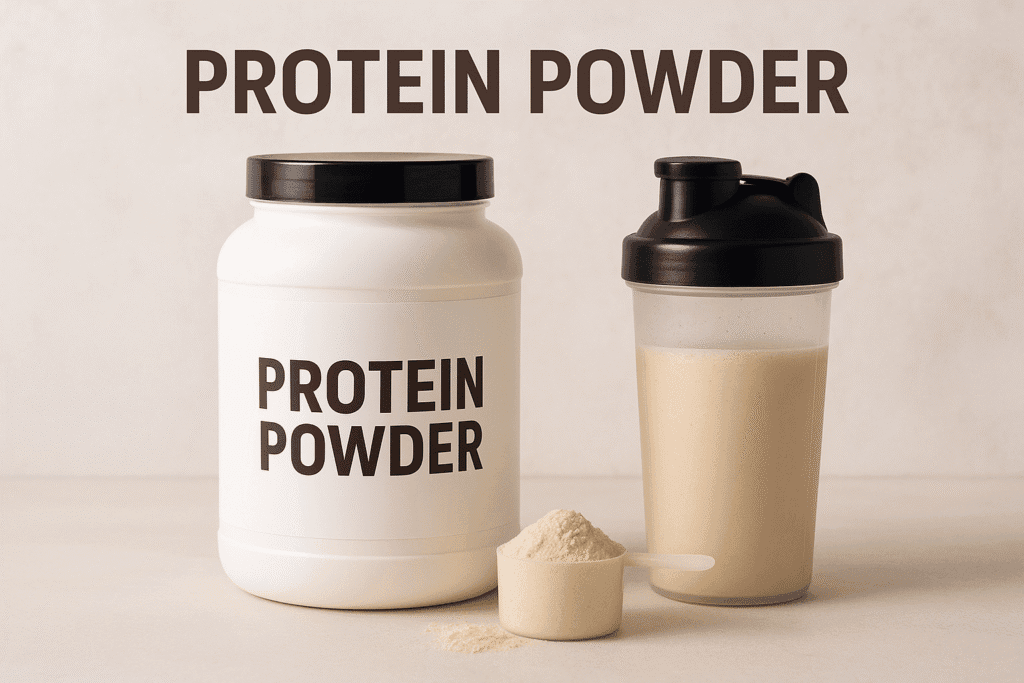
Protein powder is a popular dietary supplement designed to help individuals increase their daily protein intake. Protein, an essential macronutrient, plays a crucial role in building and repairing tissues, producing enzymes and hormones, and supporting overall body functions. While we can get protein from natural food sources like meat, fish, eggs, dairy, legumes, and nuts, many people use protein powder for convenience, faster absorption, and to meet higher protein needs—especially athletes, bodybuilders, or those with specific dietary goals.
Types of Protein Powder
Protein powders are available in various forms, depending on the source of protein and processing methods:
-
Whey Protein – The most popular and widely researched type, derived from milk during cheese production. It’s rich in essential amino acids and quickly absorbed, making it ideal for post-workout recovery.
-
Casein Protein – Also from milk, but digested more slowly. It provides a steady release of amino acids, making it suitable before bedtime for overnight muscle repair.
-
Soy Protein – A plant-based option containing all essential amino acids. It’s a good choice for vegetarians and those avoiding dairy.
-
Pea Protein – Made from yellow split peas, it’s rich in branched-chain amino acids (BCAAs) and easy to digest.
-
Rice Protein – Plant-based and hypoallergenic, though not a complete protein by itself. Often blended with other sources for a balanced amino acid profile.
-
Blended Plant Proteins – A mix of plant sources (e.g., pea, hemp, chia) to provide a complete amino acid spectrum.
Benefits of Protein Powder
-
Muscle Growth and Recovery – Helps repair muscle fibers damaged during exercise and promotes growth.
-
Weight Management – High-protein diets can reduce appetite, boost metabolism, and help preserve muscle during fat loss.
-
Convenience – Quick to prepare and portable, perfect for busy lifestyles.
-
Support for Dietary Restrictions – Useful for vegetarians, vegans, or people with limited access to high-protein foods.
How to Use Protein Powder
Protein powder can be mixed with water, milk, or plant-based milk alternatives. It’s also common to blend it into smoothies, oatmeal, yogurt, or baked goods. The recommended serving size varies, but most scoops contain 20–30 grams of protein. The ideal daily intake depends on individual goals—generally, active adults may aim for 1.2–2.0 grams of protein per kilogram of body weight.
Possible Side Effects
For most healthy individuals, protein powder is safe in moderate amounts. However, excessive intake may lead to digestive discomfort, bloating, or kidney strain in people with pre-existing kidney issues. Choosing a high-quality product without unnecessary additives, artificial sweeteners, or fillers is important.
Conclusion
Protein powder is not a magic solution, but it’s a convenient and effective tool for meeting protein needs. Whether your goal is building muscle, losing fat, or simply maintaining a healthy diet, it can be a valuable addition—provided it complements a balanced eating plan rich in whole foods.
Who Should Use Protein Powder?
Protein powder can be useful for many people, especially when meeting daily protein needs through food alone is difficult. Athletes and bodybuilders often use it to support muscle growth and recovery after intense training. Those trying to build muscle or lose weight benefit from its ability to boost protein intake without adding excessive calories. Vegetarians and vegans may use plant-based protein powders to fill nutritional gaps in their diets. Busy professionals and students find it a quick and portable meal option, while older adults can use it to maintain muscle mass and strength as they age. People recovering from surgery, illness, or injury may need extra protein for healing. Pregnant or breastfeeding women can also benefit, but only with medical approval. While convenient, protein powder should complement—not replace—whole food sources such as meat, fish, eggs, dairy, legumes, and nuts, which provide additional nutrients. It works best as part of a balanced diet tailored to personal goals and health needs.
5 Key Benefits of Protein Powder
-
Supports Muscle Growth and Recovery
Protein is essential for repairing and building muscle tissue, especially after workouts. Protein powder provides a quick and efficient way to deliver amino acids to muscles, promoting faster recovery and growth. -
Aids in Weight Management
High-protein diets can reduce appetite, increase feelings of fullness, and help preserve muscle during fat loss. A protein shake can replace higher-calorie snacks, supporting weight control. -
Convenience and Portability
Preparing a protein-rich meal isn’t always possible, especially for busy people. Protein powder offers a fast, easy-to-carry option for meeting daily protein goals on the go. -
Supports Special Dietary Needs
Vegetarians, vegans, and individuals with dietary restrictions may struggle to get enough complete protein. Plant-based protein powders can fill nutritional gaps without animal products. -
Helps Maintain Muscle with Age
As people get older, muscle loss (sarcopenia) becomes more common. Adding protein powder to the diet can help maintain muscle mass, strength, and mobility.
Types of Protein Powder (Which One is Best for You?)
Protein powders come in different types, each with unique benefits. Choosing the right one depends on your fitness goals, dietary needs, and digestion preferences.
1. Whey Protein
-
Source: Milk (byproduct of cheese-making)
-
Benefits: High in essential amino acids, especially BCAAs; fast absorption—ideal for post-workout recovery.
-
Best For: Athletes, bodybuilders, and those aiming to build muscle quickly.
2. Casein Protein
-
Source: Milk
-
Benefits: Slow-digesting, providing a steady release of amino acids; great for overnight recovery.
-
Best For: People who want a long-lasting protein source, especially before bed.
3. Soy Protein
-
Source: Soybeans
-
Benefits: Plant-based, complete protein with all essential amino acids; contains isoflavones for heart health.
-
Best For: Vegans, vegetarians, and those avoiding dairy.
4. Pea Protein
-
Source: Yellow split peas
-
Benefits: Hypoallergenic, easy to digest, high in BCAAs; suitable for sensitive stomachs.
-
Best For: People with allergies or lactose intolerance seeking a vegan option.
5. Rice Protein
-
Source: Brown rice
-
Benefits: Gentle on digestion; good amino acid profile but not complete on its own.
-
Best For: Those with multiple food allergies—often combined with pea protein for completeness.
6. Blended Plant Proteins
-
Source: Combination of pea, hemp, chia, quinoa, etc.
-
Benefits: Offers a complete amino acid profile while remaining plant-based.
-
Best For: Vegans who want balanced nutrition from multiple plant sources.
✅ Bottom Line:
-
For fast muscle recovery → Choose Whey
-
For slow, steady release → Choose Casein
-
For vegan/plant-based diets → Choose Soy or Blended Plant Proteins
-
For sensitive digestion/allergies → Choose Pea or Rice Protein
5 Best Protein Powders of 2025 – Detailed Reviews
1. OptiPro Gold Whey – Best All-Around Choice
Why it’s great:
This whey protein blend offers 24 g of high-quality protein per serving with excellent mixability and smooth taste. It’s ideal for both beginners and seasoned athletes who want a reliable, everyday supplement. The quick absorption makes it perfect for post-workout recovery, while the range of flavors keeps it enjoyable long-term.
Best For: General fitness, muscle recovery, and everyday use.
2. HydroMax ISO+ – Fastest Absorption
Why it stands out:
Made with hydrolyzed whey isolate, HydroMax ISO+ delivers 25 g of protein that’s absorbed rapidly by the body. It’s extremely low in carbs and fat, making it an excellent choice for people following strict diets or those who want minimal digestive stress.
Best For: Post-workout refueling and individuals with sensitive digestion.
3. GreenFuel Organic Plant Protein – Best Vegan Option
Why you’ll love it:
This clean, plant-based blend combines pea, rice, and chia proteins to provide 21 g of complete protein. It’s organic, gluten-free, and free from artificial additives. The mild flavor mixes well with smoothies, making it easy to incorporate into a daily routine.
Best For: Vegans, vegetarians, and anyone looking for a clean-label protein source.
4. ProBlend 4-Phase Protein – Best for Sustained Release
Why it’s unique:
ProBlend combines whey, casein, egg white, and milk proteins for a timed-release effect. This means your body gets a steady supply of amino acids for hours, helping reduce muscle breakdown and keeping you fuller for longer.
Best For: Long training days, meal replacement, and nighttime recovery.
5. NutriGreens Protein Plus – Best Nutrient Boost
Why it’s special:
This protein powder pairs 20 g of plant-based protein with nutrient-rich greens like spinach, kale, and spirulina. It supports muscle recovery while also delivering antioxidants and vitamins for overall health.
Best For: Plant-based eaters who also want a superfood boost in their shakes.
How to Choose the Best Protein Powder for Your Goals
Choosing the right protein powder isn’t just about grabbing the most popular brand—it’s about matching the product to your fitness objectives, dietary needs, and lifestyle. Here’s a step-by-step guide to help you pick the perfect one for your goals:
1. Identify Your Goal
-
Muscle Building & Strength: Go for whey protein isolate or concentrate because they’re rich in essential amino acids and absorb quickly.
-
Weight Loss & Fat Loss: Choose a low-calorie, low-carb option like whey isolate or a plant-based blend without added sugars.
-
Meal Replacement & Satiety: Casein or a protein blend works best due to slow digestion, keeping you full for hours.
-
General Health & Wellness: A balanced plant-based or whey option with added nutrients (like greens or probiotics) can support overall nutrition.
2. Consider Dietary Restrictions
-
Vegan/Vegetarian: Opt for pea, soy, hemp, or blended plant proteins.
-
Lactose Intolerance: Choose whey isolate (low lactose) or plant-based protein.
-
Allergies: Look for hypoallergenic proteins like rice or pea protein.
3. Check the Protein Content Per Serving
Aim for 20–30 grams of protein per scoop. More protein isn’t always better—quality and amino acid profile matter just as much as quantity.
4. Look at the Ingredients List
Avoid powders with excessive added sugars, artificial sweeteners, fillers, or unnecessary additives. A clean, minimal ingredient list is a good sign of quality.
5. Match the Absorption Speed to Your Needs
-
Fast Absorption: Whey isolate/hydrolyzed whey for post-workout recovery.
-
Slow Release: Casein or protein blends for sustained amino acid delivery.
6. Test for Taste & Mixability
A protein powder you enjoy drinking is one you’ll actually use consistently. Try small packs or sample sizes before committing to a big tub.
7. Check for Third-Party Testing
Look for certifications like Informed-Choice, NSF Certified for Sport, or USP Verified to ensure purity and safety.
✅ Bottom Line:
The best protein powder for you is one that aligns with your fitness goals, fits your diet, tastes good, and is made from clean, safe ingredients. Think of it as a tool to complement your nutrition—not replace whole foods.
FAQs About Protein Powder
Here are some of the most common questions people have about protein powder, along with clear, easy-to-understand answers:
1. What is protein powder?
Protein powder is a dietary supplement made from concentrated protein sources such as whey, casein, soy, pea, or rice. It provides an easy way to increase protein intake for muscle growth, recovery, weight management, or general nutrition.
2. Who should use protein powder?
Protein powder is helpful for athletes, bodybuilders, vegetarians, vegans, older adults, busy professionals, and anyone who struggles to meet daily protein needs through food alone.
3. How much protein powder should I take per day?
Most adults aiming for fitness goals consume 20–30 grams per serving, 1–2 times per day, depending on total daily protein needs. Your ideal intake depends on your weight, activity level, and diet.
4. When is the best time to take protein powder?
-
Post-workout: Helps repair and build muscles quickly.
-
Morning or between meals: Supports muscle maintenance and curbs hunger.
-
Before bed (casein protein): Slow digestion provides amino acids overnight.
5. Is protein powder safe?
Yes, for most healthy adults, moderate consumption is safe. Avoid excessive use, especially if you have kidney issues. Always choose high-quality products with minimal additives.
6. Can I use protein powder without exercising?
Yes, but the extra protein will mainly support overall nutrition rather than muscle growth. Overconsumption without activity may contribute to extra calorie intake.
7. Is plant-based protein as effective as whey?
Plant-based proteins like pea, soy, or blends can be just as effective if they provide all essential amino acids. Blended plant proteins often match whey’s amino acid profile.
8. Can protein powder help with weight loss?
Yes, it can reduce appetite, increase satiety, and preserve muscle during calorie restriction, making it easier to lose fat while maintaining lean mass.
9. How do I choose the right protein powder?
Consider your goals, dietary restrictions, taste preference, absorption rate, and quality certifications. Whey is great for fast muscle repair, casein for slow release, and plant proteins for vegan or allergy-friendly options.