
Weight Vest
Best Rated Weight Vest of 2025 – Reviews & Buying Guide
Aug
Reviewed By Abu Bakar Siddique
Tested by Fatema Akter
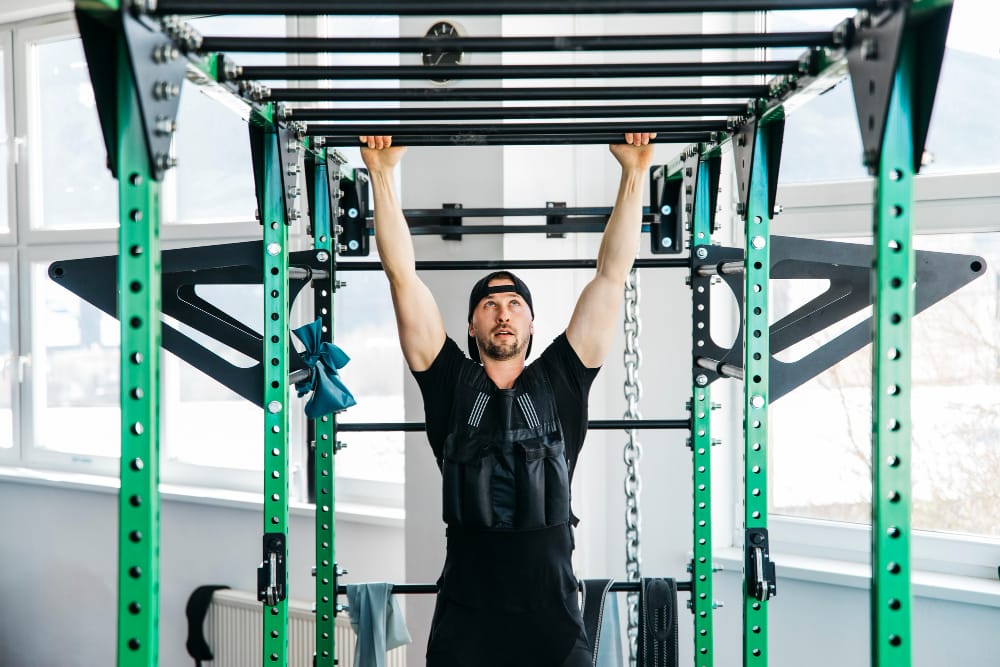
A weight vest is one of the easiest ways to make your workouts harder—and your results better. Slip one on for push-ups, pull-ups, squats, runs, or even a brisk walk, and you’ll instantly feel the difference. The extra weight forces your muscles, lungs, and heart to work harder, leading to faster gains in strength, endurance, and calorie burn.
The tricky part? Picking the right vest. Some are built tough for heavy lifting and rucking, while others are designed for speed, agility, and cardio. Comfort, fit, and durability all matter just as much as the weight itself.
In this guide, we’ve reviewed and compared the best rated weight vests of 2025, from compact plate carriers to flexible, form-fitting options. Whether you’re a CrossFit athlete, a dedicated runner, or just want to add an extra challenge to your daily routine, you’ll find a vest here that fits your goals—and your budget.
Best Weight Vest Overall: ZELUS Weighted Vest
The ZELUS Weighted Vest offers 25 lb iron-sand load, durable neoprene build, reflective safety, and storage pockets for versatile training use.
Key Specs
Type: Weight Vest
Weight Options: 25 lb
Material: Neoprene + Iron Sand
Size Range: One Size Fits Most
Color: Black

Weighted vests have become popular tools for boosting workout intensity, and the ZELUS Weighted Vest is a standout option thanks to its balance of affordability, durability, and versatility. Available in weights ranging from 6 to 30 pounds, it caters to beginners and seasoned athletes alike, allowing users to progressively increase resistance for strength and endurance gains.
One notable feature of the ZELUS vest is its reflective stripe, which improves visibility and safety during outdoor workouts in low-light conditions. The vest is made from durable, sweat-resistant fabric that holds up well during tough exercise sessions. Adjustable straps ensure a snug, secure fit, preventing the vest from shifting and helping evenly distribute the weight across the torso. This design promotes proper posture and comfort during dynamic movements like running, hiking, or bodyweight exercises such as push-ups and squats.
Using the vest adds extra resistance, making your muscles and cardiovascular system work harder, which enhances strength, endurance, calorie burning, and even bone density over time. This makes it a useful tool for weight loss, muscle building, and overall fitness improvement.
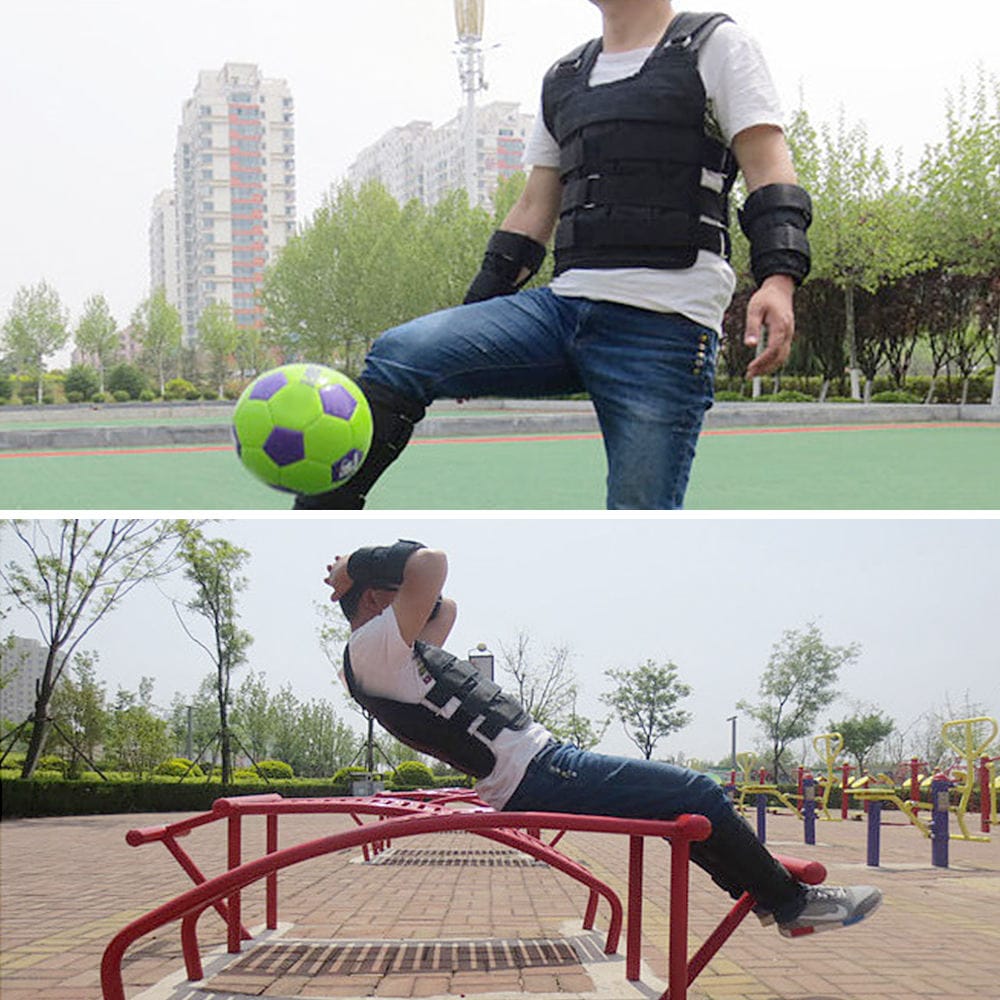
That said, the vest isn’t without drawbacks. Some users find it challenging to get a perfect fit if they have very small or larger body frames. Padding is minimal, so extended wear may cause discomfort, especially on the shoulders. Weight increments between options can be quite large, making it difficult for those who want to progress more gradually. The vest can also cause overheating during cardio workouts and isn’t designed for water-based activities. Additionally, the weights can shift slightly inside the vest, occasionally creating noise during movement.
Despite these minor issues, most users praise the ZELUS Weighted Vest for its solid construction, safety features, and value. While it lacks some premium comfort features found in higher-end vests, it covers all the essentials well and suits a wide variety of fitness needs.
Pros
-
Wide range of weight options (6–30 lbs)
-
Adjustable straps provide a secure, customizable fit
-
Durable, sweat-resistant materials
-
Reflective stripe enhances outdoor safety
-
Even weight distribution improves comfort and balance
-
Affordable compared to many other weighted vests
Cons
-
May not fit very small or large body types perfectly
-
Minimal padding can cause discomfort during longer sessions
-
Large weight increments limit gradual progression
Best Weight Vest for CrossFit: PACEARTH Weighted Vest
The PACEARTH Weighted Vest offers adjustable weights, durable design, and comfortable fit, enhancing strength training and cardio workouts effectively.
Key Specs
Type: weighted vest
Weight Options: 4–10 lb
Material: Soft, durable neoprene exterior
Size Range: various sizes
Color Options: Black, Gray, and Pink
Summery
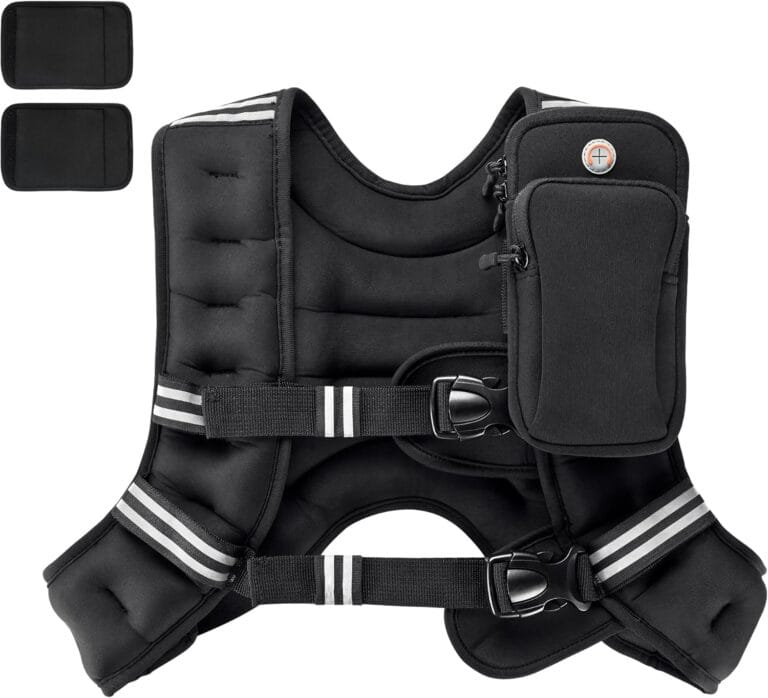
The PACEARTH Weighted Vest is a versatile fitness accessory designed to help users increase workout intensity through added resistance. Unlike traditional weighted vests that use rigid plates, this vest uses high-density iron sand packed into small, flexible compartments. This design allows the vest to conform closely to your body, providing a more comfortable and natural fit that moves with you during exercise.
One of the vest’s key features is its ergonomic X‑shape design, which evenly distributes weight across the torso to maintain good posture and reduce strain. Adjustable straps ensure a snug fit for various body sizes, making it suitable for a wide range of users. The vest is made from durable neoprene, a sweat-resistant and flexible material that minimizes chafing and discomfort during workouts. To combat odor, the iron sand weights are treated with charcoal, making the vest more pleasant to wear over time.
Weight options range from about 4 pounds up to 30 pounds, with the ability to add or remove sand packs to customize the load. This makes it easy to progress gradually and tailor the vest to different workout types, including strength training, running, hiking, and bodyweight exercises.
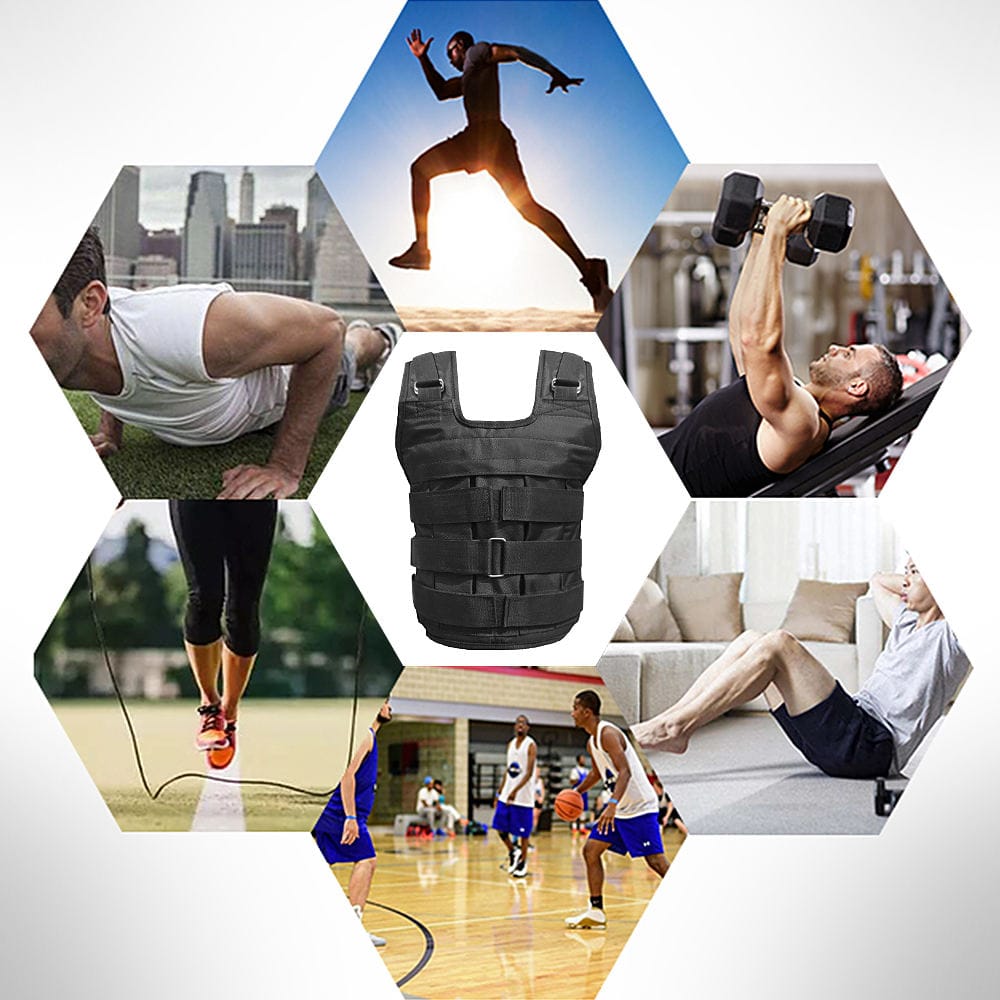
The vest also includes a reflective stripe for added safety during outdoor workouts in low-light conditions. Users appreciate its comfort, adjustability, and multi-purpose use, finding it effective for improving strength, endurance, and calorie burn.
However, some drawbacks include slight shifting of the iron sand weights during intense, high-impact exercises, which can be distracting. The neoprene material may also retain heat, causing discomfort during longer cardio sessions or in warmer weather. Additionally, because the vest is less rigid than plate-based alternatives, it may not offer the same level of support for heavy lifting.
Overall, the PACEARTH Weighted Vest offers an excellent balance of comfort, durability, and adjustability at a reasonable price, making it a great choice for most fitness enthusiasts seeking to intensify their workouts.
Pros
-
Flexible iron sand weights conform to the body
-
Ergonomic design distributes weight evenly
-
Adjustable fit with secure straps
Cons
-
Weights may shift slightly during high-impact exercises
-
Can retain heat, causing discomfort during intense cardio
-
Less rigid, providing less support for heavy lifting

Best Weight Vest : Hyperwear Hyper Vest Elite
A sleek, Cordura-made weighted vest offering customizable weight (up to ~25 lb), snug fit, breathability, reflective details—ideal for high-intensity workouts.
Key Specs
Type: Adjustable weighted vest
Weight: 10–25 lb, fine-tune with 2.25 oz bars
Material: Cordura® + 4-way stretch Lycra®
Sizes: S–XL
Color: Black with reflective accents
The Hyperwear Hyper Vest Elite is a premium adjustable weighted vest designed for serious fitness enthusiasts who value both comfort and performance. Built from tough Cordura® fabric paired with Lycra® four-way stretch panels, it delivers a snug, body-contoured fit without restricting movement. Its unique side-lacing system allows for a high degree of customization, ensuring the vest fits securely on a wide range of body types while maintaining breathability. Unlike bulky weight vests that can bounce or shift during workouts, the Hyper Vest Elite’s low-profile design hugs the torso, making it comfortable for dynamic movements like running, jumping, or high-intensity interval training.
The vest’s standout feature is its adjustable weight system, using thin 2.25-ounce steel bars that can be easily inserted or removed to fine-tune resistance. Depending on the size, the vest can hold up to about 25 pounds, with the weight evenly distributed around the torso for balanced training. This even distribution reduces strain on the shoulders and back, making it more comfortable to wear for extended periods. The adjustability also makes it versatile for multiple training styles — from light resistance for endurance training to heavier loads for strength and conditioning work.
The construction reflects durability and long-term use. Cordura® fabric is well-known for its abrasion resistance, meaning the vest can withstand rigorous training sessions indoors or outdoors without wearing down quickly. The stretch panels allow the vest to move with your body, so it feels less like a rigid piece of gear and more like an extension of your workout apparel. The inclusion of reflective details is a thoughtful touch for those who train outdoors, improving visibility during early morning or evening sessions.
Another strength of the Hyper Vest Elite is its versatility. It can be worn during bodyweight exercises, running, CrossFit, martial arts, or even everyday tasks to add extra calorie burn. Because of its slim profile, it can be layered under clothing, making it less conspicuous than traditional weighted vests. The breathable design helps manage heat buildup, a common complaint with heavier or poorly ventilated models, meaning you can train harder without feeling suffocated by your gear.
However, the vest is not without its drawbacks. While it excels in comfort and adjustability, the maximum weight capacity may be insufficient for advanced strength athletes looking for extreme resistance. The price point is also on the higher side compared to basic weighted vests, which may deter casual users. Additionally, while the slim profile is great for mobility, it does limit how much weight can be added compared to bulkier designs.
For those prioritizing comfort, durability, and versatility over sheer load capacity, the Hyperwear Hyper Vest Elite offers an exceptional training tool that blends high performance with thoughtful design. It is well-suited for athletes who need reliable gear that adapts to different workout styles, whether indoors or outdoors, without compromising mobility or breathability.
Pros:
-
Comfortable, snug fit with excellent mobility
-
Highly adjustable weight in small increments
-
Durable Cordura® and Lycra® construction
-
Breathable and low-profile design
-
Reflective details for outdoor visibility
Cons:
-
Relatively high cost
-
Lower max weight compared to some bulkier vests
-
May not satisfy extreme strength training needs
Compare our Top Picks
| Feature | FUFF Adjustable Vest | Hyperwear Hyper Vest ELITE | Sport Weighted Vest |
|---|---|---|---|
| Weight Options | 4–10 lb | 10–25 lb | 25 lb |
| Material | Neoprene | Cordura® + Lycra® | Neoprene + Iron Sand |
| Size Range | One size fits most | S–XL | One size fits most |
| Color Options | Black, Gray, Pink | Black | Black |
| Reflective Strips | Yes | Yes | No |
| Storage Pockets | Yes | No | No |
| Ideal For | Beginners, low-impact | High-intensity workouts | Strength training |
| Price | ~$32.28 | ~$296.99 | ~$32.28 |
Benefits of Weight Vests
Weighted vests have become increasingly popular in fitness and training circles, offering a unique and effective way to enhance workouts. Wearing a weighted vest can bring a variety of benefits that contribute to improving strength, endurance, bone density, and overall athletic performance. The simple addition of extra weight, distributed evenly across the torso, forces the body to work harder during a range of activities, from walking and running to strength training and bodyweight exercises. This added resistance intensifies the workout without significantly altering natural movement, making weighted vests a versatile training tool.
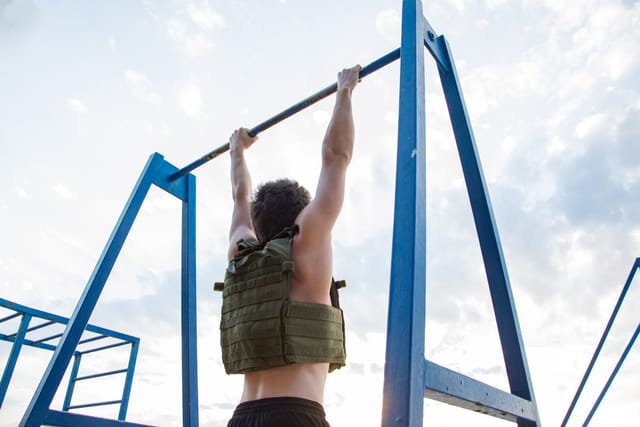
One of the primary advantages of using a weighted vest is its ability to increase muscular strength and endurance. When wearing the vest, the body must exert more force to perform movements, which challenges muscles to adapt and grow stronger over time. This can be particularly beneficial for bodyweight exercises such as push-ups, pull-ups, squats, and lunges, where adding external weights traditionally requires the use of dumbbells or barbells. The vest allows for progressive resistance without requiring additional equipment, helping to break through strength plateaus and build muscle more efficiently. Over time, the muscles become more resilient and capable of handling greater loads, translating to improved performance in both athletic and daily activities.
In addition to muscular benefits, weighted vests are highly effective for cardiovascular conditioning. By increasing the weight carried during aerobic activities such as walking, jogging, or hiking, the heart and lungs must work harder to supply oxygen to the working muscles. This heightened cardiovascular demand can improve heart health, boost stamina, and accelerate calorie burning, contributing to better weight management and overall fitness. Because the extra load is distributed evenly, it avoids placing undue stress on any single joint, making it a safer alternative to carrying handheld weights or wearing backpacks. As a result, individuals can extend the duration and intensity of their workouts, leading to enhanced endurance and improved aerobic capacity.
Weighted vests also have a positive impact on bone health, which is especially important as people age. The additional resistance stimulates bone remodeling and increases bone density by encouraging the bones to adapt to the increased load. This process can help prevent or slow down the progression of osteoporosis, reducing the risk of fractures and promoting stronger, healthier bones. Unlike many traditional forms of exercise, weighted vests provide a convenient way to add resistance to weight-bearing activities such as walking or stair climbing, which are known to benefit bone strength. Regular use of a weighted vest, combined with a balanced diet rich in calcium and vitamin D, can contribute to long-term skeletal health.
Another notable benefit is improved posture and balance. The added weight of the vest requires the wearer to engage the core muscles to maintain stability and proper alignment. This engagement helps strengthen the muscles that support the spine, reducing the likelihood of slouching or poor posture. Furthermore, training with a weighted vest challenges the body’s proprioception—the sense of spatial awareness—enhancing balance and coordination. These improvements are not only beneficial for athletes but also for everyday activities and injury prevention, especially in older adults who may be more prone to falls. The vest thus serves as a practical tool for functional fitness, helping individuals maintain independence and mobility as they age.
From a metabolic perspective, wearing a weighted vest during workouts increases energy expenditure. The body burns more calories to move the additional weight, which can aid in fat loss and weight control. This makes weighted vests an excellent choice for those looking to maximize the efficiency of their exercise routines. By intensifying low-impact activities like walking or hiking, a weighted vest transforms a moderate workout into a more challenging session without requiring more time or distance. This can be especially appealing for people with busy schedules who want to get more out of their exercise in less time.
Weighted vests also offer mental and psychological benefits. The challenge of training with extra weight can boost motivation and enhance the sense of accomplishment when goals are met. The physical feedback of feeling stronger and more capable encourages consistency and persistence in training programs. Additionally, because weighted vests can be worn during a variety of activities—from casual walks to intense circuit training—they add an element of variety to workouts, helping to prevent boredom and keep exercise routines engaging.
Finally, weighted vests are accessible and adaptable for people of different fitness levels. Many vests come with adjustable weights, allowing users to start light and gradually increase resistance as they build strength and endurance. This customization ensures that the vest can be used safely and effectively, reducing the risk of injury or overtraining. Because of their design, weighted vests distribute weight evenly, minimizing discomfort and strain. This makes them a practical choice for individuals recovering from injuries or those looking to ease into resistance training.
In conclusion, weighted vests offer a multitude of benefits that enhance physical fitness, bone health, posture, balance, and metabolic rate. Their versatility makes them suitable for a wide range of activities and fitness levels, while their ability to provide progressive resistance supports long-term strength development and endurance. Beyond the physical advantages, weighted vests also promote mental motivation and variety in workouts, encouraging consistent and enjoyable exercise habits. Incorporating a weighted vest into a fitness routine can be a smart and effective way to elevate training, improve overall health, and achieve fitness goals more efficiently.
How to Pick a Weighted Vest
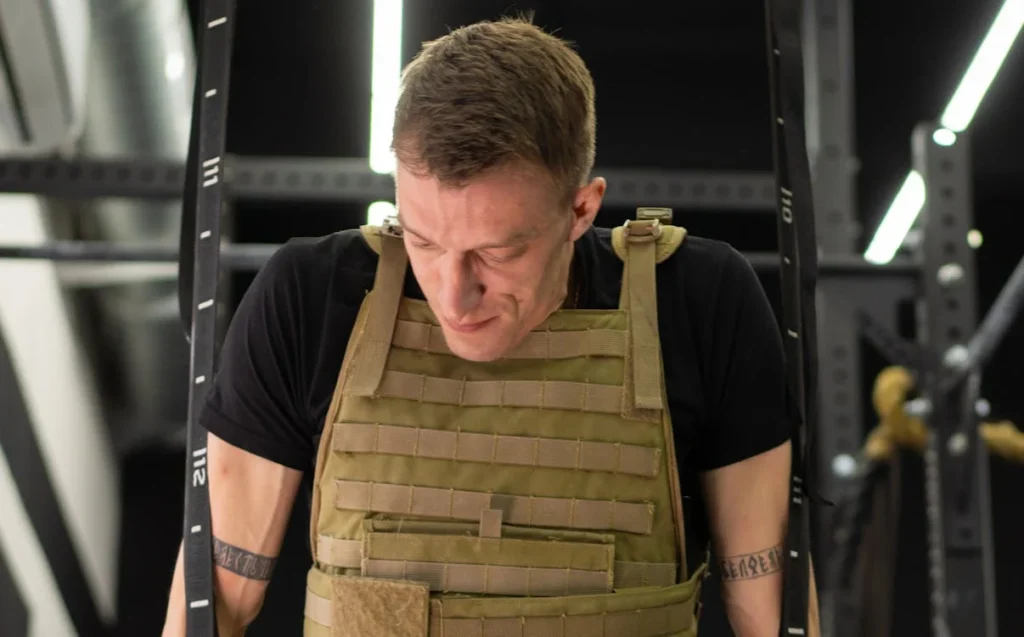
Choosing the right weighted vest can make a huge difference in how effective and comfortable your workouts are. When picking a weighted vest, you want to balance weight, fit, material, adjustability, and your fitness goals. First, think about the weight capacity you need. If you’re a beginner, it’s best to start with a lighter vest—somewhere around 5 to 10 pounds—so your body can adjust without strain. More advanced users or those doing heavy strength training might want a vest that can hold 20 pounds or more. Having the ability to adjust the weight by adding or removing plates or sandbags is a big plus because it lets you progress gradually.
Next, focus on the fit and sizing. A vest that fits snugly but comfortably is crucial to avoid chafing or bouncing during movement. Look for vests with adjustable straps or closures so you can customize the fit to your body shape. Some brands offer different size options, which is helpful if you want a more tailored fit. Materials matter too. Neoprene vests tend to be softer and flexible, great for comfort during long sessions. Cordura or nylon materials offer better durability, especially if you’re using the vest for outdoor workouts or more intense training.
Consider the design and how the weight is distributed. Some vests use small individual weights that sit evenly around your torso, which helps balance the load and maintain good posture. Others have larger weight packs that might shift around or cause discomfort. Reflective elements are a nice bonus if you plan to wear your vest outdoors, especially in low light.
Finally, think about your specific workout needs. If you do a lot of running or cardio, a lightweight and breathable vest with good ventilation is ideal. For strength training or functional workouts, a heavier vest with a sturdy design might be better. Budget is also a factor—weighted vests can range from affordable to quite pricey, so consider how often you’ll use it and how important features like durability and adjustability are to you.
By weighing these factors—literally and figuratively—you can find a weighted vest that fits your lifestyle, goals, and comfort preferences, making your workouts more challenging and effective without sacrificing ease of use.