
Aug
What is Leukemia?
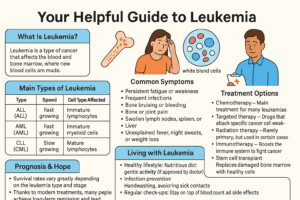
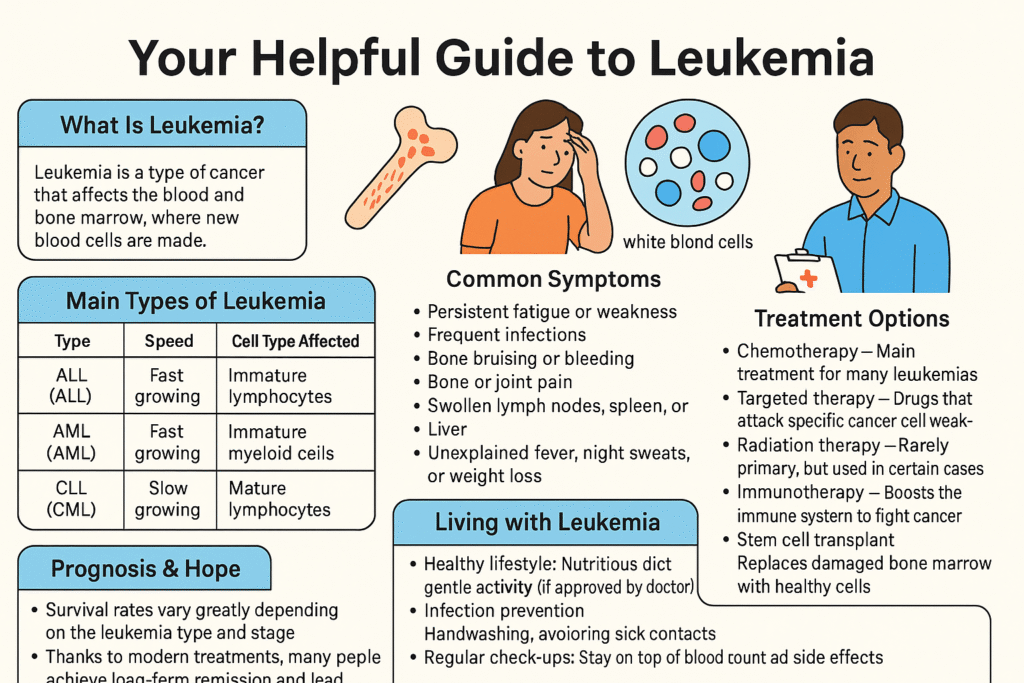
Leukemia is a type of cancer that affects white blood cells (WBCs). The term “leukemia” refers to cancers that attack white blood cells. How this cancer spreads depends on the type of leukemia and how aggressive it is.
Types of Blood Cells
There are mainly three types of cells in blood:
-
Red Blood Cells (RBCs) – carry oxygen throughout the body
-
White Blood Cells (WBCs) – help fight infections
-
Platelets – help blood clot
Leukemia generally refers to cancer of the WBCs.
Role of White Blood Cells
WBCs are an important part of the immune system. They protect the body from:
-
Bacteria
-
Viruses
-
Fungi
-
Abnormal cells
-
Harmful external substances
In leukemia, these white blood cells do not function normally. They divide very rapidly and gradually crowd out the normal cells in the blood.
What this article covers:
-
How leukemia develops
-
Symptoms
-
Types
-
Treatment methods
-
Survival rates
How does leukemia develop?
Leukemia begins in the bone marrow, a sponge-like tissue inside bones where blood cells are produced.
Blood cells develop from hematopoietic stem cells, which mature into two types of cells:
-
Myeloid cells – which become RBCs, platelets, and some types of WBCs (basophils, eosinophils, neutrophils)
-
Lymphoid cells – which become lymphocytes and natural killer cells
Normally, mature blood cells perform important functions:
-
RBCs carry oxygen to tissues and organs
-
WBCs fight infection
-
Platelets help blood clot
In leukemia, an abnormal stem cell in the bone marrow begins dividing uncontrollably. These abnormal cells, called leukemia cells, crowd out normal blood cells, leading to:
-
Less space for mature RBCs, WBCs, and platelets
-
Less oxygen delivery due to fewer RBCs
-
Weakened immunity due to fewer WBCs
-
Difficulty in blood clotting due to fewer platelets
How is leukemia classified?
-
By growth speed:
-
Acute leukemia: grows rapidly, symptoms appear within weeks, life-threatening, needs urgent treatment, common in children
-
Chronic leukemia: grows slowly, early symptoms often mild, cells mature slowly and may keep functioning somewhat, more common in adults
-
By cell origin:
-
Myeloid leukemia: arises from myeloid cells
-
Lymphocytic leukemia: arises from lymphoid cells
Main four types of leukemia:
-
Acute Myeloid Leukemia (AML)
-
Affects both children and adults
-
About 20,000 new cases per year in the US
-
5-year survival rate: 31.9%
-
-
Acute Lymphocytic Leukemia (ALL)
-
Mostly in children
-
About 6,000 new cases per year
-
5-year survival rate: 72%
-
-
Chronic Myeloid Leukemia (CML)
-
Mostly adults
-
About 9,000 new cases per year
-
5-year survival rate: 70%
-
-
Chronic Lymphocytic Leukemia (CLL)
-
Usually in people over 55
-
About 21,000 new cases per year
-
5-year survival rate: 88.5%
-
-
Hairy Cell Leukemia – a rare CLL variant with hairy appearance under microscope
Causes and risk factors:
Exact causes unknown, but risk factors include:
-
Family history of leukemia
-
Smoking (increases AML risk)
-
Genetic disorders like Down syndrome
-
Blood disorders such as myelodysplastic syndrome (“pre-leukemia”)
-
Previous cancer treatments (chemotherapy, radiation)
-
Exposure to high radiation levels
-
Contact with chemicals like benzene
Symptoms:
-
Excessive sweating, especially at night (night sweats)
-
Fatigue that doesn’t improve with rest
-
Unintended weight loss
-
Bone pain and tenderness
-
Painless swollen lymph nodes, especially neck and armpits
-
Enlarged liver or spleen
-
Red spots on skin (petechiae)
-
Easy bleeding or bruising
-
Fever or chills
-
Frequent infections
If leukemia spreads to organs like the central nervous system, symptoms may include:
-
Headache
-
Nausea and vomiting
-
Confusion
-
Muscle control loss
-
Seizures
Leukemia can spread to lungs, digestive system, heart, kidneys, testes depending on type and aggressiveness.
Diagnosis:
If symptoms or risk factors suggest leukemia, doctors perform:
-
Full medical history and physical exam
-
Blood tests including complete blood count (CBC) and cell morphology
-
Tissue biopsy from bone marrow or lymph nodes
-
Imaging tests (X-ray, ultrasound, CT, MRI, PET scan)
Bone marrow biopsy and aspiration are key for confirmation.
Staging:
Staging depends on how much cancer has spread and helps plan treatment. Different types use different staging criteria.
Monitoring:
Doctors monitor leukemia progression using:
-
Flow cytometry
-
Liver function tests
-
Lumbar puncture (spinal fluid exam)
-
Imaging tests
Treatment:
Depends on leukemia type, stage, overall health, and other conditions. Common treatments include:
-
Chemotherapy
-
Radiation therapy
-
Stem cell transplant (bone marrow transplant)
-
Immunotherapy
-
Targeted therapy (e.g., imatinib/Gleevec)
Long-term outlook:
Early treatment improves recovery. Age, genetics, previous blood disorders affect prognosis.
Survival rates by type:
| Type | Typical Age | 5-year Survival Rate |
|---|---|---|
| AML | Adults | 31.9% |
| ALL | Children | 72% |
| CLL | 55+ years | 88.5% |
| CML | 55+ years | 70% |
| CMML | 60+ years | CMML-1: 20%, CMML-2: 10% |
Death rates from leukemia are declining by 0.7% per year (2012–2021). Overall 5-year survival rate (2014–2020) was 67%.
FAQs:
-
Can leukemia be prevented?
Risk can be reduced by not smoking, maintaining healthy weight, avoiding benzene or formaldehyde exposure. -
Can early detection cure leukemia?
Yes, early detection improves chances of cure. -
Most aggressive leukemia?
Acute Myeloid Leukemia (AML). -
Questions to ask your doctor:
-
What type of leukemia do I have?
-
What stage is it at? Has it spread?
-
What symptoms to expect?
-
What treatment options are there?
-
What side effects might occur?
-
Should I participate in clinical trials?
-
How will this affect my daily life?
-
Can the cancer go into remission after treatment?
-
Are there support groups available?
-
Leukemia – Symptoms and causes